


In modern aesthetic medicine, eyelid surgery is not merely about creating a double eyelid crease; it also requires precision, safety, and a thorough understanding of periocular anatomy. With the advancement of aesthetic medicine, microsurgical eyelid surgery has become a preferred solution for many clients due to its ability to create natural-looking eyelid creases, minimize invasiveness, and shorten recovery time. From the perspective of an ophthalmic aesthetic surgeon, the following article will help you better understand microsurgical eyelid surgery, including the procedure, postoperative care, and important considerations to achieve safe and long-lasting aesthetic results.
What Is Microsurgical Eyelid Surgery?

Microsurgical eyelid surgery is an upper eyelid cosmetic procedure that applies microsurgical techniques to create the eyelid crease. Instead of conventional manual manipulation, the surgeon uses specialized instruments and delicate dissection techniques to precisely remove excess skin and fat and form a new eyelid crease with millimeter-level accuracy.
From a medical standpoint, microsurgical eyelid surgery belongs to the category of upper blepharoplasty, but it has been refined to maximally preserve the natural anatomical structures of the eyelid. The goal of this method is not only aesthetic improvement but also long-term stability, minimal scarring, and reduced risk of complications.
Who Should Undergo Microsurgical Eyelid Surgery?

During clinical examination, I often recommend microsurgical eyelid surgery for individuals with upper eyelid skin laxity, prominent eyelid fat pads causing heaviness and reduced eye openness, or those with single eyelids, inner double eyelids, or poorly defined creases. Additionally, clients who have previously undergone eyelid surgery with unsatisfactory results—such as asymmetrical eyelids, eyelid retraction, or visible scarring—may also benefit from revision using microsurgical techniques.
However, not everyone is immediately suitable for surgery. Clients must undergo a comprehensive evaluation of eye conditions, overall health, and any underlying medical conditions to ensure absolute safety during the procedure.
Differences Between Microsurgical Eyelid Surgery and Traditional Eyelid Surgery
| Comparison Criteria | Microsurgical Eyelid Surgery | Traditional Eyelid Surgery |
|---|---|---|
| Surgical technique | Application of microsurgical techniques with delicate dissection and precise tissue control | Manual manipulation with a wider range of intervention |
| Precision | High, precise removal of excess skin and fat down to the millimeter | Highly dependent on the surgeon’s experience |
| Degree of tissue trauma | Minimizes damage to blood vessels and surrounding tissues | Higher risk of tissue injury if technique is not optimal |
| Swelling and bruising | Minimal swelling, mild bruising | More swelling and bruising, which may last longer |
| Recovery time | Fast recovery, early eyelid stabilization | Longer recovery time, requiring more time for eyelid stabilization |
| Postoperative eyelid crease | Soft, natural, and harmonious with the face | May appear stiff and less natural if the technique is not optimal |
| Risk of scarring | Low, with thin and faint scars | Higher risk of visible scarring if postoperative care is inadequate |
| Suitable candidates | Clients with high aesthetic and safety requirements | Suitable for simpler cases |
Microsurgical Eye Aesthetic Services at Gangwhoo Cosmetic Hospital
At Gangwhoo Cosmetic Hospital, microsurgical techniques are flexibly applied across eye aesthetic services to personalize treatment plans for each client. Depending on eyelid skin condition, excess fat volume, orbital structure, and aesthetic goals, the surgeon will recommend the most appropriate method to ensure medical safety and long-term aesthetic outcomes.
1. Korean Eyelid Surgery

Korean eyelid surgery is popular among younger clients due to its ability to create soft, natural-looking eyelid creases that harmonize with facial features. Microsurgical techniques allow gentle handling of excess skin and fat while creating a well-defined crease without visible signs of intervention. Postoperatively, the eyelids stabilize quickly, making it suitable for single eyelids, inner double eyelids, or poorly defined creases with minimal skin laxity.
2. Eyelid Surgery (Eyelid)
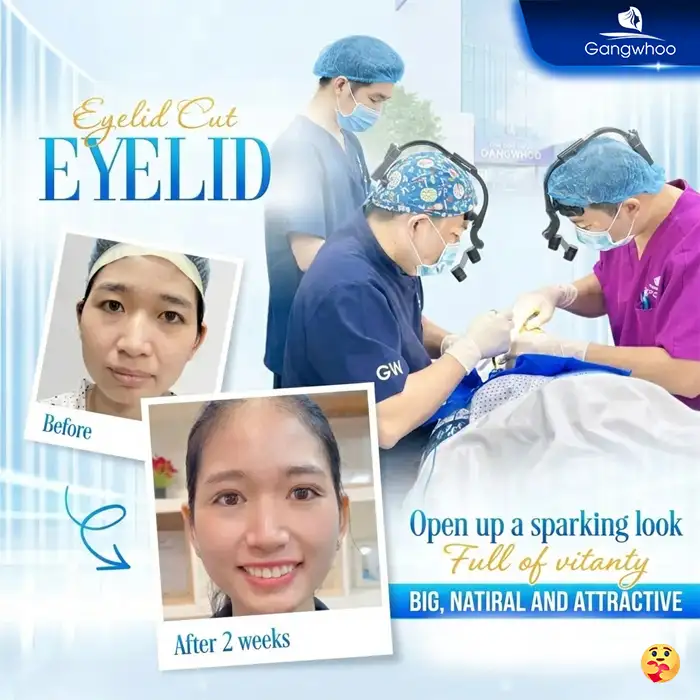
Eyelid surgery is indicated for clients with significant upper eyelid skin laxity, thick fat pads, or faded previous creases. This method focuses on creating a clear, durable eyelid crease while alleviating eyelid heaviness and enhancing eye openness. With microsurgical application, tissue dissection and handling are precisely controlled, reducing swelling, bruising, and postoperative complications.
3. 4-in-1 Plasma Eyelid Surgery

4-in-1 Plasma eyelid surgery combines microsurgical techniques with advanced Plasma technology, offering multiple benefits in a single procedure. It creates the eyelid crease, removes excess skin and fat, supports hemostasis, and accelerates recovery. Thanks to precise and minimally invasive action, postoperative swelling is significantly reduced, allowing clients to return to normal activities sooner.
4. Perfect Eyelid Surgery
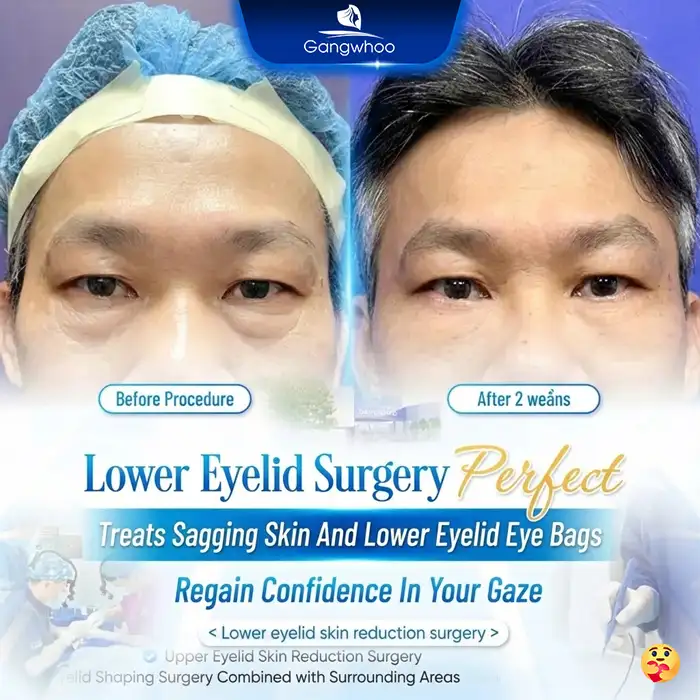
Perfect eyelid surgery is designed to achieve comprehensive balance between the eyelids and overall facial harmony. Prior to surgery, the surgeon carefully analyzes facial proportions, eye shape, and ideal crease height for each client. Microsurgical techniques ensure precise, soft, and natural crease formation, delivering harmonious and long-lasting aesthetic results.
5. Revision of Failed Eyelid Surgery
Revision eyelid surgery is a highly specialized service for cases with complications such as asymmetry, eyelid retraction, poor scarring, or uneven creases following previous surgery. At Gangwhoo, microsurgical techniques enable precise intervention in damaged areas, correcting eyelid structure and abnormalities safely. Thorough examination and performance by a specialized surgeon are essential to restore both function and aesthetics.
Microsurgical Eyelid Surgery Procedure
At Gangwhoo Cosmetic Hospital, microsurgical eyelid surgery is performed according to strict medical standards under the direct care of specialized aesthetic eye surgeons. Microsurgical techniques are combined with Plasma scalpel technology and appropriate local anesthesia to ensure safety, minimize pain, and shorten recovery time.

- Step 1: Specialized examination and consultation
The surgeon evaluates eyelid laxity, excess fat, skin elasticity, and orbital anatomy. Based on this assessment, an appropriate microsurgical eyelid technique is recommended, and a personalized eyelid crease is designed to harmonize with facial features and minimize complication risks.
- Step 2: Measurement and eyelid crease design
The eyelid crease is carefully measured and marked according to anatomical landmarks and facial proportions, helping prevent excessively high creases, eyelid retraction, or postoperative asymmetry.
- Step 3: Local anesthesia with Lidocaine
Local anesthesia using Lidocaine is administered. Lidocaine provides rapid onset, stable duration, and low irritation, ensuring the client experiences no pain during the procedure and allowing precise microsurgical manipulation.
- Step 4: Microsurgical eyelid surgery combined with Plasma scalpel
After anesthesia takes effect, the surgeon removes excess skin and fat using microsurgical techniques. Plasma technology enables simultaneous cutting and coagulation, reducing bleeding, tissue trauma, and postoperative swelling, resulting in faster recovery and less bruising than traditional methods.
- Step 5: Eyelid crease formation and closure with specialized aesthetic sutures
A new eyelid crease is created according to the initial design, and the incision is closed with fine aesthetic sutures to minimize scarring and achieve a soft, natural result.
- Step 6: Postoperative monitoring and care instructions
After surgery, the client is monitored at the hospital and provided with detailed home care instructions to promote stabilization, reduce complications, and optimize aesthetic outcomes.
Eyelid Surgery Price List at Gangwhoo Cosmetic Hospital
The cost of eyelid surgery and eye aesthetic services at Gangwhoo is transparent and tailored to each specific condition. Actual prices may vary depending on skin laxity, fat volume, and the technique indicated. Clients are advised to undergo direct consultation for accurate assessment.
| SERVICE NAME | SERVICE PRICE (USD) |
|---|---|
| Upper eyelid excess skin surgery (Korean Eyelid) | $440 |
| Upper eyelid excess skin surgery (Dove Eyes Eyelid) | $660 |
| Upper eyelid excess skin surgery (Permanent Eyelid) | $880 |
| Upper eyelid excess skin surgery (Perfect Eyelid) | $1,760 |
| Upper eyelid excess skin surgery (Eyelid Technique) | $572 |
| Upper eyelid excess skin surgery (4-in-1 Eyelid) | $880 |
| Upper eyelid excess skin removal | $528 |
| Plasma Therapy | $220 |
| Lower eyelid excess skin surgery (Perfect Lower Eyelid) | $880 |
| Lower eyelid fat removal surgery (Endoscopic eye fat removal) | $308 |
| Sub-brow lower eyelid skin excision surgery (Endoscopic brow lift) | $880 |
| Sub-brow lower eyelid skin excision (Upper eyelid skin removal via brow + fat removal) | $660 |
| Eyelid reshaping combined with surrounding structures (Mini inner corner opening) | $440 |
| Eyelid reshaping combined with surrounding structures (Inner canthoplasty) | $880 |
| Eyelid reshaping combined with surrounding structures (Outer canthoplasty) | $880 |
| Levator muscle shortening and folding for ptosis correction (Single-eye ptosis correction) | $880 |
| Levator muscle shortening and folding for ptosis correction (Uneven eyelid correction) | $880 |
| Upper eyelid excess skin surgery (Eye enlargement surgery) | $1,320 |
| Autologous dermal fat grafting for sunken eyes (Upper/Lower eyelid fat grafting – liquid fat) | $660 |
| Autologous dermal fat grafting for sunken eyes (Mega dermal graft – upper/lower eyelid) | $880 |
Gangwhoo Cosmetic Hospital – A High-Quality Eyelid Surgery Address
Gangwhoo Cosmetic Hospital is a specialized center in aesthetic surgery, with eye aesthetics identified as a key strength. All eyelid surgery services at Gangwhoo are built on a solid medical foundation, prioritizing safety and long-term aesthetic effectiveness.
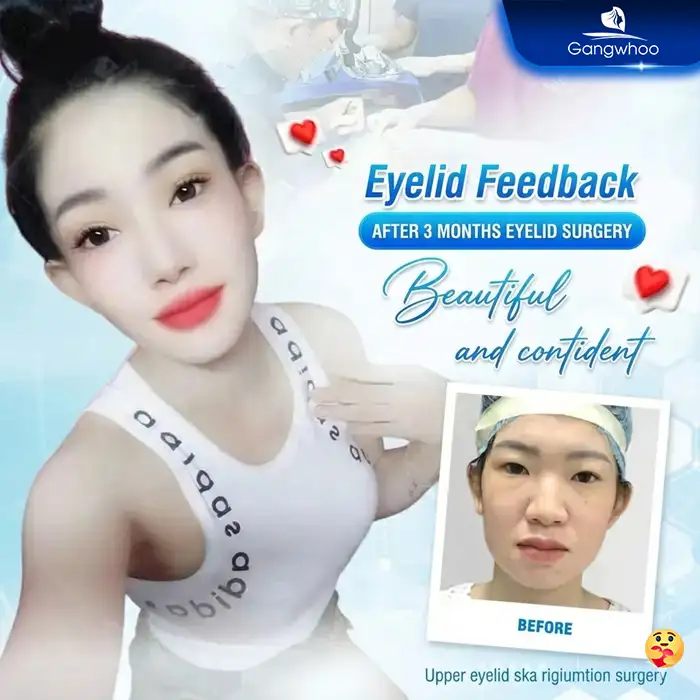
Eye aesthetic procedures are directly performed and monitored by specialized aesthetic surgeons with extensive experience in eyelid surgery. Surgeons are involved in examination, consultation, and personalized treatment planning to minimize risks and complications.
The operating rooms at Gangwhoo Cosmetic Hospital are designed as closed sterile systems, meeting strict surgical standards. This sterile environment reduces infection risk and facilitates precise and safe microsurgical procedures.
Gangwhoo also invests heavily in modern technology for eye aesthetics. Microsurgical techniques combined with Plasma scalpel technology allow precise cutting and hemostasis, minimizing tissue damage and postoperative swelling. As a result, recovery time is significantly shortened, and eyelid creases stabilize earlier with high aesthetic quality.
Additionally, Gangwhoo Cosmetic Hospital is equipped with medical oxygen chambers to support clients during the postoperative period. Pure oxygen supply enhances blood circulation, accelerates wound healing, and reduces postoperative fatigue, contributing to improved recovery quality and overall experience.
With the integrated combination of highly skilled surgeons, advanced technology, sterile operating systems, and medical oxygen support, Gangwhoo Cosmetic Hospital aims to deliver safe, natural, and long-lasting eye aesthetic results that meet the growing expectations of clients.
Postoperative Care Guidelines for Fast Recovery After Eyelid Surgery
Postoperative care is a key factor determining recovery speed and long-term aesthetic results. Even with microsurgical techniques and advanced technology, strict adherence to postoperative instructions is essential.
Eyelid care during the first 24–48 hours
Mild swelling and tightness are normal. Cold compresses as instructed help reduce swelling and bruising. Keep the area dry, avoid water and dust exposure, rest adequately, and avoid bending or strenuous activity.
Wound hygiene and daily eyelid care
Clean the eyelids with prescribed antiseptic solutions. Do not remove scabs or apply force to sutures. Avoid rubbing the eyes or touching the surgical area with unclean hands.
Medication use as prescribed
Take medications exactly as directed. Do not stop or add medications without medical advice. Contact the clinic if abnormal symptoms such as increasing pain, prolonged redness, or discharge occur.
Lifestyle and diet
Avoid foods that may increase scarring or inflammation such as beef, seafood, sticky rice, and water spinach initially. Drink sufficient water, consume vitamins and protein, avoid staying up late, excessive screen time, and eye makeup until stabilized.
Recovery time and follow-up
Swelling typically subsides after 7–10 days, with gradual stabilization over subsequent weeks. Full natural results are usually achieved after 1–3 months, depending on individual factors. Scheduled follow-ups help ensure optimal outcomes.
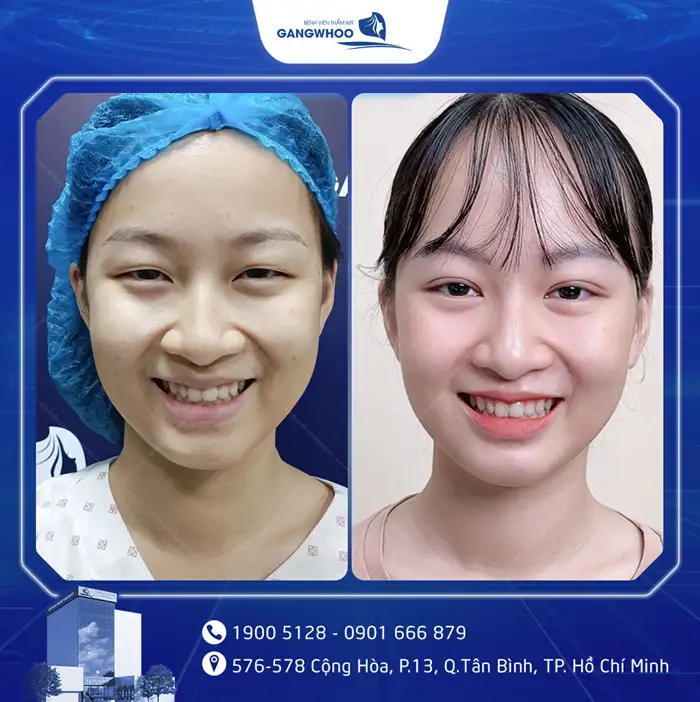
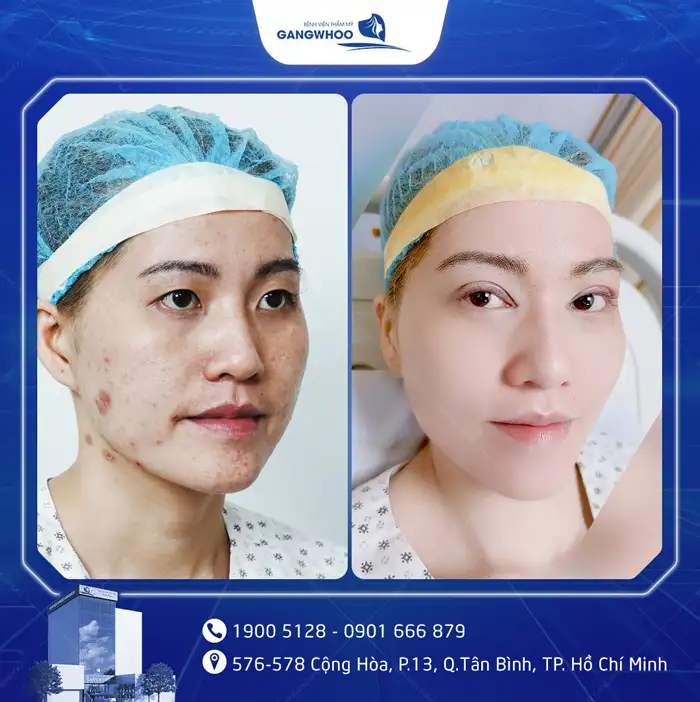

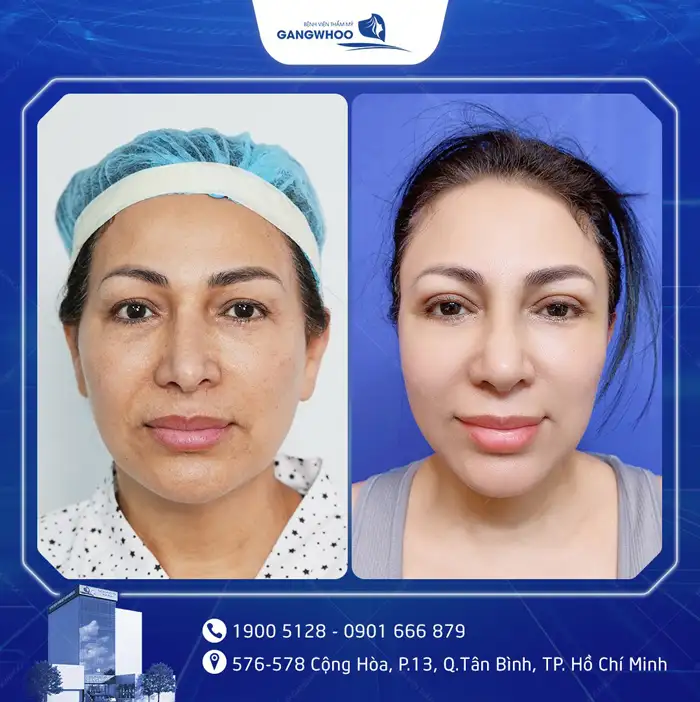
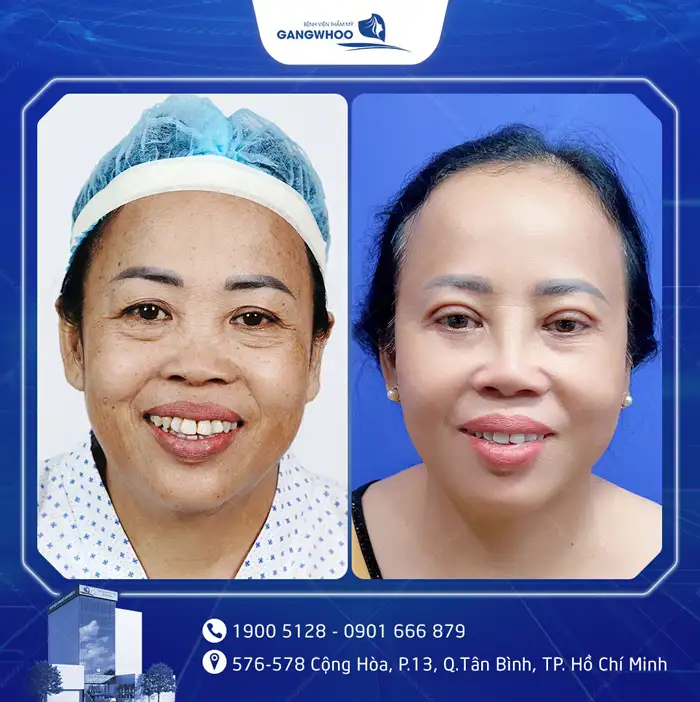
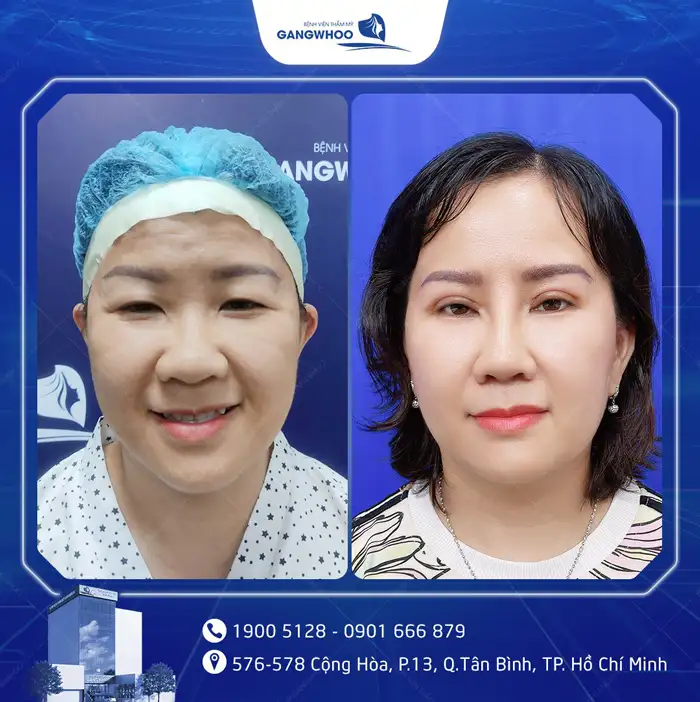
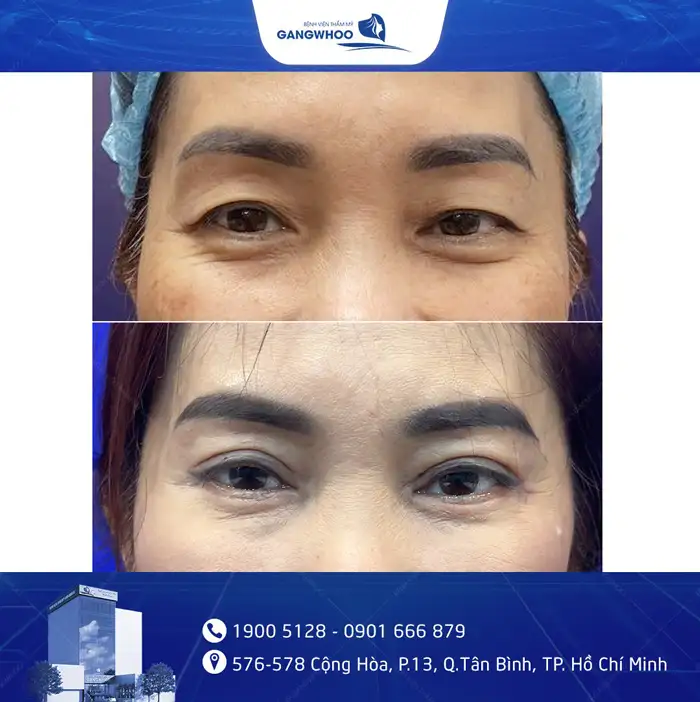
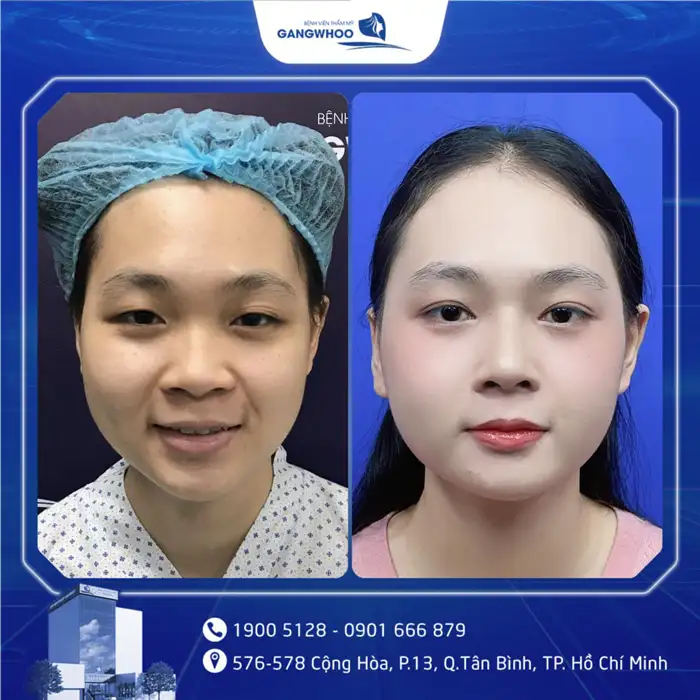
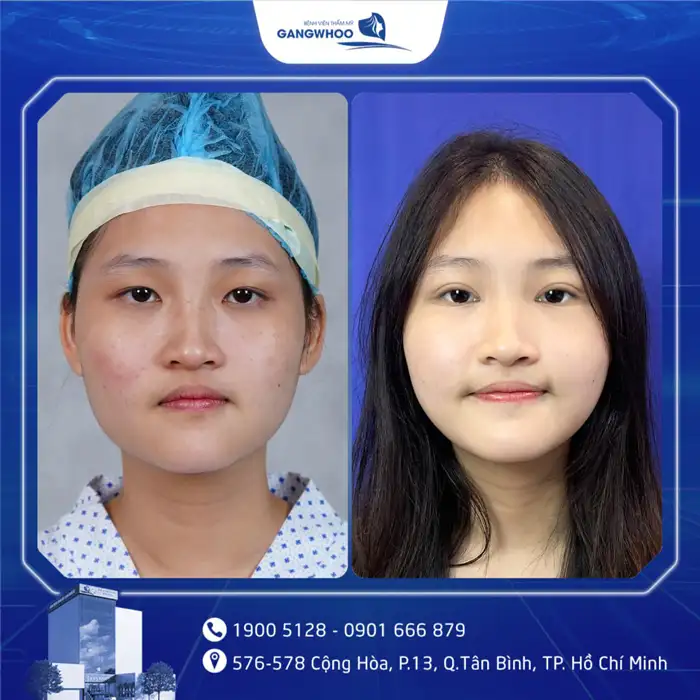
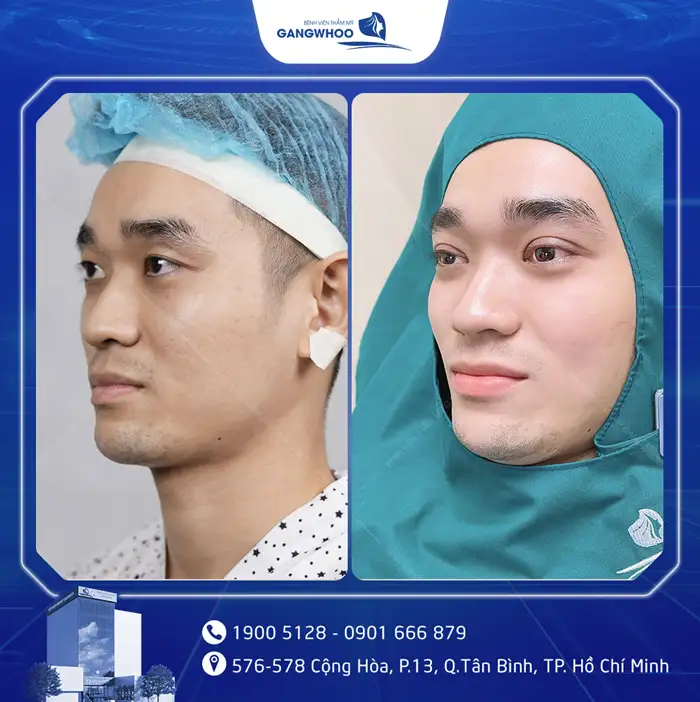
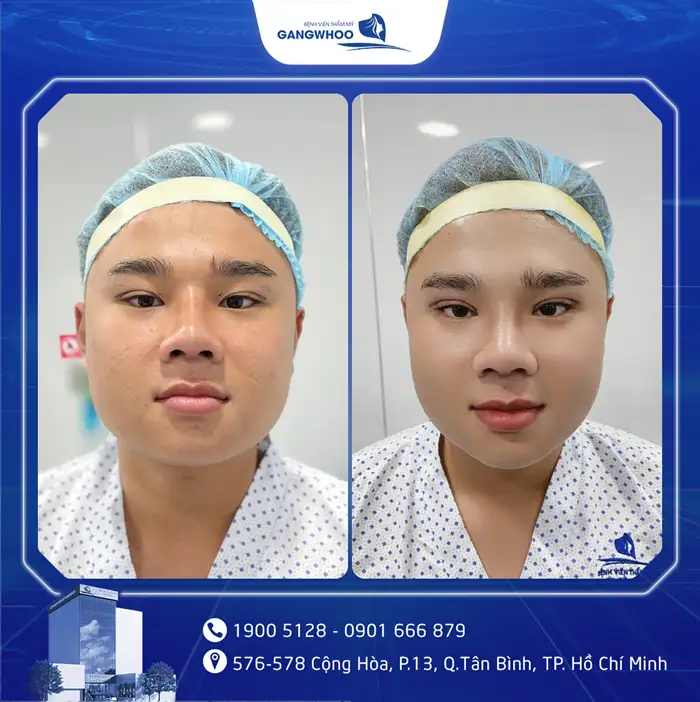
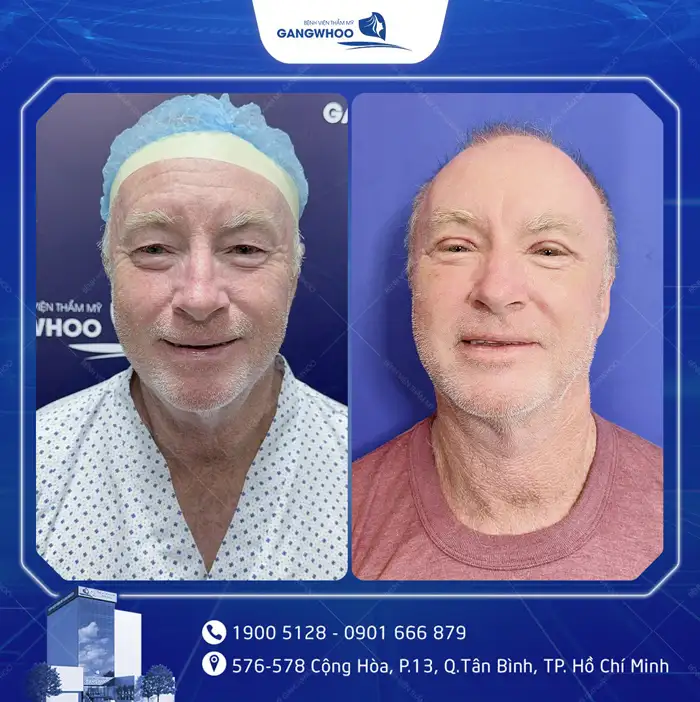
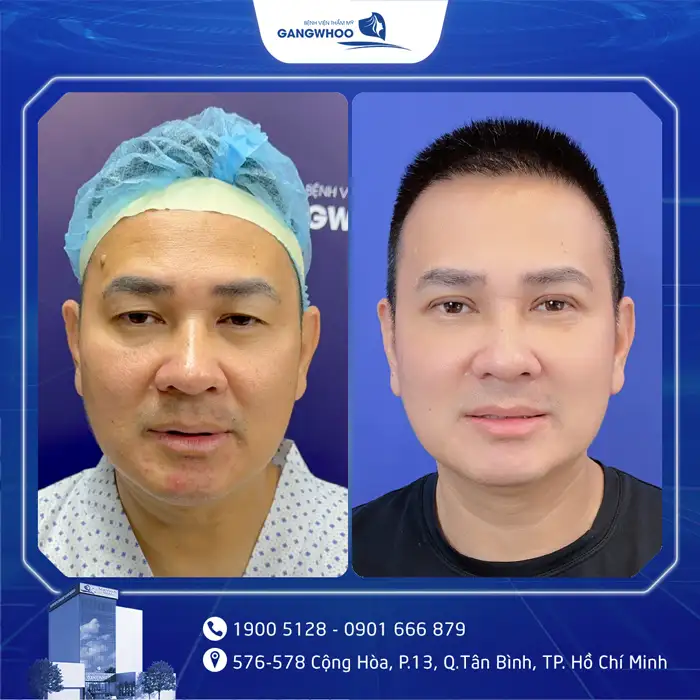
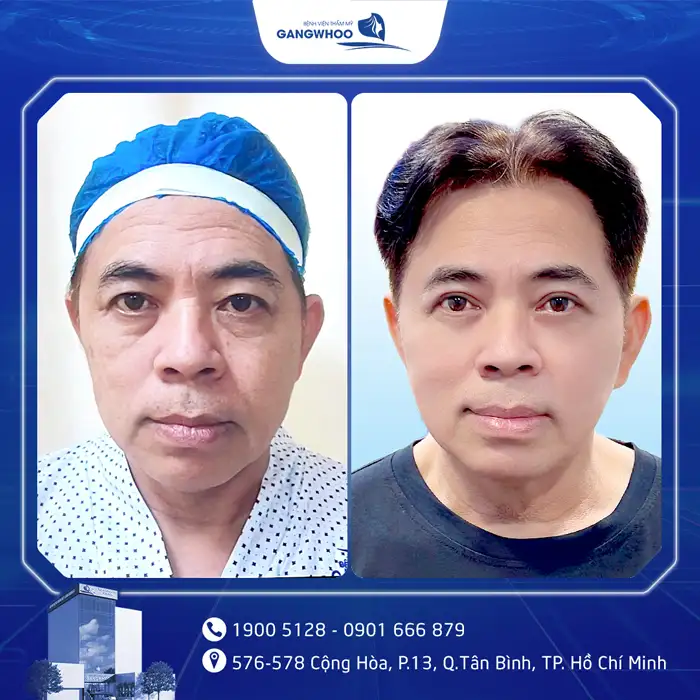
Eyelid Surgery Results for Male Clients at Gangwhoo Cosmetic Hospital
Video of Clients Undergoing Eyelid Surgery at Gangwhoo Cosmetic Hospital
Answers to Some Frequently Asked Questions About Microsurgical Eyelid Surgery
During consultation and postoperative follow-up, these are the questions that clients most frequently ask after undergoing microsurgical eyelid surgery.
1. How Long Should Beef Be Avoided After Eyelid Surgery?
After eyelid surgery, doctors typically recommend that clients avoid beef for approximately the first 2–4 weeks. From a medical perspective, beef contains a high protein content and may stimulate excessive fibroblast proliferation during the wound-healing phase. In some sensitive individuals, this can cause the incision to darken more easily, thereby increasing the risk of hyperpigmented or aesthetically unfavorable scarring.
The specific avoidance period may vary depending on each individual’s healing rate. Once the incision has dried, the eyelids have stabilized, and there are no signs of inflammation, clients may gradually return to a normal diet as guided by their doctor.
2. What Should Be Done If Eyelid Retraction Occurs After Eyelid Surgery?
Eyelid retraction after eyelid surgery is an undesirable condition that may be related to excessive skin removal, injury to the levator muscle, or scar contracture during the healing process. When signs such as abnormally wide eye opening, difficulty closing the eyes, or persistent dryness and irritation appear, clients should undergo early examination by an ophthalmic plastic surgery specialist.
Clients should absolutely avoid self-massage, pulling on the eyelids, or using folk remedies at home, as these may worsen the condition. Depending on the cause and severity, the doctor may recommend observation, medical treatment, or corrective intervention using microsurgical techniques when necessary.
3. How Long Does It Take for Eyelid Surgery to Heal?
The recovery time after microsurgical eyelid surgery typically progresses in stages. During the first 7–10 days, swelling and bruising decrease significantly, allowing clients to resume light daily activities and work. After approximately 2–4 weeks, the eyelids gradually become softer and begin to stabilize in shape.
In general, the eyelid crease achieves a fully natural and stable appearance after 1–3 months, depending on individual physiology, surgical technique, and postoperative care. Attending follow-up appointments as scheduled helps the doctor accurately assess the healing progress and ensure long-term aesthetic results.
Overall, microsurgical eyelid surgery is a modern eyelid-shaping method that delivers high aesthetic effectiveness when performed with proper technique by an experienced specialist. Choosing a reputable facility, adhering to standardized medical procedures, and following correct postoperative care instructions will help the eyelid crease stabilize quickly, look natural, and maintain long-lasting results. If you are interested in eyelid surgery and would like detailed consultation, please visit Gangwhoo Cosmetic Hospital directly for specialist evaluation and a treatment plan tailored to your eye condition.
