


Orthodontic braces are one of the most popular orthodontic treatments today, effectively correcting protruding teeth, underbites, misaligned teeth, crooked teeth, and malocclusion. In addition to improving aesthetics, braces also optimize chewing function and protect long-term oral health. At Gangwhoo Cosmetic Hospital, Korean-standard orthodontic braces services are developed based on advanced technology, safe sterile protocols, and scientifically designed treatment plans, delivering sustainable results and beautifully balanced smiles tailored to each client. Read the article below for more details!
1. What Is Orthodontic Braces Treatment?
Orthodontic braces treatment is a specialty within dentistry that uses specialized orthodontic appliances to apply force to the teeth, gradually moving them into their proper positions on the dental arch. The goal of this method is not only to straighten teeth but also to create an ideal bite, balance chewing function, reduce stress on the temporomandibular joint, and enhance smile aesthetics.
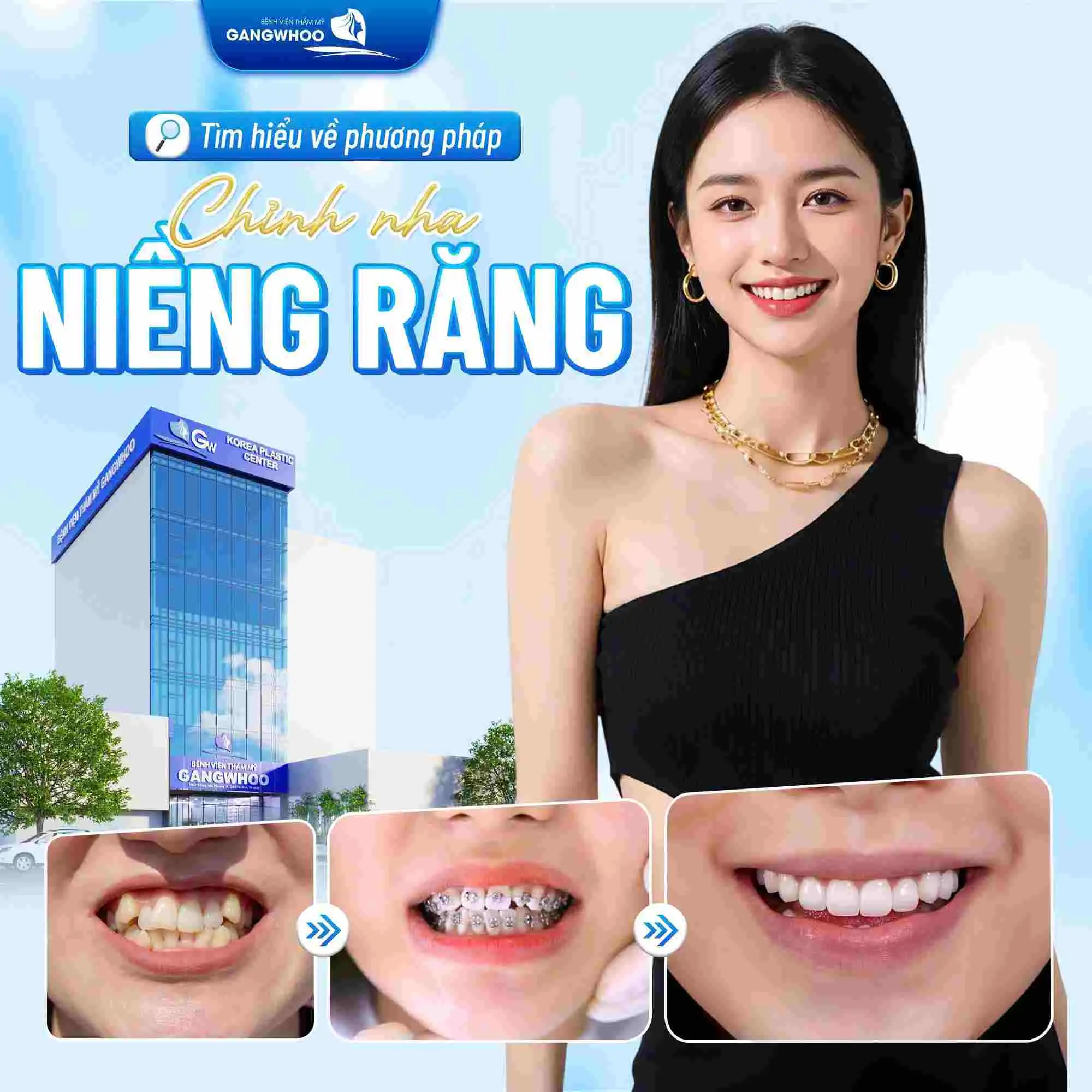
In principle, orthodontic appliances generate continuous yet gentle force on the periodontal ligament system. This force gradually moves the teeth while the alveolar bone remodels in the appropriate direction. As a result, the teeth are aligned into the correct positions without damaging the hard and soft tissues surrounding them.
Braces are commonly recommended for cases such as protrusion, underbite, severe misalignment, crowding, spacing, malocclusion, or facial aesthetic improvement. This is a long-term and highly effective solution suitable for a wide range of ages, from children to adults.
2. Popular Orthodontic Braces Methods Today
To meet diverse needs in aesthetics and budget, orthodontists currently offer various orthodontic appliances. Each method has its own advantages and is indicated based on the patient’s dental and jaw conditions.
2.1. Traditional Metal Braces
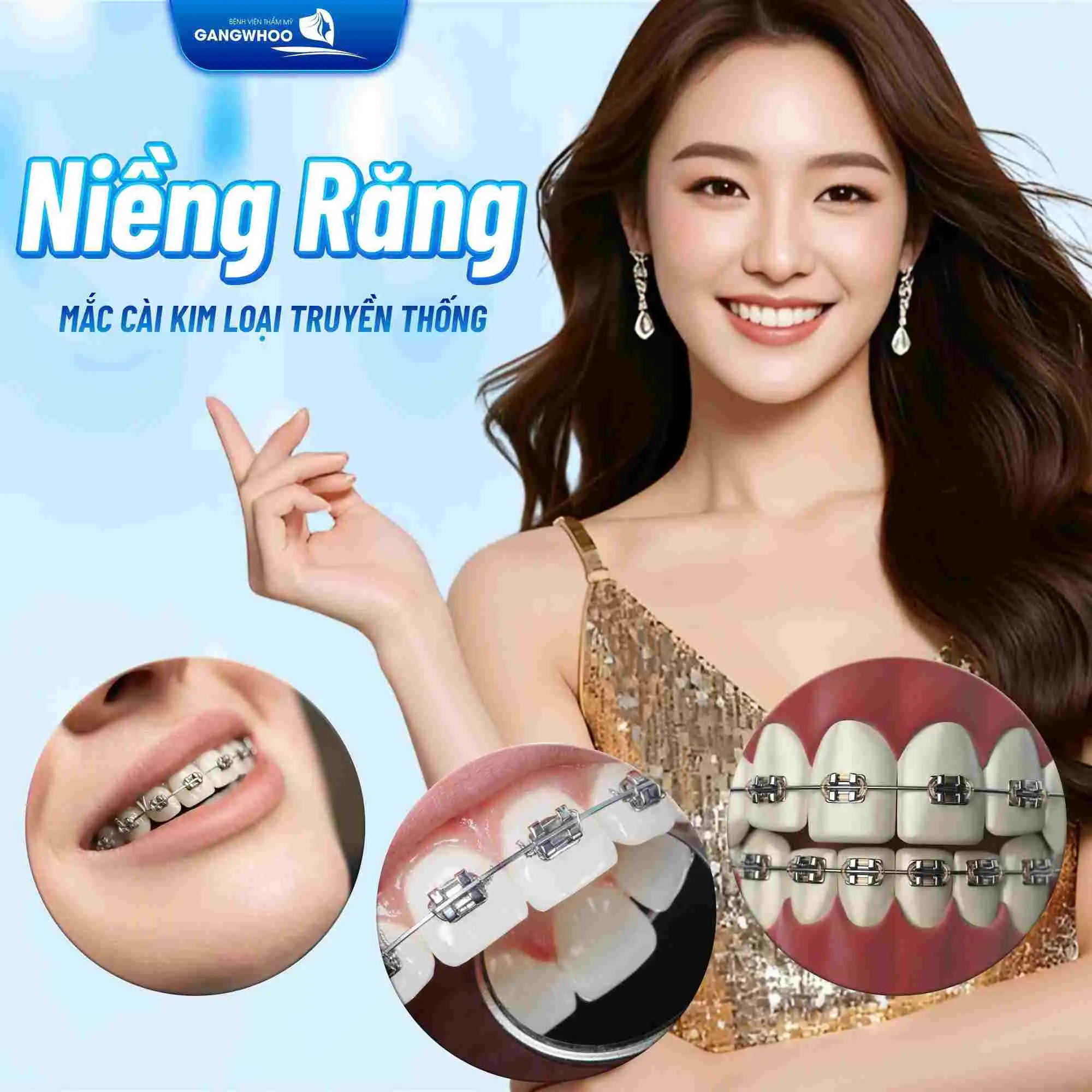
This is the oldest orthodontic method and remains widely used due to its strong effectiveness in correcting severe misalignments. Metal brackets combined with archwires provide stable force, allowing teeth to move quickly and accurately. Although less aesthetic than other options, it is cost-effective and offers excellent force control, making it a preferred choice for many patients.
2.2. Self-Ligating Braces
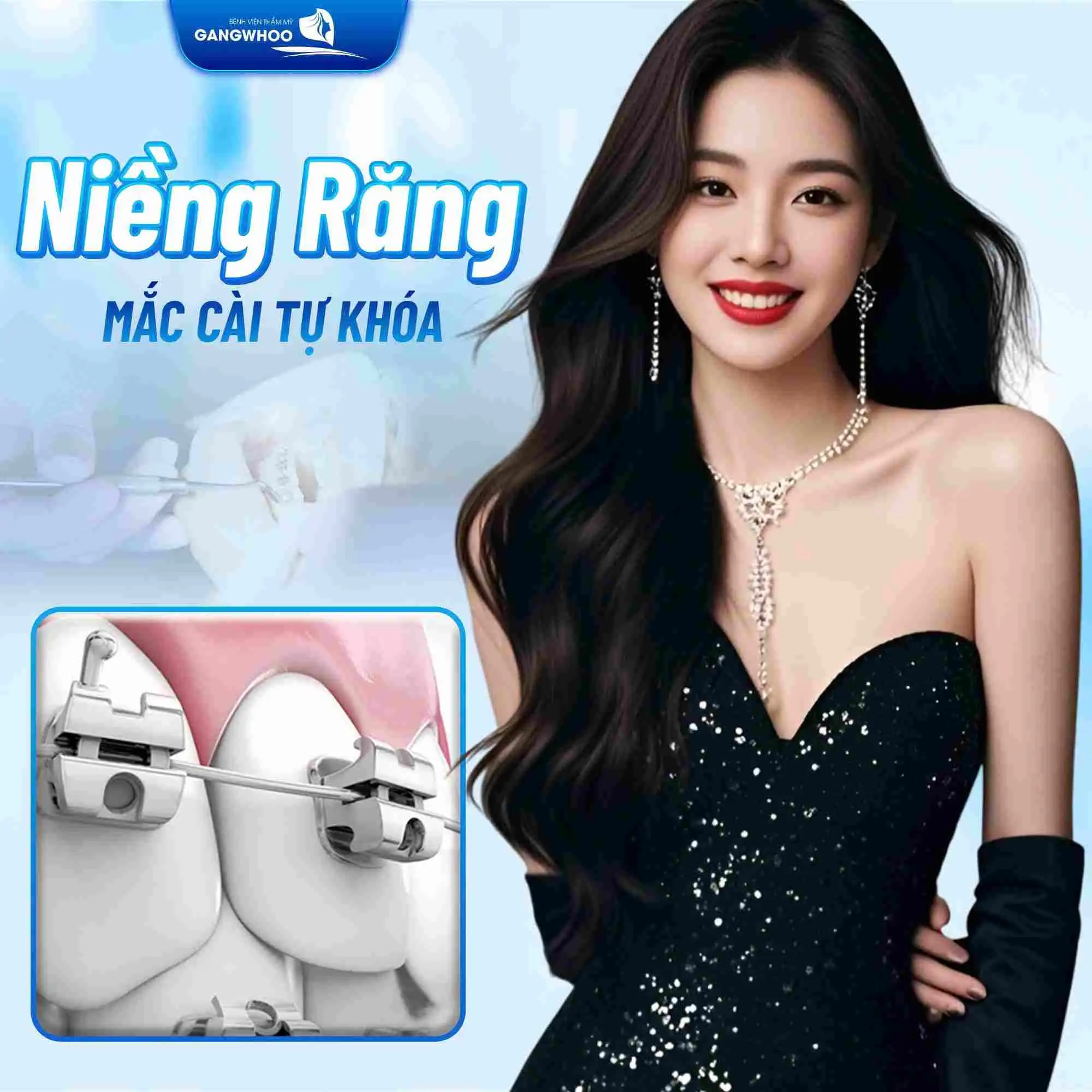
Unlike traditional braces, self-ligating brackets use a sliding mechanism to secure the archwire without elastic ligatures. This design reduces friction, minimizes discomfort, allows faster tooth movement, and improves oral hygiene. It is an ideal option for patients seeking shorter treatment times while maintaining excellent results.
2.3. Aesthetic Ceramic Braces
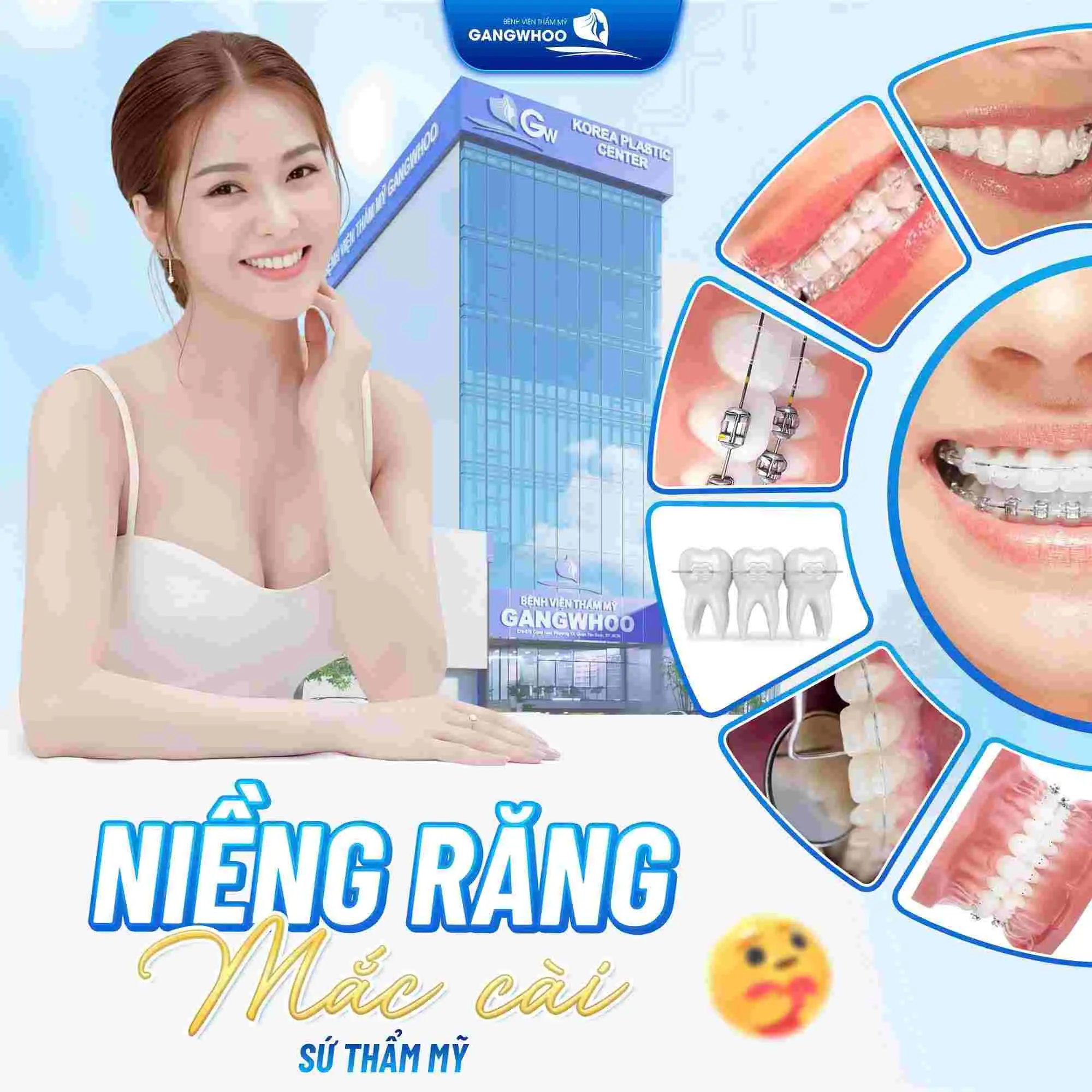
Ceramic braces are an excellent choice for patients who prioritize discretion during orthodontic treatment. Made from high-quality ceramic materials that closely match the natural tooth color, they significantly reduce visibility when speaking or smiling. Although the force generated may not be as strong as metal braces, modern ceramic braces still provide highly effective orthodontic results, particularly for mild to moderate misalignments.
Compared to metal brackets, ceramic braces are less likely to irritate the lips and cheeks, offering greater comfort during long-term wear. Therefore, they provide an aesthetic yet stable treatment option.
2.4. Invisalign Clear Aligners
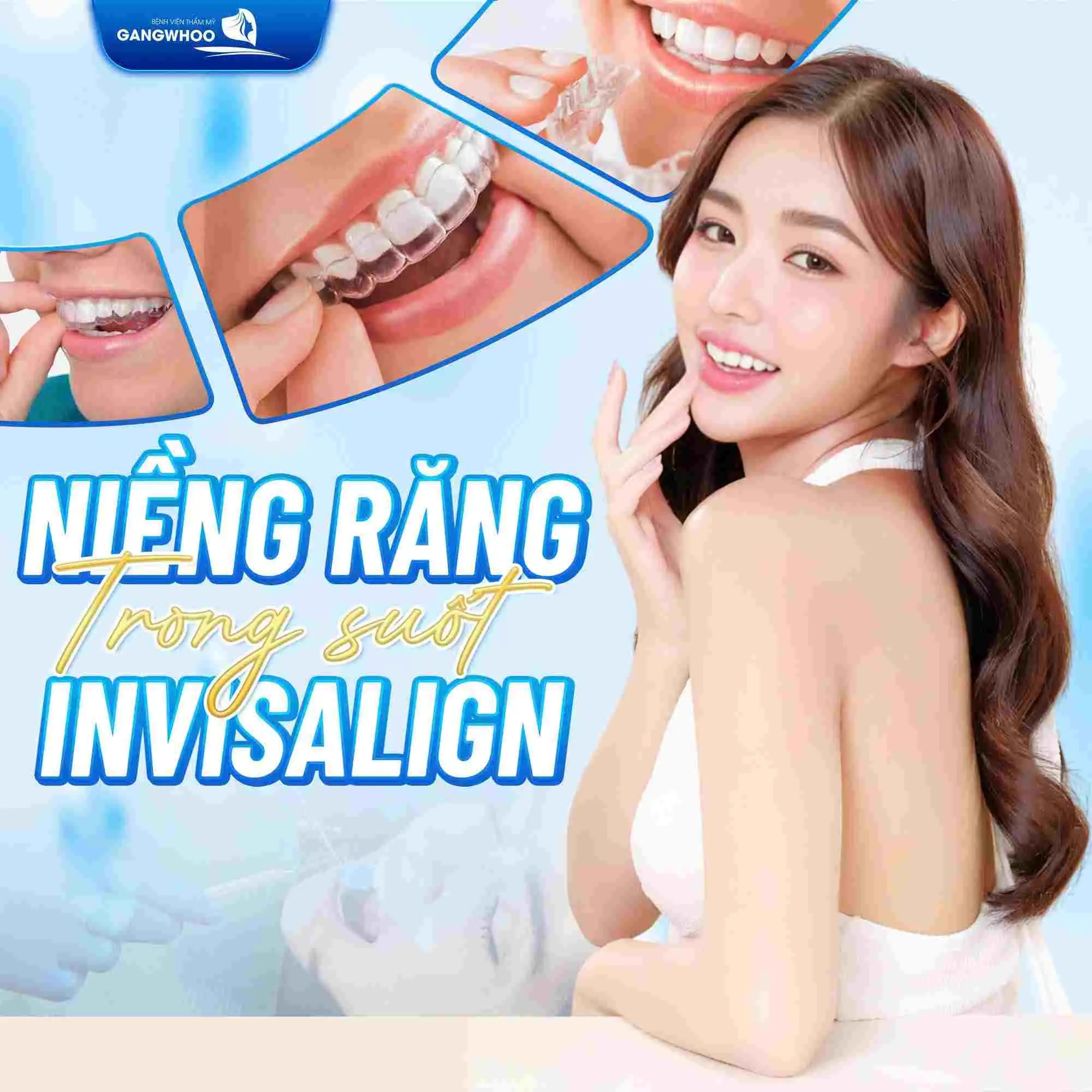
Invisalign is considered the most advanced orthodontic solution, utilizing proprietary clear aligner technology from the United States. Each aligner is custom-fabricated based on a 3D simulation of the patient’s dental structure, delivering gentle yet precise tooth movement.
The greatest advantage of Invisalign is its removability, making eating and oral hygiene much more convenient. Its near-invisible appearance allows the aligners to fit closely against the teeth, making them ideal for individuals whose work requires frequent communication.
At Gangwhoo Cosmetic Hospital, Invisalign treatment is combined with iTero 5D scanning technology, allowing patients to preview treatment outcomes and better visualize their orthodontic journey.
3. Advantages of Orthodontic Braces Treatment at Gangwhoo Cosmetic Hospital
Choosing the right orthodontic provider directly impacts treatment duration, stability, and the safety of the teeth and jawbone. Gangwhoo offers a dental system that meets international cosmetic hospital standards, providing numerous outstanding benefits.
3.1. Fast and Safe Correction of Dental Misalignments
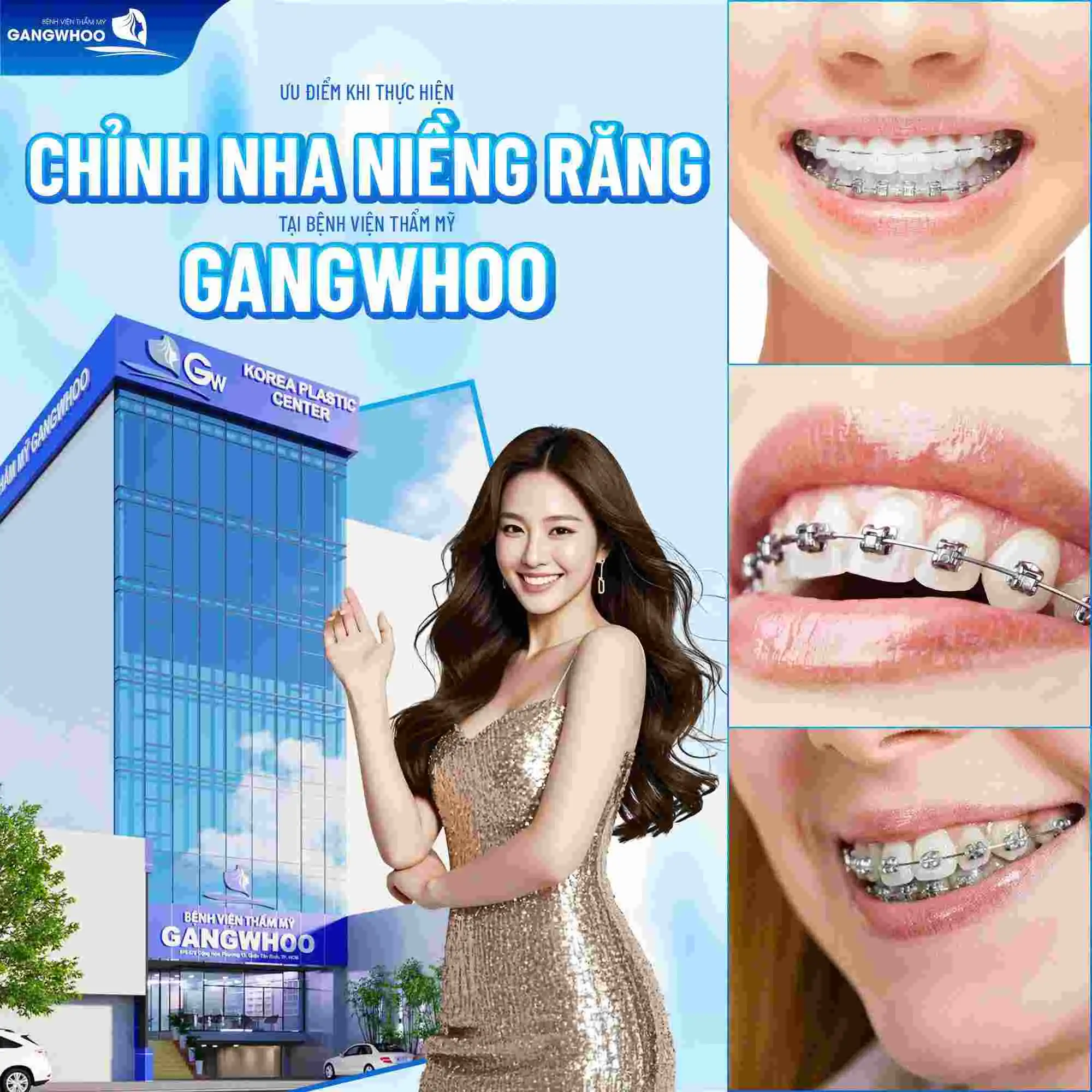
At Gangwhoo, treatment plans are personalized for each patient based on CT ConeBeam 3D imaging, jawbone simulations, and actual levels of misalignment. Orthodontic specialists carefully determine the appropriate force levels to ensure safe tooth movement while minimizing pain and soft tissue irritation.
3.2. Reduced Stress on the Temporomandibular Joint
Long-standing dental misalignments can place excessive stress on the temporomandibular joint, causing discomfort during chewing or mouth opening. Proper orthodontic treatment at Gangwhoo restores an ideal bite, reducing strain on the jaw muscles and joints while improving natural chewing function.
3.3. Enhanced Aesthetics – Creating a Beautiful, Proportionate Smile
A beautiful smile depends not only on straight teeth but also on lip balance, facial profile, and jawbone structure. Orthodontists at Gangwhoo analyze the entire facial structure to create a treatment plan that delivers the most harmonious, balanced, and refined smile possible.
3.4. No Pain, No Swelling, No Complications
By utilizing next-generation orthodontic systems and medical-grade sterilization protocols, the orthodontic process minimizes discomfort and irritation. Patients are closely monitored at every stage, allowing early detection and management of issues such as gum recession, enamel wear, or detached brackets.
3.5. Long-Term and Stable Results
One of Gangwhoo’s greatest strengths is treatment stability. After braces removal, teeth are re-evaluated and the bite is adjusted if necessary, followed by the use of properly fitted retainers to maintain long-term results. Many patients retain beautifully aligned teeth and ideal occlusion even after 5–10 years.
4. Orthodontic Braces Procedure at Gangwhoo According to Medical Standards
At Gangwhoo Cosmetic Hospital, the entire orthodontic process is developed according to the standards of the Korean Association of Orthodontics, ensuring safety, scientific accuracy, and precision. The procedure consists of multiple important stages that directly influence diagnosis and treatment outcomes.
- Step 1: Comprehensive Oral Examination
The orthodontist performs a comprehensive oral examination to identify issues such as misalignment, crowding, protrusion, underbite, or malocclusion. Patients undergo X-rays and CT ConeBeam 3D imaging to evaluate jawbone structure, dental arches, and bite discrepancies. Based on these findings, the most suitable and accurate treatment plan is developed.
- Step 2: Dental Impressions and Appliance Design

Because each patient has a unique dental and arch structure, taking impressions or performing iTero 5D digital scans is essential. These data allow the orthodontist to design precise braces or aligners, ensuring safe and predictable tooth movement according to plan.
- Step 3: Thorough Oral Cleaning
Before bracket placement, the entire oral cavity is professionally cleaned, including scaling and plaque removal around the gumline. This ensures a clean tooth surface, improves bracket adhesion, and minimizes the risk of gingivitis or tooth decay during treatment.
- Step 4: Bracket Placement
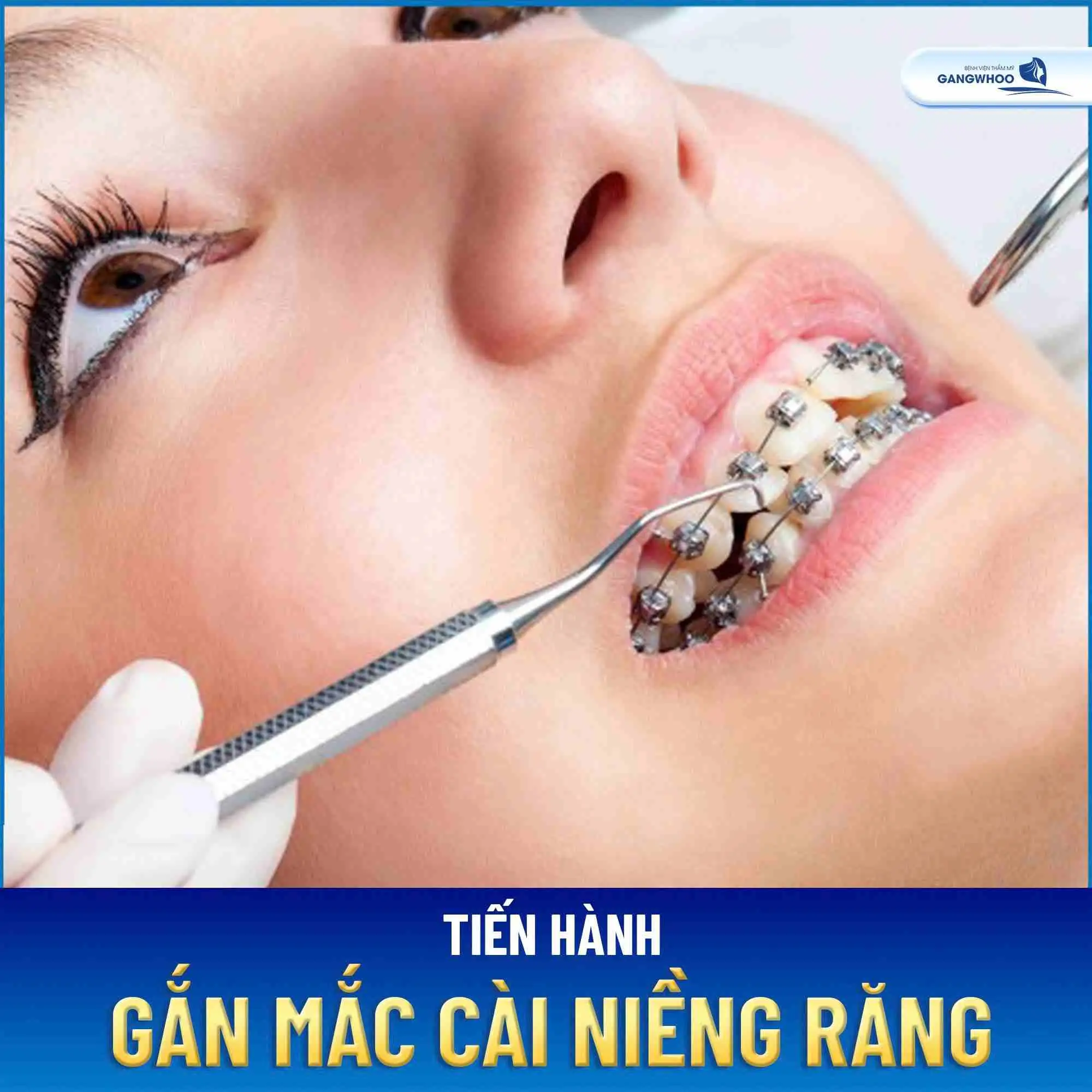
The orthodontist positions each bracket on the tooth surface and secures it using specialized dental adhesive. The archwire is then inserted through the bracket system and adjusted to deliver the appropriate force. In some cases, interarch elastics or orthodontic mini-screws may be added to optimize tooth movement.
- Step 5: Follow-Up and Scheduled Check-Ups
After appliance placement, patients return for follow-up visits every 3–6 weeks. During each appointment, the orthodontist evaluates tooth movement, adjusts forces, replaces elastics, and addresses issues such as detached brackets or protruding wires. Patients also receive ongoing oral hygiene instructions to maximize treatment success.
