Hello, after undergoing eyelid surgery, the care and dietary restriction period plays an extremely important role in ensuring that the eyelid incision heals beautifully, naturally, and without scarring. Many people wonder how long dietary restrictions after double eyelid surgery are necessary, as this directly impacts recovery speed and long-term aesthetic results. The doctor will explain this in detail from a professional perspective.
How long should you avoid certain foods after eyelid surgery?
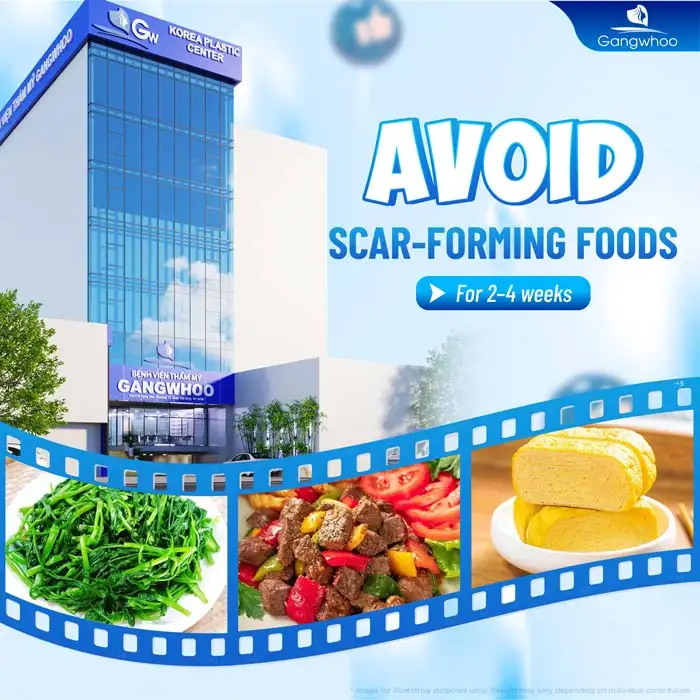
Generally, after double eyelid surgery, you should avoid foods that may cause scarring, itching, or delayed wound healing for at least 2–4 weeks. However, the exact duration of dietary restriction also depends on your individual healing response, wound condition, and the surgical technique used.
For cases undergoing minimally invasive endoscopic eyelid surgery using the exclusive Plasma scalpel technology at Gangwhoo Cosmetic Hospital, thanks to precise incisions and immediate hemostasis, the wounds are small with minimal tissue damage. As a result, recovery time is usually only about 7–10 days, and the dietary restriction period is also shorter.
With traditional eyelid surgery methods, the incision is deeper and healing is slower; therefore, dietary restrictions of at least one month are required to ensure the skin tissue stabilizes and the eyelid crease forms properly.
Thus, to clearly answer the question “How long should you avoid certain foods after eyelid surgery?”, doctors recommend strictly following dietary restrictions for a minimum of 2–4 weeks, or until the wound has completely healed, with no swelling, redness, or itching.
Why is dietary restriction necessary after eyelid surgery?
Dietary restriction after eyelid surgery is not merely a “folk recommendation” but a mandatory biological and medical requirement to ensure safety for the newly operated tissue.
After eyelid surgery, the eyelid area goes through several stages:
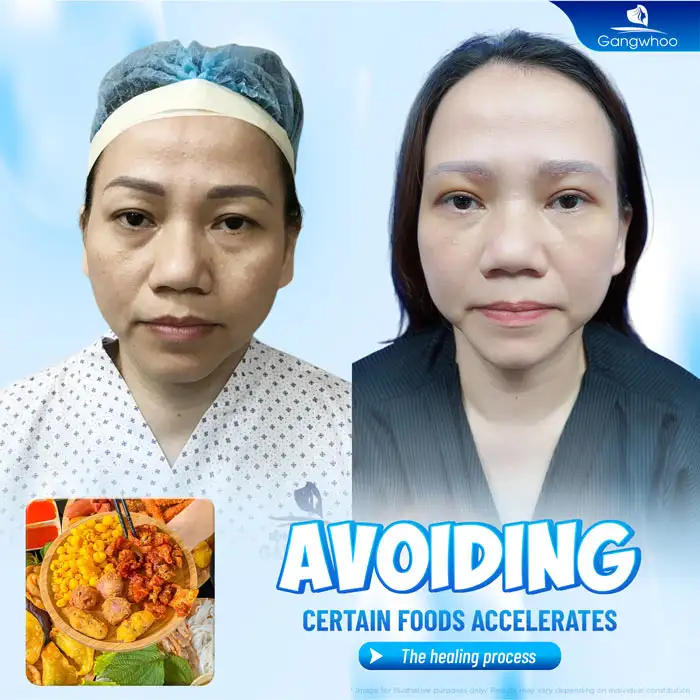
- Tissue regeneration and collagen proliferation: this stage is very sensitive. Consuming foods such as beef, seafood, sticky rice products, or water spinach may overstimulate fibrous tissue growth, leading to hypertrophic scars, dark scars, or hard, uneven eyelid creases.
- Anti-inflammatory and recovery phase: spicy foods and stimulants such as alcohol, coffee, and cigarettes can dilate blood vessels, prolong swelling and redness, and increase the risk of wound infection.
Therefore, proper dietary restriction not only helps the eyelids heal faster and reduces complications, but also ensures beautiful, natural, and long-lasting surgical results.
How to choose foods after eyelid surgery to promote faster recovery
Instead of focusing only on “what to avoid,” you should also supplement the right foods to help your body recover quickly and stabilize the eyelid crease as soon as possible. Doctors suggest the following scientific diet:
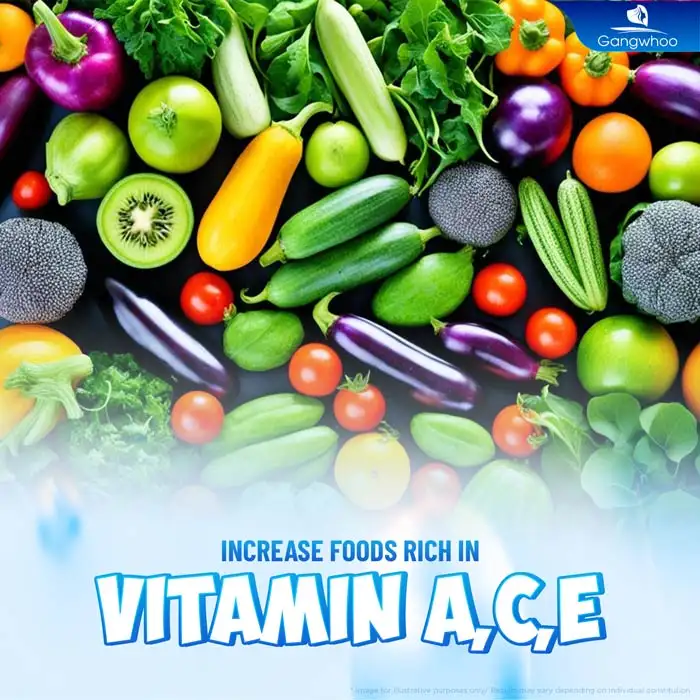
- Increase foods rich in vitamins A, C, and E: found in carrots, pumpkin, oranges, pomelo, leafy greens, etc., which help stimulate collagen production and brighten the eyelid skin.
- Supplement healthy protein: from chicken, salmon, tofu, and eggs to promote faster wound healing and reduce inflammation.
- Drink enough water: at least 1.5–2 liters per day to help detoxify the body and improve blood circulation to the eye area.
- Eat lightly and avoid greasy foods: to prevent fluid retention and help reduce swelling more effectively.
In addition, you should get adequate rest, avoid stress, and go to bed early so the body has enough time to regenerate new tissue. A balanced diet combined with proper rest will help accelerate recovery after eyelid surgery and achieve optimal aesthetic results.
Summary:
After double eyelid surgery, you should maintain dietary restrictions for at least the first 2–4 weeks and focus on healthy nutrition to help the eyelids recover quickly, prevent scarring, and achieve a naturally well-defined crease. If you choose minimally invasive endoscopic eyelid surgery using the exclusive Plasma scalpel technology at Gangwhoo Cosmetic Hospital, the healing process will be faster, swelling will be minimal, and the dietary restriction period will be significantly shortened.
If you need more detailed consultation regarding post-surgery dietary restrictions tailored to your individual condition or guidance on proper wound care, you can visit Gangwhoo Cosmetic Hospital directly for a thorough examination and personalized support.


