Hello, I understand your concern when you notice hard, rough bumps on your skin that may feel coarse or slightly painful — these could be warts, a type of skin lesion caused by a virus. This condition is quite common, but if not treated correctly, warts can spread, recur many times, and affect aesthetics. I will explain the cause, effective wart treatment options, and care measures to prevent recurrence so you can understand and manage the condition properly.
Causes of wart formation
Warts are skin lesions caused by the Human Papillomavirus (HPV). The virus enters through small skin abrasions, causing abnormal epidermal cell growth, which forms hard, raised bumps. There are over 100 HPV strains, but the most common types that cause warts on the hands, feet, or face include HPV types 1, 2, 4, 27, and 57.
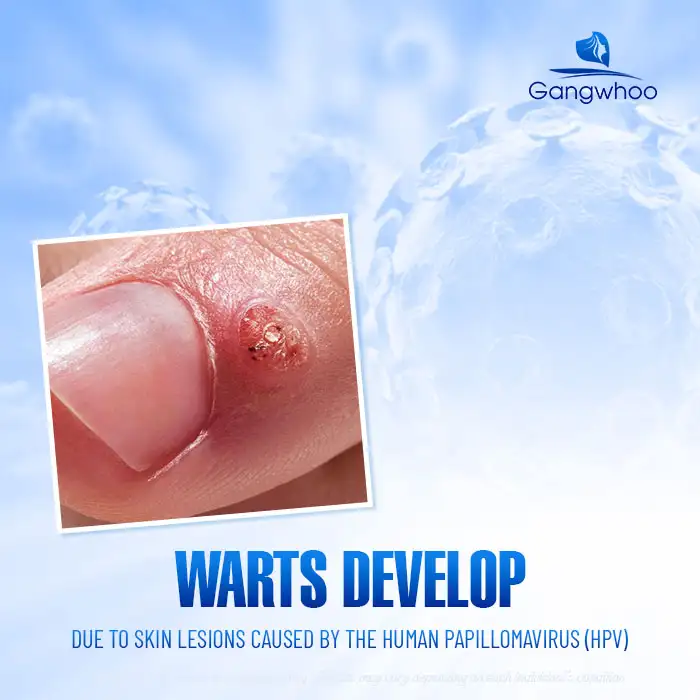
- Warts can spread through: Direct contact with wart-affected skin from another person or from yourself (by scratching, picking, or squeezing the wart).
- Sharing personal items such as towels, razors, gloves, slippers…
- Humid environments where the skin is prone to abrasions (e.g., walking barefoot in swimming pools or gyms) also create favorable conditions for viral entry.
Some factors that increase the likelihood of wart formation include low immunity, hormonal imbalance, excessive sweating of hands and feet, or cracked, dry skin.
In short, warts are a dermatological condition caused by HPV with high transmissibility and recurrence if not treated properly. Understanding the cause will help you choose the most appropriate and safe wart treatment method.
Safe and effective wart treatment methods
Depending on the location and extent of spread, the doctor will recommend a suitable method. Below are 9 popular, safe, and highly effective wart treatment methods:
Topical salicylic acid treatment
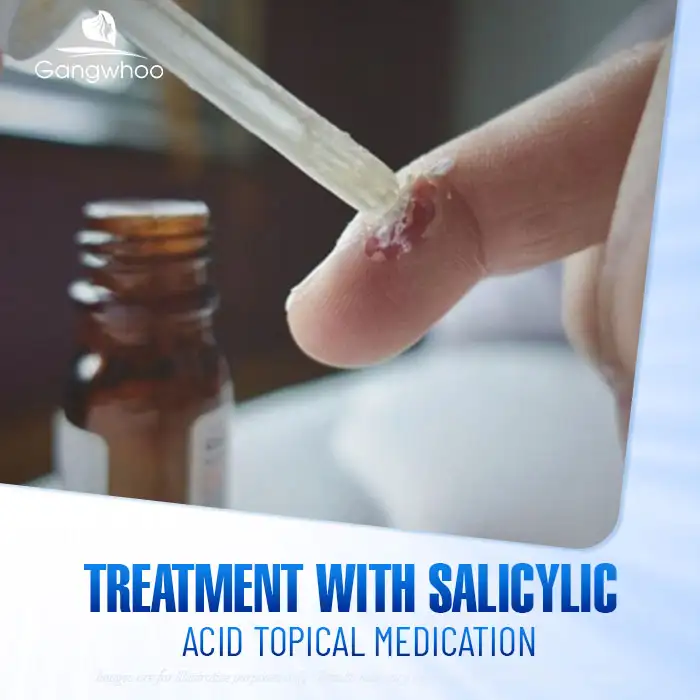
Medications containing salicylic acid (10–40%) help soften keratinized layers and gradually peel off warts. Consistent daily application for several weeks is needed. However, it must be used correctly, as improper application may irritate or damage surrounding skin.
Liquid nitrogen cryotherapy
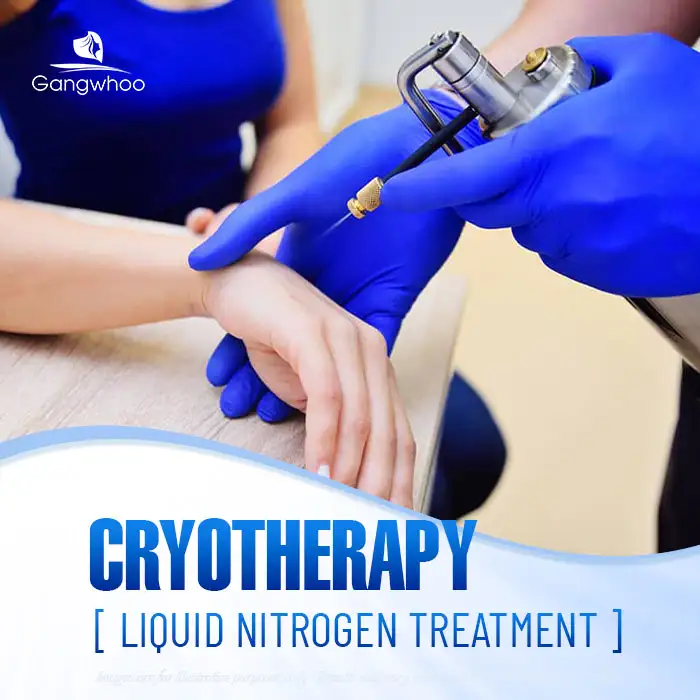
Liquid nitrogen cryotherapy (-196°C) is a commonly used wart treatment in dermatology clinics. The extremely low temperature destroys HPV-infected tissue, causing the wart to fall off after 1–2 weeks.
Electrocautery or CO₂ laser removal
For warts in difficult areas (such as hands, face, or near the nails), electrocautery or CO₂ laser may be used to thoroughly remove the wart root. This is one of the most effective and aesthetic wart treatment methods, especially for hand warts, but must be performed at reputable clinics to avoid scarring.
Topical immunosuppressive therapy

Certain creams containing imiquimod or interferon help stimulate the immune system to eliminate HPV, suitable for widespread or treatment-resistant warts.
Intralesional bleomycin injection
This method is used for recurrent warts. Bleomycin, an antiviral medication, is injected directly into the wart to destroy HPV-infected tissues.
Surgical wart excision
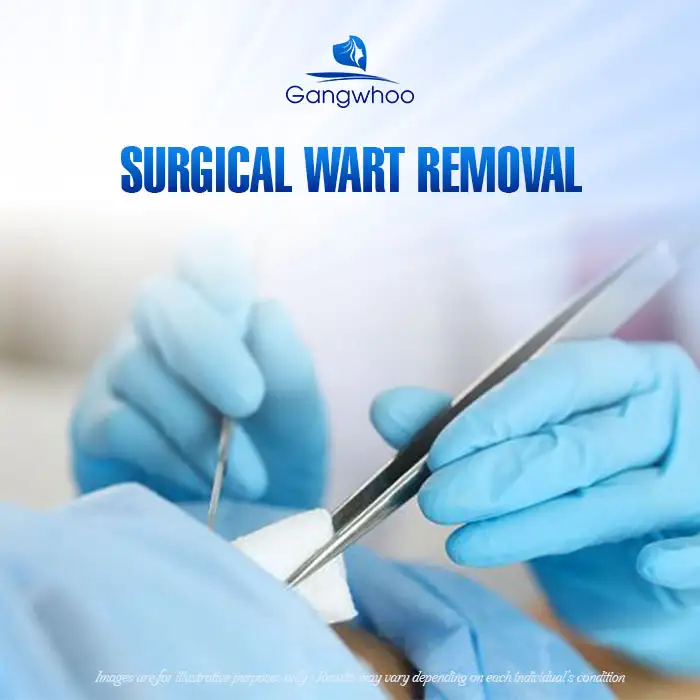
For large, deep, or painful warts, a minor surgical procedure may be used to remove them. This must be done under sterile conditions to prevent viral spread.
Photodynamic Therapy (PDT)
A photosensitizing agent is applied to the wart area, followed by a specific light source to activate a reaction that destroys HPV-infected cells. This is an advanced, minimally invasive, and safe method for facial warts.
Using natural essential oils for supportive care

Some essential oils, such as tea tree oil or oregano oil, have antibacterial and antiviral properties and may help reduce mild warts. However, this is only supportive and does not replace medical treatment.
Strengthening immunity and balancing hormones
A healthy immune system helps the body eliminate HPV more effectively. You should maintain a balanced diet, supplement vitamins A, C, E, zinc, and ensure adequate sleep to support wart treatment.
At Gangwhoo Cosmetic Hospital, dermatologists apply various advanced technologies such as CO₂ laser, liquid nitrogen cryotherapy, and PDT photodynamic therapy, helping treat warts quickly, safely, and with minimized recurrence.
How to prevent wart recurrence
After treatment, proper skincare is necessary to avoid recurrence:
- Keep the skin clean and dry, especially hands and feet.
- Do not scratch, cut, or peel warts, as this can spread the virus to other areas.
- Disinfect personal tools such as razors, clippers, towels… and avoid sharing items with others.
- Boost natural immunity through a healthy diet and regular exercise.
- Have regular check-ups so the doctor can monitor and address early signs of recurrence.
If you are experiencing persistent warts on your hands, feet, or face, or have tried multiple treatments without success, you should visit Gangwhoo Cosmetic Hospital for direct examination by dermatology specialists. Here, doctors will determine the HPV strain, assess your skin condition, and provide the most suitable wart treatment plan — ensuring safety, effectiveness, and aesthetics.


