Signs of breast augmentation infection and safe treatment methods
Lam Hong Van
Asked: 23/03/2026
Doctor, how can I recognize the signs of infection after breast augmentation? I want to clearly understand the early symptoms so that I can handle them promptly, because I have heard that if it is not detected early, it can cause very dangerous complications. I hope the doctor can guide me on safe treatment methods if infection unfortunately occurs.
Hello, when undergoing breast augmentation, monitoring your health and the condition of the incision is extremely important to ensure aesthetic results as well as long-term safety. One complication that women should pay special attention to is breast augmentation infection – a condition that can occur due to various causes and, if not treated promptly, may affect both health and the breast shape later. The doctor will explain each issue in detail for you.
What are the signs of breast augmentation infection?
Breast augmentation infection is a condition in which bacteria invade the breast tissue or the area around the implant, causing inflammatory reactions and tissue damage. Signs of infection after surgery usually appear within the first 7–14 days, but sometimes they may occur later depending on each individual’s condition. Some symptoms you should pay special attention to include:
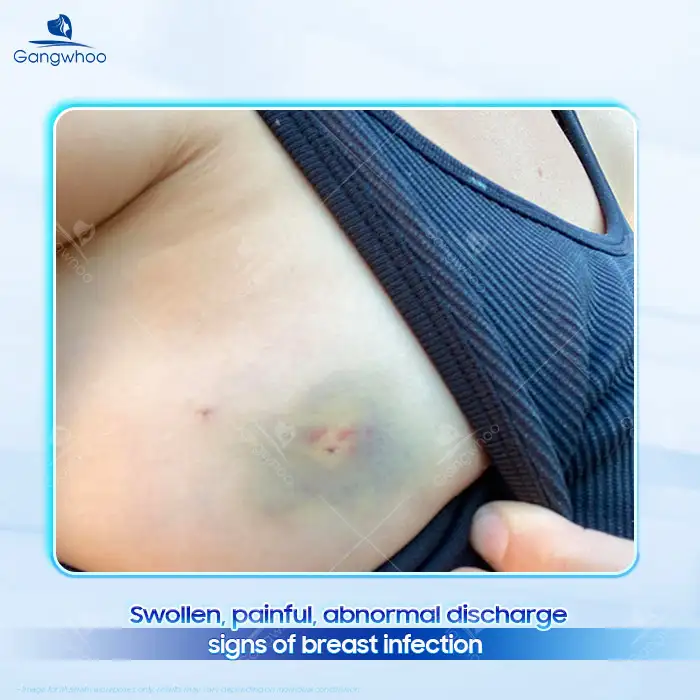
Abnormal breast swelling, pain, and discharge are signs of breast infection
Breast swelling, pain, and abnormal discharge are signs of breast augmentation infection
Increasing swelling and pain: After breast augmentation, mild swelling is normal. However, if the pain, tightness, and redness spread, especially occurring on only one breast, it may be an early warning sign.
Redness or abnormal discharge from the incision: If the incision releases yellow, cloudy fluid or has an unpleasant odor, the surgical area may be infected.
Fever or chills: When bacteria enter the body, the immune system responds, causing body temperature to rise. A fever above 38°C after surgery is a sign that needs immediate examination.
Breast deformity: One breast becoming significantly swollen, deformed, or the implant feeling unusually firm and painful may indicate inflammation or fluid accumulation.
Fatigue and loss of appetite: These are systemic symptoms showing that the body is fighting an infection.
According to doctors, when noticing these signs, you should absolutely not apply hot compresses or take antibiotics or anti-inflammatory drugs at home on your own, because this may cause antibiotic resistance or rupture of the implant, making later treatment more difficult.
Causes of breast augmentation infection
There are many factors that may lead to breast augmentation infection, including causes during surgery as well as during postoperative care. Medically, the most common cause is bacterial infection (such as Staphylococcus aureus or Pseudomonas aeruginosa) entering the incision. Specifically, the doctor will analyze the main causes for you as follows:
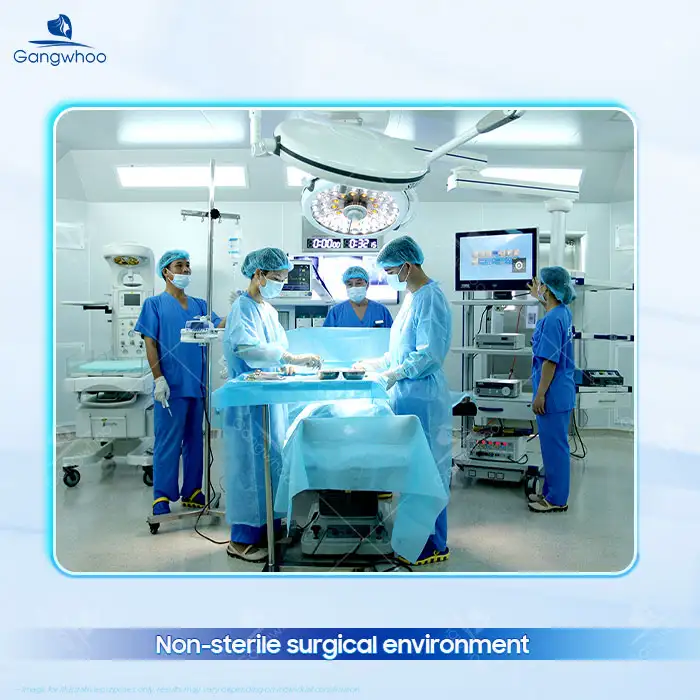
An unsterile surgical environment can easily cause breast infection
Non-sterile surgical environment: If the operating room does not meet standards or instruments are not properly sterilized, bacteria can easily enter the surgical area.
Inaccurate surgical technique: Lack of precision, excessive dissection, or inability to control fluid within the breast pocket may increase the risk of infection.
Improper postoperative care: Not cleaning the incision as instructed, touching the breast with hands, wearing overly tight bras, or engaging in vigorous activities too early may allow bacteria to attack the surgical area.
Sensitive constitution or weak immune system: People with underlying medical conditions, smokers, or those with poor nutrition often have slower recovery and are more prone to infection.
Use of substandard breast implants: Low-quality implants without medical certification may cause inflammatory reactions and infection around the implant.
Safe treatment methods when noticing signs of breast infection
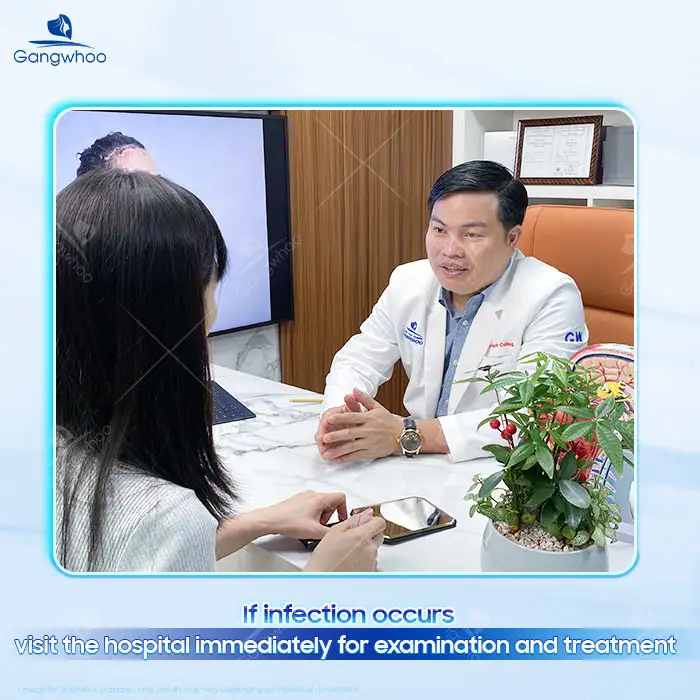
When there are signs of breast augmentation infection, the first thing you should do is immediately go to a medical facility or the cosmetic hospital where you had the surgery to be directly examined by a specialist. Proper treatment will help avoid the risk of tissue necrosis, incision opening, or breast shape deformity later.
Depending on the severity of the infection, the doctor will choose an appropriate treatment approach:
If signs of breast infection are detected, you should go to the hospital immediately for timely examination
Mild cases: Can be treated with specialized antibiotics, combined with wound cleaning using antiseptic solutions and regular monitoring.
Moderate to severe cases: If there is fluid accumulation or deep inflammation, the doctor may need to perform drainage or wash the breast pocket.
Severe cases: When infection spreads widely and the implant risks capsular contracture or damage, the implant may need to be removed for complete cleaning, followed by reconstruction after the tissue has recovered.
To ensure absolute safety, you should choose a reputable facility such as Gangwhoo Cosmetic Hospital, where Harmonic scalpel technology and 4K endoscopic microsurgery techniques are applied to minimize bleeding, shorten recovery time, and effectively prevent infection.
If you are experiencing suspected infection or want a postoperative breast check-up, visit Gangwhoo Cosmetic Hospital to be examined by doctors, determine the cause, and receive appropriate treatment, ensuring safety for your health and maintaining the most natural beauty for your breasts.