Can You Eat Potatoes After Eyelid Surgery? Important Notes When Eating Potatoes
Huyen Mi
Asked: 06/05/2026
Hello doctor, my name is Huyền Mi. I had eyelid surgery 5 days ago and there is still slight swelling. Today my family cooked potatoes, so I’m wondering whether I can eat potatoes after eyelid surgery. I’ve heard that potatoes are good for wounds, but some people say they can cause pus. I’m not sure what the truth is and what I should pay attention to when eating them?
Hello, many women after eyelid surgery often feel confused when choosing foods, especially familiar dishes like potatoes. The question “can you eat potatoes after eyelid surgery” is also something doctors receive very frequently during post-operative consultations. To help you better understand this issue, the doctor will explain in detail from a professional perspective.
Can You Eat Potatoes After Eyelid Surgery?
The doctor’s answer is: After eyelid surgery, you can absolutely eat potatoes, however, you need to pay attention to the preparation method and consumption frequency to avoid affecting the wound healing process.
You can eat potatoes after eyelid surgery, but pay attention to preparation methods and frequency of consumption
Potatoes are rich in starch, vitamin C, potassium, and antioxidants that are beneficial for the skin, helping to boost immunity and support skin tissue regeneration after surgery. Therefore, when used properly, potatoes can help the eyelid area recover faster and minimize scarring.
However, you should avoid eating fried potatoes, butter garlic potatoes, or dishes high in oil, as saturated fats may increase swelling and inflammation, causing the wound to heal more slowly. Instead, doctors recommend boiled, steamed, or mashed potatoes – which are easier to digest and help the body absorb nutrients more effectively.
Thus, eyelid surgery patients can eat potatoes – the answer is yes, but attention must be paid to proper preparation methods and reasonable portions to achieve optimal recovery.
Benefits of Eating Potatoes After Eyelid Surgery
Potatoes are not only easy to eat but also contain many nutrients beneficial for skin and tissue cells, especially during the recovery phase after eyelid surgery.
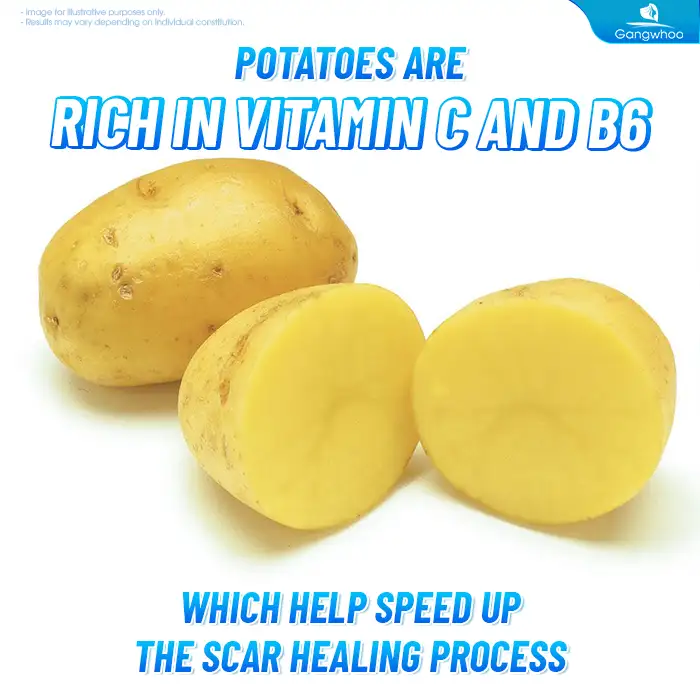
Potatoes are rich in vitamin C and B6, helping speed up the scar healing process
Rich in vitamin C and B6: helps promote collagen synthesis – an essential factor for skin elasticity and faster wound healing.
Natural antioxidants: potatoes contain polyphenols and flavonoids that neutralize free radicals, helping reduce inflammation and minimize bruising around the eyelids.
Provides gentle energy: boiled potatoes supply energy without causing heaviness, supporting blood circulation to the eye area and reducing fatigue after surgery.
Improves skin brightness: vitamin C and minerals in potatoes help keep the eyelid skin soft, smooth, and more even-toned, reducing darkening during recovery.
Therefore, if used properly, potatoes can be a beneficial food that helps the recovery process after eyelid surgery become more natural and safer.
Important Notes When Eating Potatoes After Eyelid Surgery
Although potatoes offer many benefits, you still need to keep in mind the following important points to ensure safety for the eyelid area after surgery:
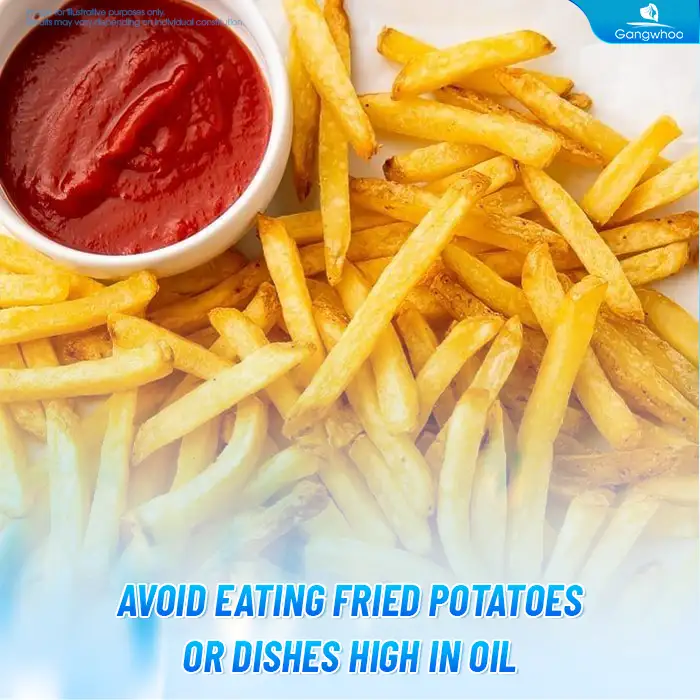
Avoid fried potatoes or oily dishes as they are not good for recovery
Avoid fried or oily potato dishes: oils can slow blood circulation and increase the risk of swelling and inflammation in the eyelid area.
Do not eat sprouted potatoes: they contain solanine – a toxic substance that can cause nausea, dizziness, affect overall health, and indirectly impact recovery.
Maintain a balanced diet: potatoes should be part of a balanced meal, combined with vegetables, fruits, and protein-rich foods such as lean meat, salmon, and eggs to support tissue regeneration.
Drink enough water daily: helps eliminate toxins, improve skin hydration and elasticity, and reduce dryness or darkening after surgery.
Doctor’s advice:
In addition to diet, post-operative care also plays a crucial role. You should keep the eyelid area clean, avoid touching the stitches, and refrain from wearing makeup or contact lenses for the first 7–10 days. Especially, if you notice unusual swelling, redness, or discharge, you should contact the surgical facility immediately for timely examination.
At Gangwhoo Cosmetic Hospital, endoscopic microsurgical eyelid techniques combined with exclusive Plasma technology are applied to ensure precise manipulation, minimize tissue damage, shorten swelling time, and deliver natural, long-lasting eyelid results. If you need detailed consultation on diet, post-operative care or management of delayed recovery, the doctor recommends visiting Gangwhoo for direct examination and personalized guidance.