11+ Effective and Safe Ways to Treat Cystic Acne Properly for Facial Skin
Pham Tu Quyen
Asked: 23/05/2026
Hello Doctor, recently I have been experiencing a lot of cystic acne, especially around my chin and cheeks. The pimples are large, swollen, red, and painful, so I’m very worried they may leave dark scars if not treated properly. I’ve tried using several acne creams but haven’t seen any improvement. Could you please advise me on the proper way to treat cystic acne so it is both effective and safe for facial skin? If there are any at-home treatment methods combined with suitable skincare products, please guide me in detail as well.
Hello, cystic acne is a severe inflammatory form of acne that is highly swollen, painful, and very prone to scarring if treated incorrectly. Therefore, understanding each severity level and choosing the right treatment method is extremely important. Today, the Doctor will provide a detailed guide on how to treat cystic acne according to medical standards, from at-home treatment methods for mild acne to intensive treatment protocols for severe cystic acne. The content below will help you understand exactly what to do and what to avoid in order to achieve the best results.
11+ Ways to Treat Mild Cystic Acne at Home
At the mild stage, cystic acne has just formed, with minimal inflammation and not much deep pus accumulation. At this point, you can apply several cystic acne treatment methods at home to reduce swelling, control oil production, and prevent the acne from worsening. Below are 11+ facial cystic acne treatment methods recommended by the Doctor:
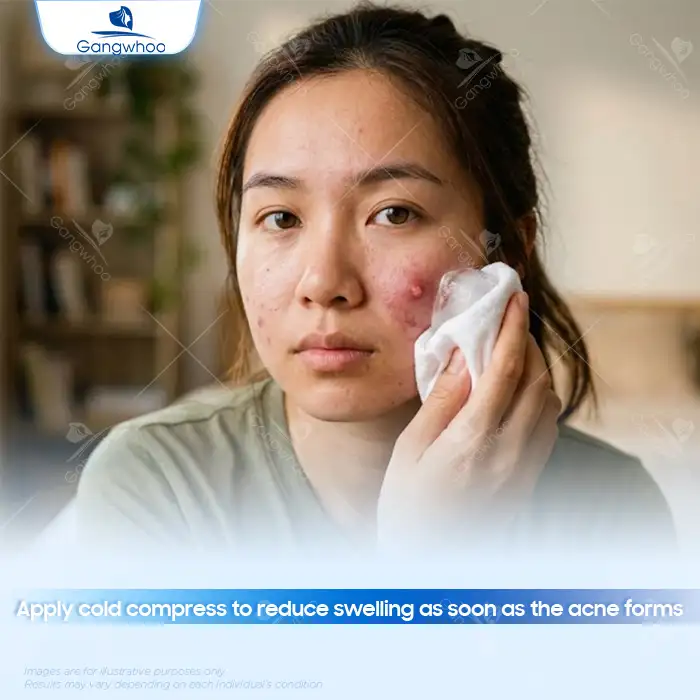
Method 1: Apply a cold compress to reduce swelling as soon as the acne forms
Apply a cold compress to reduce swelling as soon as the acne forms
When the acne begins to swell, applying a cold compress for 5–10 minutes helps constrict blood vessels, relieve pain, and prevent the inflammation from spreading.
Method 2: Wash your face properly using a gentle cleanser
Choose a facial cleanser with pH 5.5 and free of sulfates to remove excess oil without over-drying the skin, which may trigger increased oil production.
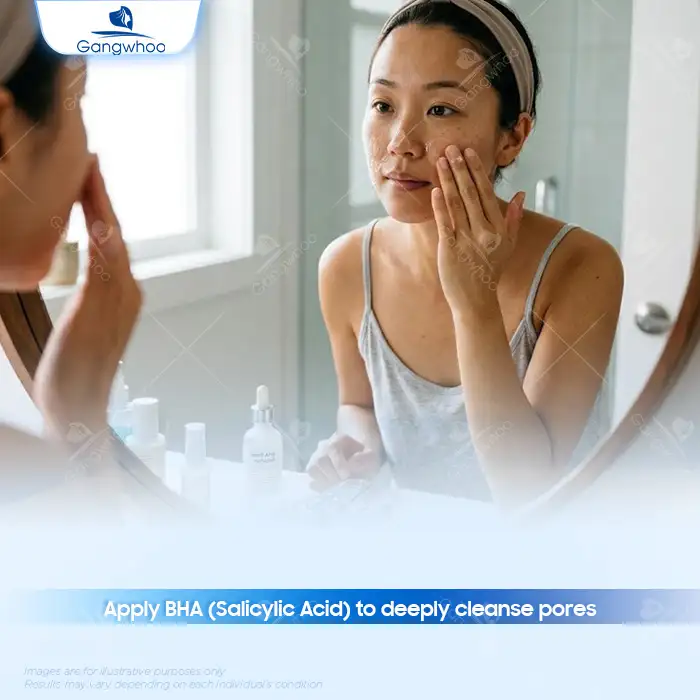
Method 3: Apply BHA (Salicylic Acid) to deeply cleanse pores
Apply BHA (Salicylic Acid) to deeply cleanse pores
BHA penetrates deeply into hair follicles, reduces pore blockage, and helps dry out acne cores. This is a key factor in at-home cystic acne treatment.
Method 4: Use Benzoyl Peroxide (2.5–5%) to reduce acne-causing bacteria
This active ingredient eliminates P. acnes, the primary cause of inflammation. It should be spot-applied to avoid excessive dryness.
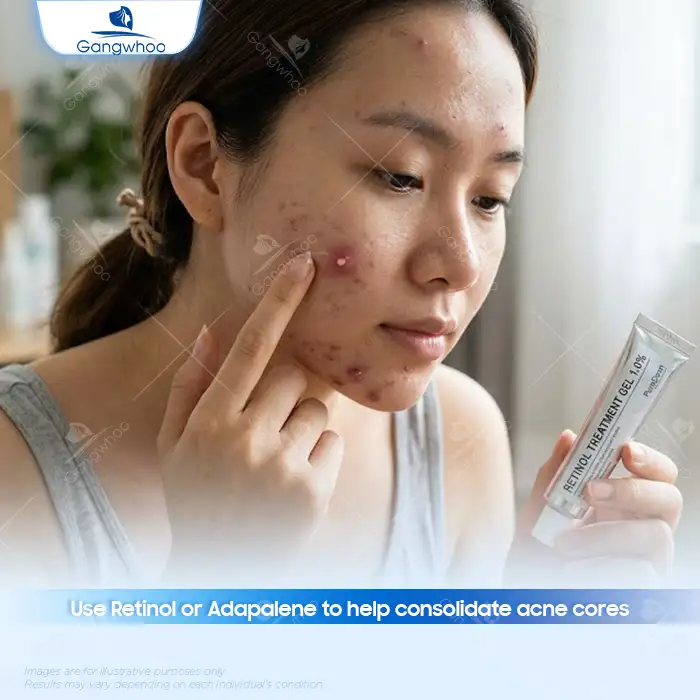
Method 5: Use Retinol or Adapalene to support acne core reduction
Use Retinol or Adapalene to support acne core reduction
These ingredients help renew the skin and thin the stratum corneum, making them suitable for small cystic acne or recurring acne in the same area.
Method 6: Use spot treatments containing Sulfur or Tea Tree Oil
These two ingredients have antibacterial properties and help dry out acne cores more safely than squeezing pimples.
Method 7: Keep the skin sufficiently hydrated with oil-free moisturizers
Keep the skin sufficiently hydrated with oil-free moisturizers
Dehydrated skin produces more oil, causing cystic acne to become more swollen. Choose moisturizers containing HA, glycerin, or ceramide.
Method 8: Apply aloe vera gel or saline solution to reduce inflammation
Aloe vera helps soothe the skin, while saline solution provides gentle antiseptic effects and helps reduce redness quickly.
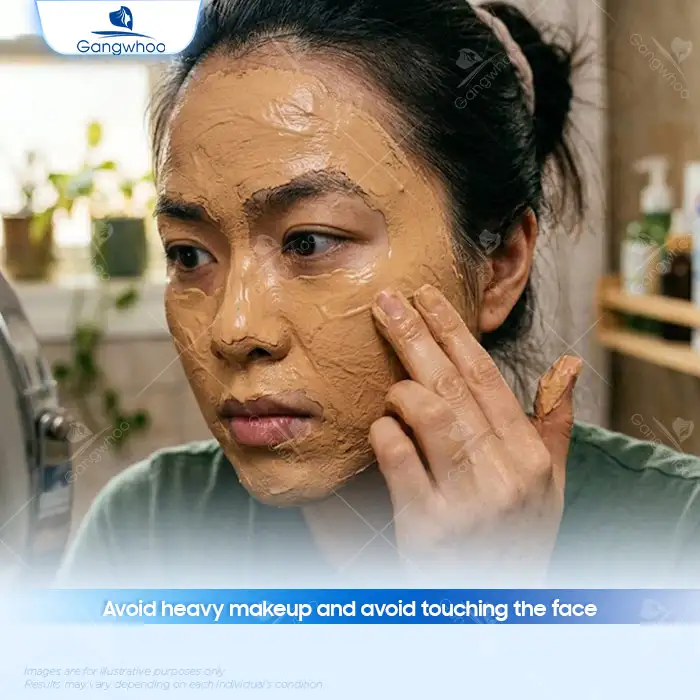
Method 9: Avoid heavy makeup and avoid touching your face
Avoid heavy makeup and avoid touching your face
Heavy makeup clogs pores, while touching the face allows bacteria to penetrate deeper into the skin.
Method 10: Follow an anti-inflammatory diet and get enough sleep
Limit sugar, cow’s milk, and fried foods; increase green vegetables and omega-3 intake, and sleep 7–8 hours/day to stabilize hormones — a crucial factor in effective cystic acne treatment.
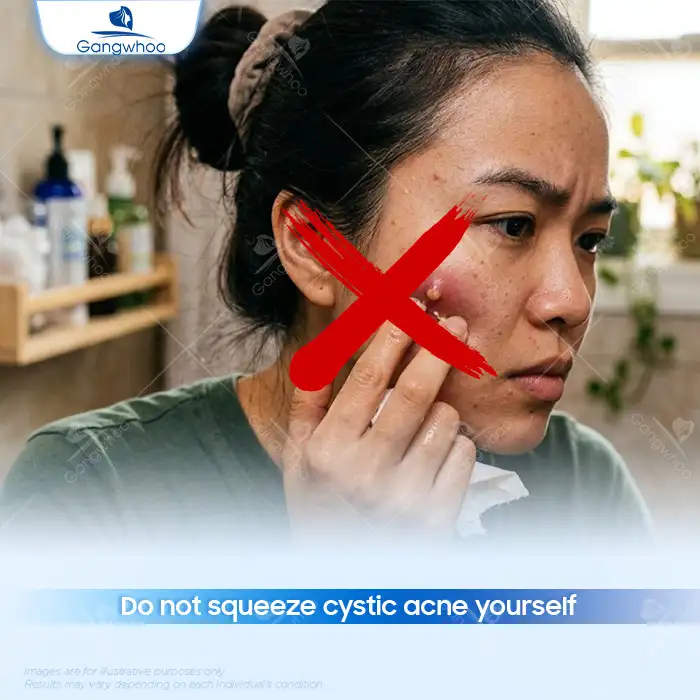
Method 11: Do not squeeze cystic acne yourself
Do not squeeze cystic acne yourself
Cystic acne can easily leave pitted scars if handled aggressively. Squeezing acne at home almost always leads to the spread of inflammation.
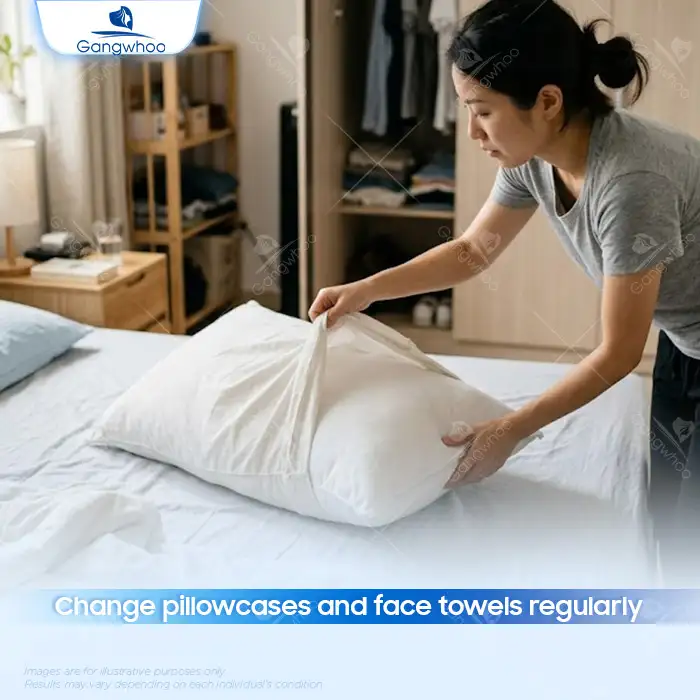
Method 12: Change pillowcases and face towels regularly
This is a simple but very important habit to help limit bacterial buildup that causes acne.
If after 7–10 days of applying the above methods the acne remains swollen, painful, or continues spreading, you should immediately switch to intensive treatment to prevent scarring.
Doctor-Prescribed Treatments for Severe Cystic Acne
For severe cystic acne — deep inflammation, significant pus accumulation, hardness, and prolonged pain — at-home treatment will not be effective. The Doctor will evaluate the extent of skin damage before recommending an appropriate treatment plan:
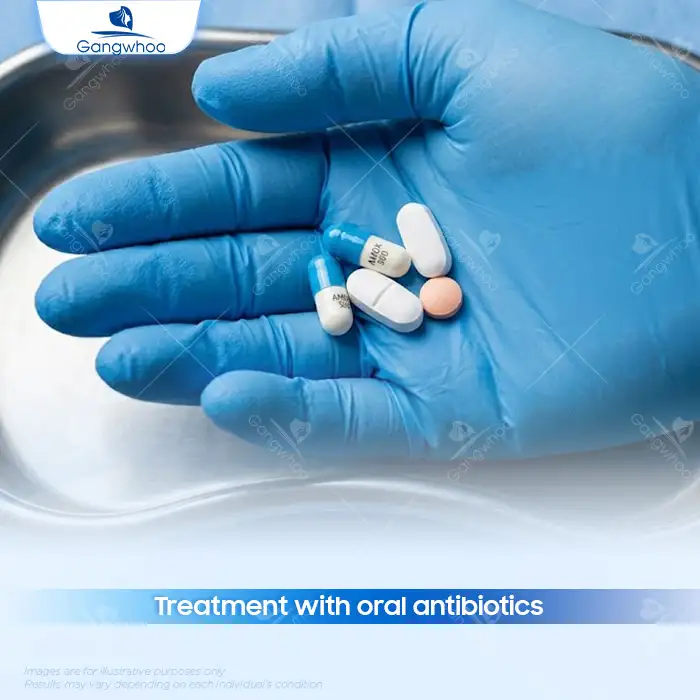
Oral antibiotic treatment
Oral antibiotic treatment
Used for widespread inflammatory acne. Common prescriptions include doxycycline, minocycline, or azithromycin.
Hormonal therapy
If cystic acne is caused by hormonal imbalance (commonly in women), the Doctor may prescribe hormone-regulating medications or spironolactone to reduce oil production.
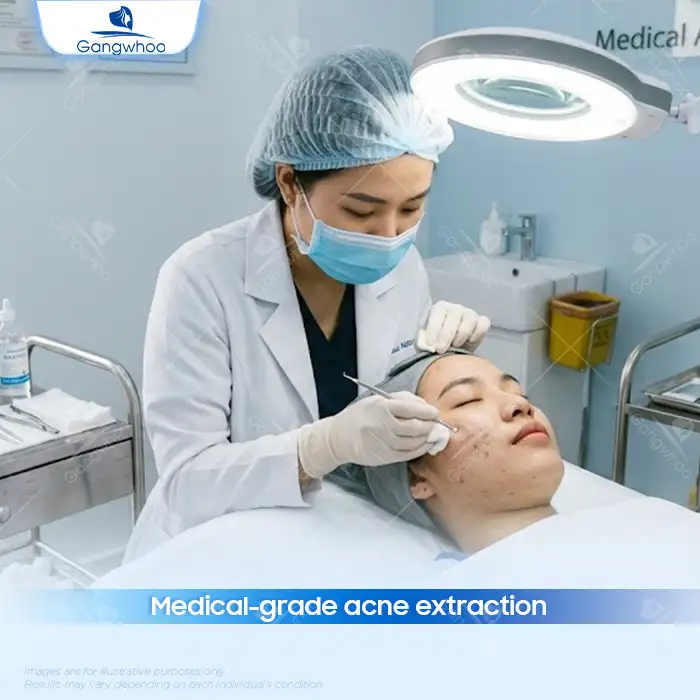
Medical-standard acne extraction
Medical-standard acne extraction
Deep acne cores are removed in a sterile environment to prevent inflammation from spreading and minimize scarring.
Biological light therapy (Blue – Red LED)
Helps rapidly reduce swelling and significantly improve inflammation after just a few sessions.
Medical-grade skin peeling (AHA/BHA/TCA)
Helps remove dead skin buildup and supports faster reduction of cystic acne cores.
Common Mistakes When Treating Cystic Acne
Many people fail to cure their acne because they make the following mistakes:
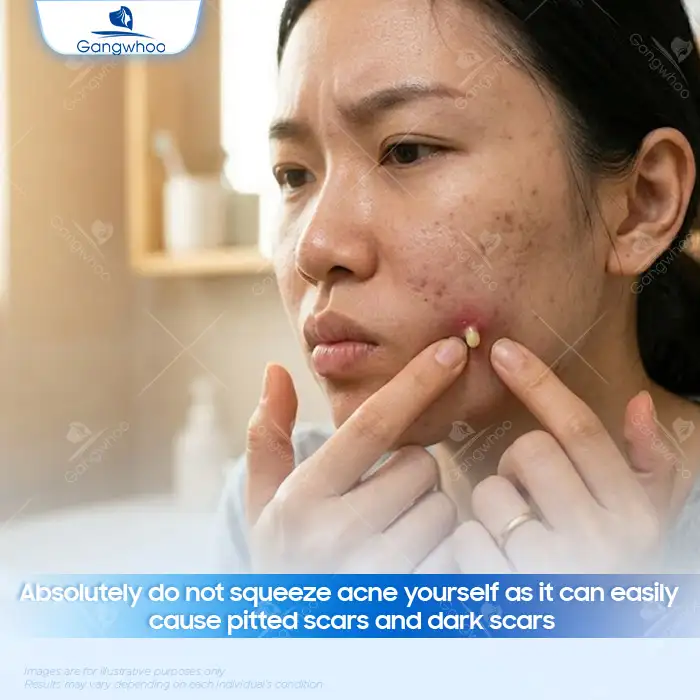
Absolutely do not squeeze acne yourself as it can cause pitted and dark scars
Squeezing cystic acne yourself: Causes rupture of inflamed tissue, leading to severe dark spots and permanent pitted scars.
Overusing BHA or retinol: Excessive use irritates the skin, causing redness, burning, and worsening cystic acne.
Applying unverified folk remedies: Garlic, toothpaste, ginger, etc. may cause skin burns, erosion, and hyperpigmentation.
Not fully treating hidden acne before treating cystic acne: Hidden acne buildup continues to inflame and develop into cystic acne.
Sleeping late and eating irresponsibly while expecting acne to clear quickly: Hormonal imbalance is a major cause of cystic acne.
Buying oral medications based on advertisements: Can lead to antibiotic resistance, menstrual disorders, and liver/kidney overload.
How to Prevent Cystic Acne Recurrence
To achieve effective cystic acne treatment and prevent recurrence, you should maintain the following habits:
Keep the skin clean and remove makeup daily
Use a gentle facial cleanser twice daily
Limit makeup and choose non-comedogenic products
Moisturize regularly to maintain the skin barrier
Sleep on time and reduce stress
Control sugar, dairy, and fried foods in your diet
Change pillowcases 2–3 times/week
Exercise lightly to improve blood circulation
Avoid touching your face or squeezing acne
If your skin is highly prone to inflammation, the Doctor recommends regular follow-up visits to monitor and adjust the treatment plan promptly.
Doctor’s Conclusion
Cystic acne is one of the most difficult acne types to treat and the most likely to leave scars, so the earlier it is treated properly, the higher the chance of recovery and scar fading. If you have applied cystic acne treatment methods at home but still see no improvement, or if the acne continues to swell and worsen, visit Gangwhoo Cosmetic Hospital for skin analysis and an intensive treatment protocol.
Here, Doctors apply Laser Gold – Cold Plasma – Skin Get IPL – Medical Peel – Biological LED Therapy combined with medical-standard acne extraction to ensure safety and deliver optimal results for every skin condition.