Proper Acne Treatment Methods from Mild to Severe Cases
Luu Minh Ngoc
Asked: 31/05/2026
Hello Doctor, sometimes I only get a few small pimples, but occasionally they flare up into large inflammatory acne lesions. I would like to ask about the proper way to treat acne. For mild to severe acne, which treatment methods should be used? Is it necessary to see a dermatologist, or can acne be treated at home? Please explain each severity level so I can better identify my skin condition.
Hello, acne is one of the most common dermatological conditions, affecting people of all ages and potentially persisting for years if not treated properly. Classifying acne according to severity and applying the appropriate treatment method—from home care to advanced therapies—is the key factor in achieving effective results. Below, the Doctor will provide a detailed explanation to help you understand how to treat acne, approaches for mild acne, inflammatory acne, and methods for comprehensive acne treatment according to medical standards.
How to Treat Mild Acne
For mild acne such as whiteheads, blackheads, tiny pimples, or newly developed comedonal acne, the Doctor prioritizes safe at-home methods combined with suitable skincare products. These treatments are based on cleansing, oil control, anti-inflammatory action, and preventing pore re-clogging.
Below are 11 effective methods for treating mild acne that you can apply:
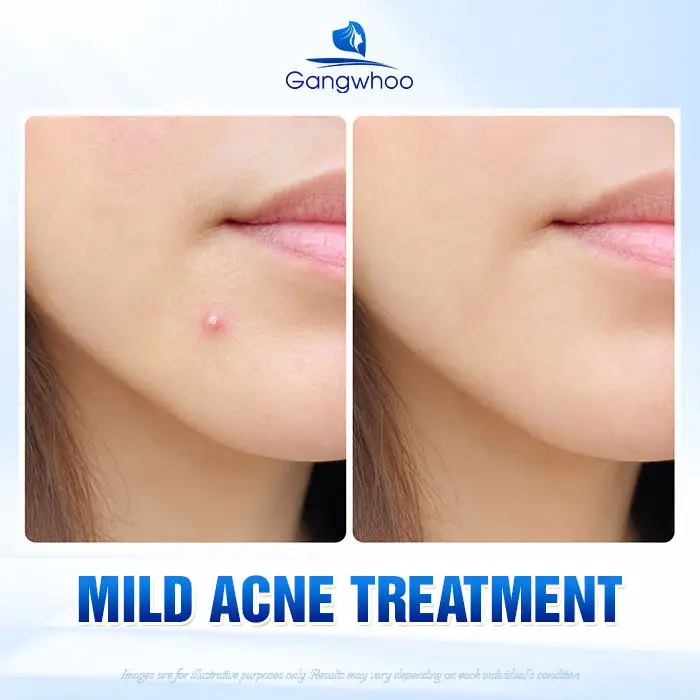
Methods for Treating Mild Acne That Can Help Reduce Mild Acne Conditions
Cleanse Properly: Wash your face twice daily using cool water and gentle massage techniques to reduce oil and dirt without damaging the skin barrier.
Choose a Suitable Cleanser: Oily skin should use products containing mild BHA; dry or sensitive skin should choose gentle gel cleansers and avoid strong fragrances.
Chemical Exfoliation with AHA/BHA: AHA cleanses the skin surface, while BHA penetrates deeply into follicles to reduce the formation of new acne lesions.
Use 0.5–2% BHA: Helps reduce pore congestion and is suitable for blackheads and tiny pimples.
2.5% Benzoyl Peroxide: Helps reduce acne-causing bacteria, provides anti-inflammatory benefits, and quickly treats whiteheads and blackheads.
Retinol/Adapalene: Promotes cellular turnover and reduces follicular hyperkeratinization—an important foundation in medical acne treatment.
Use 4–10% Niacinamide: Controls excess oil, soothes the skin, and supports post-acne recovery.
Moisturize Properly: Use oil-free, non-comedogenic moisturizers to maintain hydration and stabilize the skin barrier.
Avoid Touching or Squeezing Pimples: This helps minimize bacterial contamination and prevents unnecessary hyperpigmentation and scarring.
Apply Sunscreen Daily: UV rays worsen pigmentation and inflammation. Use sunscreen with SPF 30–50 every day.
Maintain Healthy Eating and Sleeping Habits: Reduce sugar, dairy products, and fried foods; sleep on schedule to maintain hormonal balance—an important factor in acne control.
If applied consistently for 4–8 weeks, mild acne usually shows significant improvement.
Comprehensive and Advanced Acne Treatment
For inflammatory acne, pustular acne, cystic acne, or recurrent acne, home care alone is often insufficient. In these cases, the Doctor combines medications, medical procedures, and advanced technologies to comprehensively address the underlying causes.
Medication-Based Treatment
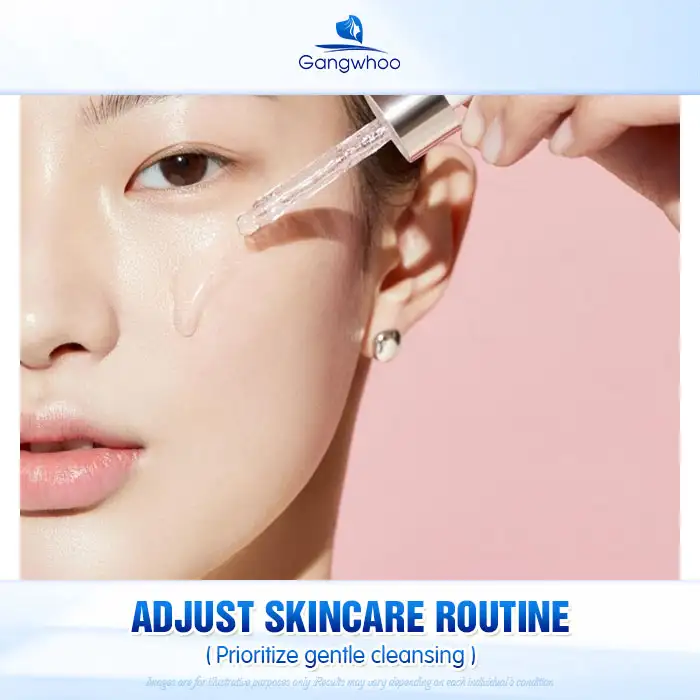
Adjusting Your Skincare Routine with a Focus on Gentle Cleansing
Topical Antibiotics: Clindamycin and erythromycin help reduce inflammation-causing bacteria.
Prescription Retinoids: Adapalene and tretinoin provide stronger skin renewal effects than over-the-counter products.
Oral Antibiotics: Doxycycline or minocycline for widespread inflammatory acne.
Hormonal Therapy: Intended for women whose acne is caused by hormonal imbalances.
Isotretinoin (Accutane): Indicated for severe, cystic, or persistent acne.
All oral medications should be monitored by a dermatologist to ensure safety.
Advanced Acne Treatment Technologies at Gangwhoo Cosmetic Hospital
At Gangwhoo Cosmetic Hospital, advanced treatment protocols are personalized to address acne at its source and prevent long-term recurrence:
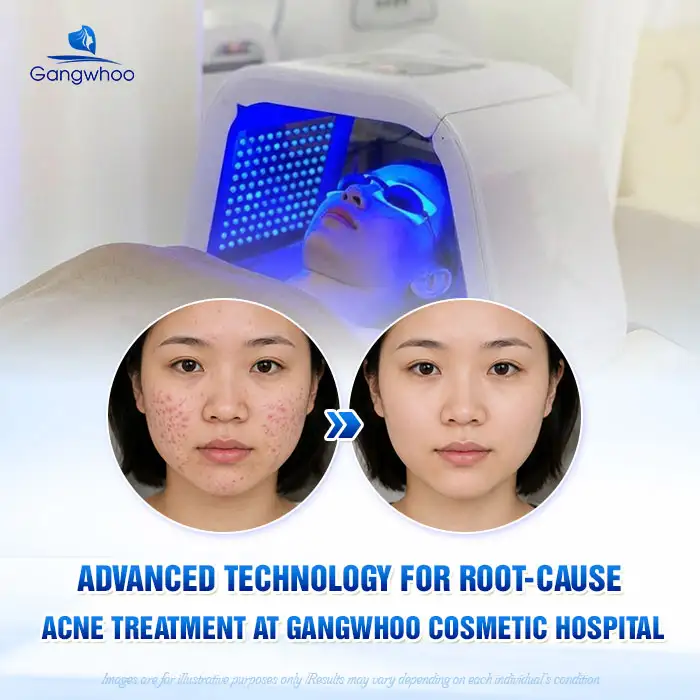
Comprehensive Acne Treatment with Advanced Technologies at Gangwhoo Cosmetic Hospital
Laser Gold: Reduces inflammation, dries acne lesions, and rapidly eliminates P. acnes. Highly effective for moderate to severe inflammatory acne.
Skin Get – IPL: Stabilizes sebaceous gland activity, supports treatment of comedonal acne, and reduces post-acne redness.
Medical-Grade Chemical Peels: Promote cellular regeneration, accelerate comedone extraction, brighten the skin, and improve post-acne pigmentation.
Cold Plasma Therapy: Eliminates bacteria deep within the skin, shortens recovery time, and reduces the risk of widespread inflammation.
Medical-Grade Acne Extraction: Ensures safety and minimizes scarring—an important factor in the treatment of cystic and inflammatory acne.
By combining multiple technologies, Gangwhoo’s treatment protocols comprehensively address excess oil, bacteria, inflammation, pigmentation, and acne scars.
How to Prevent Acne
Proper prevention can reduce the risk of recurrence by 60–70%, especially for individuals with naturally oily skin:
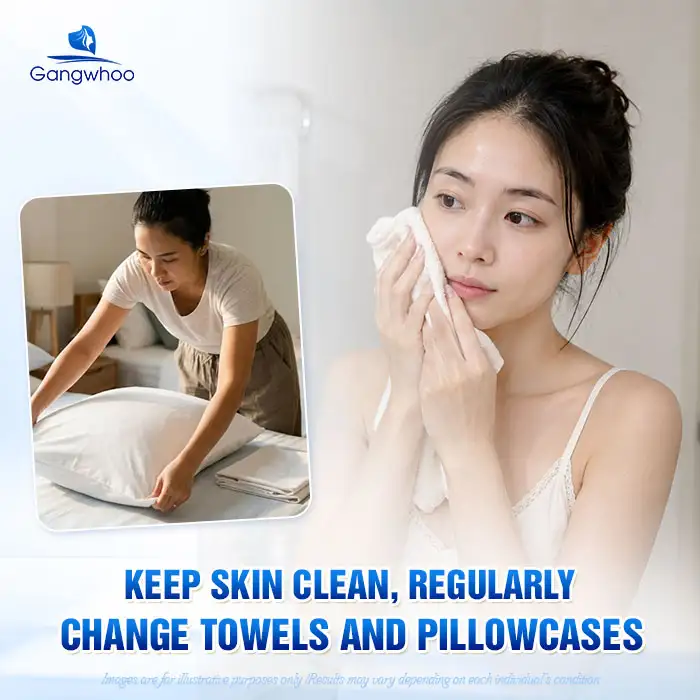
Keep Your Skin Clean and Replace Towels and Pillowcases Regularly
Always remove makeup daily, even if you do not wear makeup.
Keep your skin clean and replace towels and pillowcases regularly.
Use non-comedogenic cosmetics.
Avoid touching your face.
Limit sugar, dairy products, and fried foods; increase vegetables and water intake.
Sleep early to maintain hormonal balance.
Exercise for 20–30 minutes per day.
Reduce stress, which is one of the factors that can trigger inflammatory acne flare-ups.
Important Considerations During Acne Treatment
To achieve optimal treatment results, you should avoid:
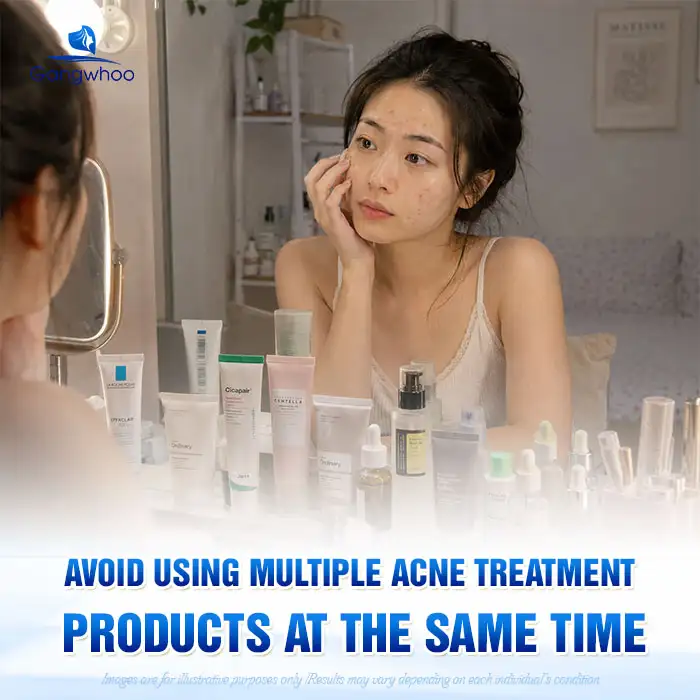
Avoid Using Multiple Acne Treatment Products Simultaneously
Using too many acne treatment products at the same time, which can easily cause irritation.
Washing your face excessively, which may stimulate increased oil production.
Squeezing pimples at home, which increases the risk of hyperpigmentation and acne scars.
Failing to use sunscreen while using AHA/BHA or retinol products.
Frequently changing skincare products, which can destabilize the skin.
Stopping treatment as soon as acne improves, leading to recurrence.
Acne treatment requires patience and continuous monitoring to make appropriate adjustments.
To effectively treat acne, you must accurately determine its severity and choose the appropriate treatment method. If you have tried multiple acne treatment methods at home without improvement—especially for inflammatory acne, pustular acne, or cystic acne—you should visit Gangwhoo Cosmetic Hospital for a professional skin analysis and a personalized advanced treatment plan.
Gangwhoo Cosmetic Hospital provides comprehensive modern acne treatment technologies, including Laser Gold, IPL, medical-grade chemical peels, Cold Plasma Therapy, LED Phototherapy, and medical-grade acne extraction procedures—helping address acne at its source and minimize long-term recurrence.