Causes of Cystic Acne and How to Treat It Without Leaving Unsightly Scars
Ngo Huynh Lam
Asked: 01/06/2026
Hello Doctor, recently I have developed cystic acne on my chin and cheeks. The pimples are large and very painful. What worries me most is the possibility of developing atrophic acne scars. Could you please advise me on the causes of cystic acne and the appropriate treatment methods to prevent scarring? I would like to receive proper treatment from the very beginning.
Hello, cystic acne is one of the most severe forms of acne and one of the most concerning because it causes significant swelling, pain, is difficult to treat, and is especially prone to leaving atrophic scars if handled incorrectly. To better understand the causes of cystic acne and treatment methods, the doctor will provide a comprehensive medical explanation to help you learn how to care for your skin safely at home and recognize when professional treatment is necessary. :contentReference[oaicite:0]{index=0}
Causes of Cystic Acne
Cystic acne develops when hair follicles become deeply clogged, combined with the excessive growth of Cutibacterium acnes, leading to severe inflammation that causes red, swollen, painful lesions and may spread to surrounding areas. From a medical perspective, the doctor explains the causes of cystic acne and treatment methods as follows:
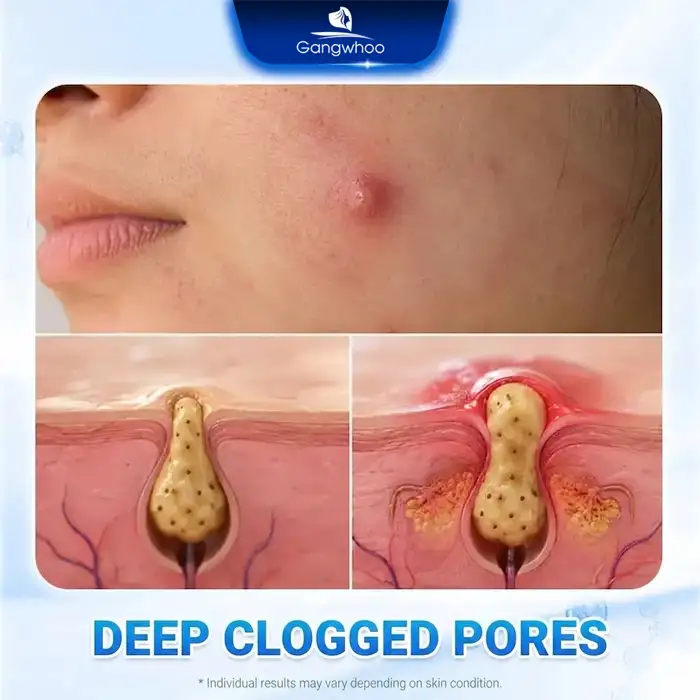
Deep pore blockage:
Deep pore blockage is one of the causes of cystic acne.
When excess sebum combines with dead skin cells, dirt, and cosmetic residue, severe blockage occurs, causing acne to develop deep beneath the skin and form large inflammatory lesions—the hallmark of cystic acne.
Overgrowth of P. acnes bacteria:
These bacteria naturally exist on the skin, but when trapped in clogged pores, they multiply rapidly and trigger intense inflammation, causing pain and swelling.
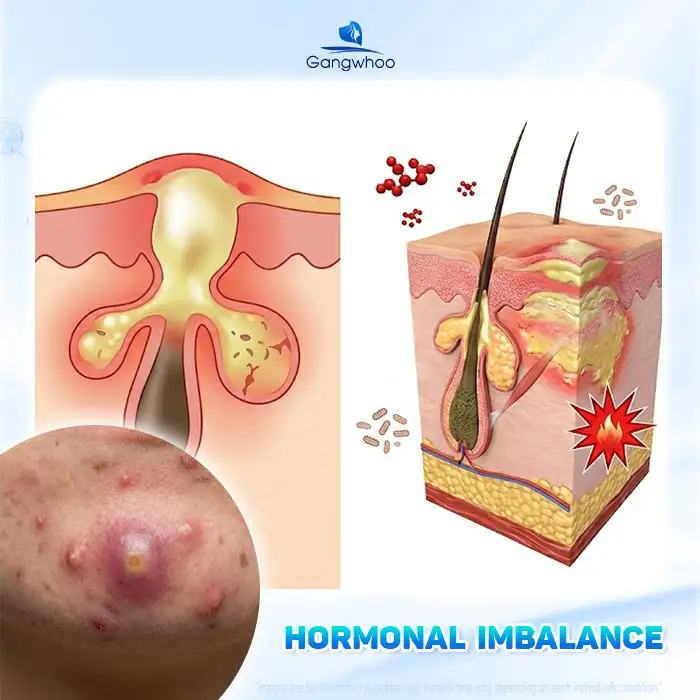
Elevated androgen levels stimulate sebaceous glands. This is why cystic acne commonly occurs during puberty, menstruation, periods of stress, sleep deprivation, or in individuals with PCOS.
Use of pore-clogging cosmetics:
Cosmetics containing silicone, mineral oil, or inadequate makeup removal can contribute to the development of cystic acne.
Poor lifestyle habits:
Irregular lifestyle habits can also contribute to cystic acne.
A diet high in sugar, dairy products, and greasy foods, combined with late nights and stress, increases the production of hormones that stimulate oil glands.
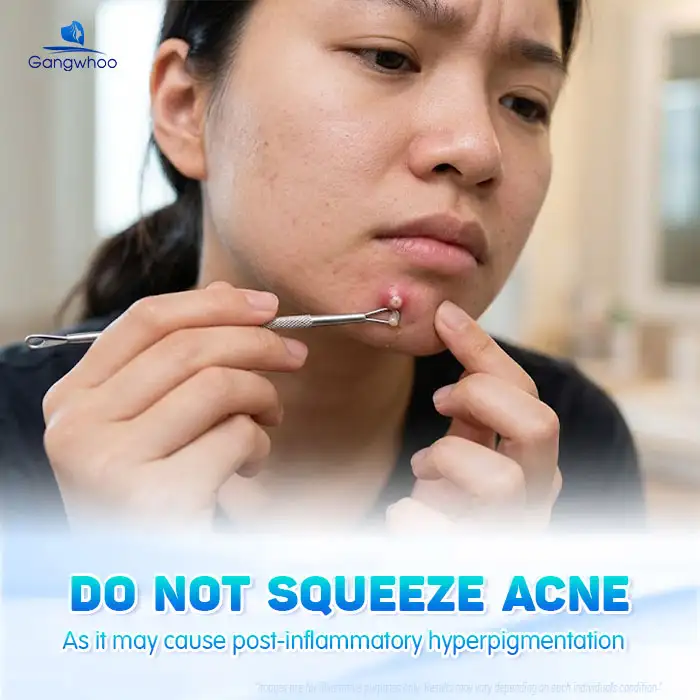
Improper pimple extraction:
Avoid squeezing pimples, as it can easily cause post-inflammatory hyperpigmentation.
This is a major reason why ordinary acne progresses into cystic acne, leading to widespread inflammation and acne scarring.
Understanding these causes helps in selecting the appropriate treatment approach and avoiding products that may worsen the condition.
Effective and Safe Treatments for Cystic Acne
Treatment for cystic acne should follow two approaches: proper at-home treatment for mild cases and medical intervention when lesions are large, painful, or persist for several days.
How to Treat Cystic Acne at Home
For newly developed cystic acne that contains little pus and has not spread extensively, you may apply the following 11 methods:
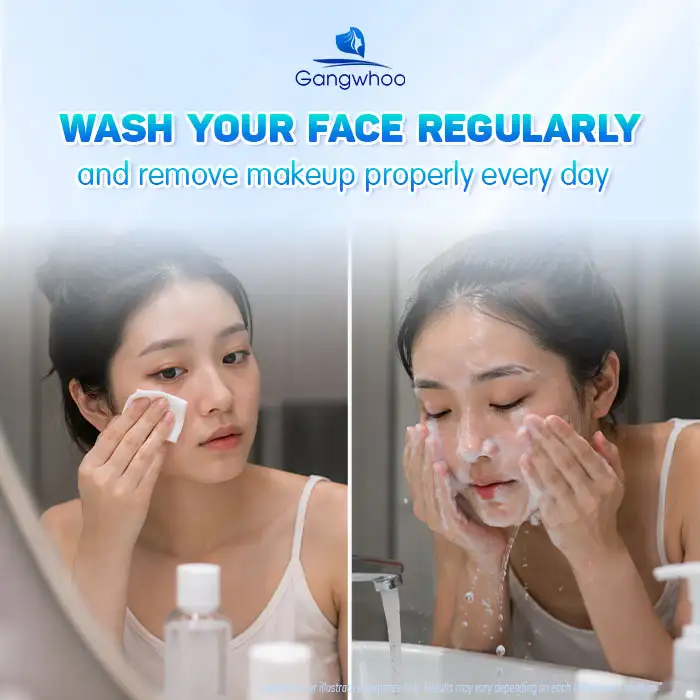
Cleanse your face regularly and remove makeup properly every day.
Cold compresses to reduce swelling: Help constrict blood vessels, relieve pain, and limit the spread of inflammation.
Gentle facial cleansing: Use a fragrance-free cleanser with a pH of 5.5 to avoid irritation.
BHA (Salicylic Acid 0.5–2%): Deeply cleans pores and helps cystic acne resolve more quickly.
Benzoyl Peroxide 2.5%: Eliminates acne-causing bacteria and effectively reduces swelling.
Low-dose retinoids: Help regulate skin cell turnover and reduce the formation of new acne lesions.
Aloe vera gel or normal saline solution: Soothes the skin, reduces redness, and provides mild anti-inflammatory benefits.
Avoid squeezing pimples: Extracting cystic acne almost always results in scarring or severe hyperpigmentation.
Daily sun protection: UV rays increase pigmentation and slow the healing process.
Healthy diet: Reduce sugar, cow’s milk, and fast food intake; increase vegetables and water consumption to reduce systemic inflammation.
Get enough sleep and reduce stress: Cystic acne is highly responsive to cortisol levels, so maintaining a healthy lifestyle can significantly improve the skin.
These methods are suitable for mild cystic acne. If there is no improvement after 3–5 days, or if the acne becomes more painful or widespread, professional treatment is recommended.
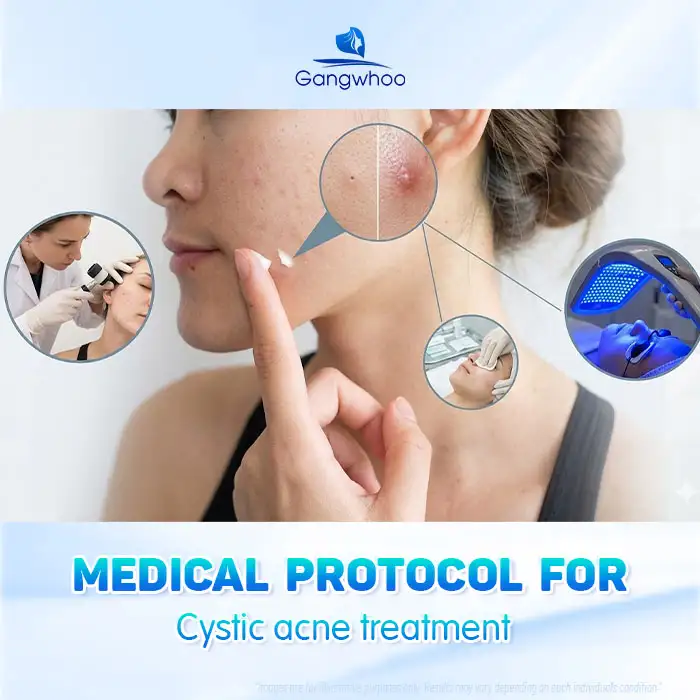
Medical Treatment Protocols for Cystic Acne
For moderate to severe cystic acne, doctors typically recommend comprehensive treatment protocols that include:
Medical treatment protocols for cystic acne.
Topical antibiotics: Clindamycin or erythromycin help reduce localized inflammation.
Oral antibiotics: Doxycycline or minocycline may be prescribed for widespread cystic acne.
Prescription retinoids (tretinoin, adapalene): Normalize follicular keratinization and reduce recurrence.
Hormonal therapy: Recommended for women with signs of hormonal imbalance.
Medical-grade comedone extraction: Helps drain inflammatory lesions, reduce pain, and minimize the risk of scarring.
In addition, Gangwhoo Cosmetic Hospital offers advanced technologies that effectively support cystic acne treatment:
Gold Laser: Rapidly reduces inflammation and helps dry out cystic acne lesions.
Cold Plasma: Deep antibacterial action and soothing effects on inflamed tissue.
LED Light Therapy: Soothes the skin and supports recovery.
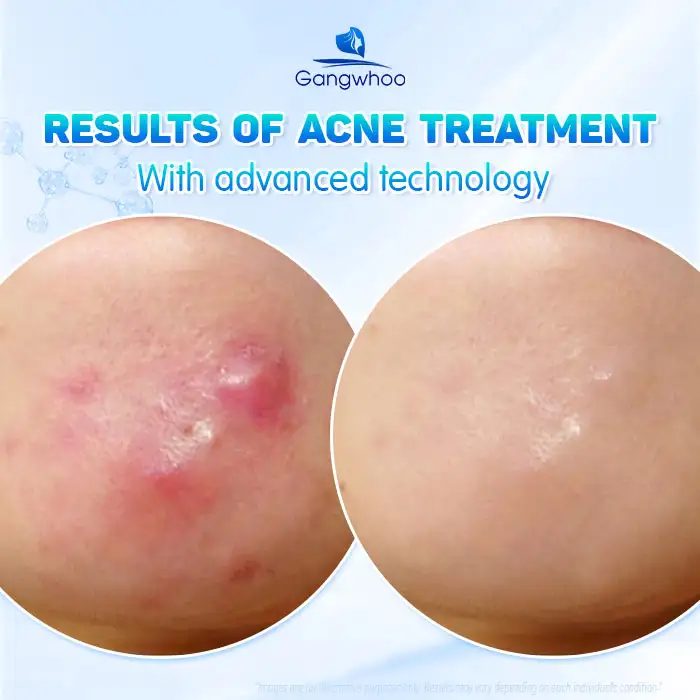
These methods provide comprehensive cystic acne treatment, shorten recovery time, and minimize hyperpigmentation and scarring.
How to Prevent Cystic Acne Recurrence
To prevent cystic acne from returning, maintain the following habits:
Use gentle, fragrance-free facial cleansers to avoid skin irritation.
Cleanse your face and remove makeup properly every day.
Limit the use of pore-clogging cosmetics.
Keep the skin hydrated and regularly support skin barrier repair.
Avoid touching your face with your hands.
Replace pillowcases and face masks frequently.
Maintain a healthy diet and consistent sleep schedule.
Avoid prolonged stress.
Do not self-extract acne or use products of unknown origin.
A healthy skin barrier is a key factor in reducing acne outbreaks.
Important Notes During Cystic Acne Treatment
During treatment, please keep the following in mind:
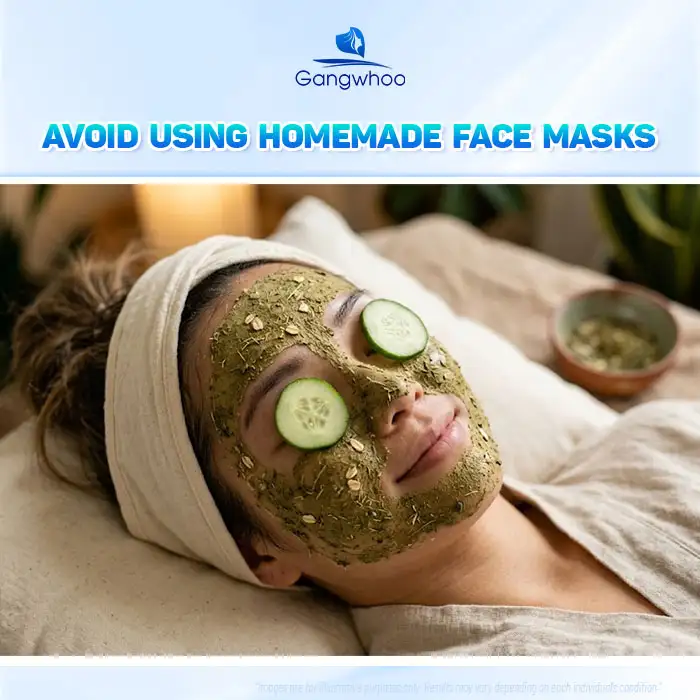
Never apply homemade facial masks, as they may worsen cystic acne.
Do not use too many acne treatment products simultaneously.
Avoid homemade face masks that may cause irritation.
Do not use alcohol-based products or scrub the skin aggressively.
Use products at the appropriate frequency to prevent excessive dryness and peeling.
Apply sunscreen daily.
Remain consistent with treatment for at least 6–8 weeks to see results.
Cystic acne requires controlled treatment and cannot disappear overnight. Proper treatment methods and patience are essential.
Cystic acne is a severe form of acne and can easily leave scars if not treated appropriately. Understanding the causes and treatment of cystic acne will help you choose the most suitable treatment approach. If your cystic acne persists, becomes increasingly painful, causes significant swelling, or leaves deep post-inflammatory marks, you should visit Gangwhoo Cosmetic Hospital for professional skin analysis, proper management of inflammatory lesions, and treatment with advanced technologies.