Can you eat mango after double eyelid surgery? Benefits of eating mango after eyelid surgery
Thanh Tuyen
Asked: 03/03/2026
Doctor, my name is Thanh Tuyền. I had double eyelid surgery 5 days ago and am currently following a restricted diet. I’ve heard that mango is rich in vitamin C, which helps wounds heal faster, but some people say it may cause darkening of scars. I’m quite confused. Doctor, may I ask whether I can eat mango after double eyelid surgery and, if consumed properly, does it benefit the recovery process?
Hello, I understand that after double eyelid surgery, many patients are concerned about their diet, especially fruits such as mango. Choosing the right foods will help the incision heal faster, maintain soft and natural eyelids, and reduce swelling and bruising. Below is the professional explanation regarding the question can you eat mango after double eyelid surgery that you are concerned about.
Can you eat mango after double eyelid surgery?
According to medical advice, you can absolutely eat mango after double eyelid surgery, but attention should be paid to portion size and timing. Mango is rich in vitamin C and antioxidants, which help boost the immune system and stimulate collagen regeneration, thereby supporting faster wound healing and minimizing unfavorable scarring.
However, there are several important considerations:
Mango can be consumed after eyelid surgery, but choose ripe mango and eat in moderation
Choose ripe, soft mango and avoid unripe mango, as it may cause gastric irritation.
Consume in moderation; avoid eating excessive amounts at once to prevent sudden blood sugar spikes, which may lead to fluid retention and prolonged eyelid swelling.
Avoid consumption if the wound remains severely swollen or has significant discharge, as the body is focusing on inflammation control; overly sour or overly sweet foods may slow the recovery process.
So, double eyelid surgery — can you eat mango afterward? The answer is yes, but it must be consumed appropriately to optimally support recovery.
Benefits of eating mango after double eyelid surgery
Here is a detailed explanation:
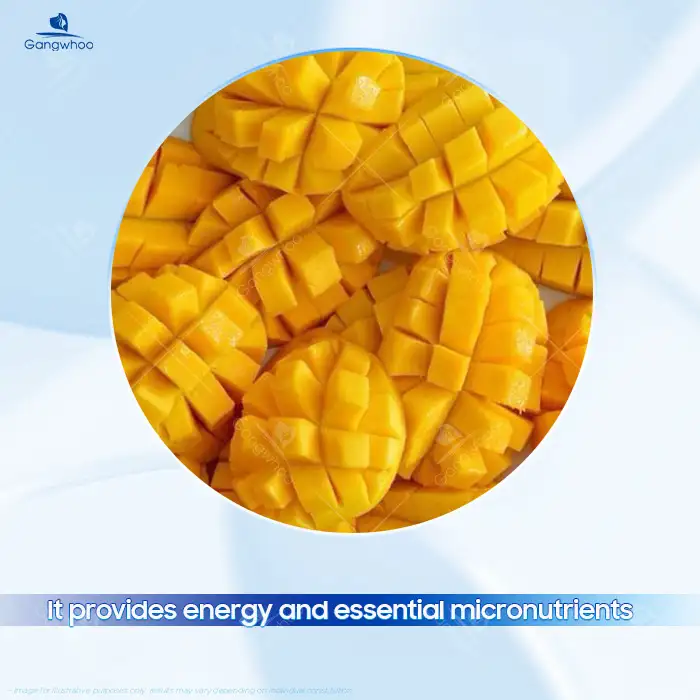
Provides essential energy and micronutrients
Enhances collagen production: The vitamin C in mango stimulates collagen regeneration, helping the eyelids remain soft and the crease line appear more natural.
Supports swelling reduction and anti-inflammatory response: Antioxidants in mango help reduce postoperative inflammatory reactions, thereby decreasing bruising and swelling more quickly.
Provides essential energy and micronutrients: After eyelid surgery, the body requires additional vitamins, minerals, and natural sugars to strengthen immunity and promote faster wound healing.
In summary, mango is not only a refreshing fruit but also plays an important role in a post–double eyelid surgery nutritional regimen when consumed appropriately.
Other fruits recommended after double eyelid surgery besides mango
In addition to mango, you may supplement other fruits rich in vitamin C and antioxidants such as:
Other fruits to consider besides mango
Oranges, tangerines, grapefruit: Help boost immunity and promote wound healing.
Strawberries, blueberries: Rich in flavonoids that provide anti-inflammatory and anti-swelling benefits.
Ripe papaya: High in vitamins A and C, supporting skin regeneration and soft eyelid creases.
Note: Consume fresh, ripe fruits and limit excessively sour or very cold fruits, especially during the first postoperative days, to avoid mucosal irritation and prolonged swelling.
Can you eat mango after double eyelid surgery? The answer is yes, but it should be consumed properly and combined with other vitamin C–rich fruits to accelerate recovery, reduce swelling and bruising, and help achieve a naturally beautiful eyelid crease.
If you need nutritional consultation or postoperative eyelid evaluation, you may contact Gangwhoo Cosmetic Hospital. Here, doctors apply microsurgical endoscopic double eyelid technology combined with a proprietary Plasma device, ensuring soft, balanced eyelid contours and rapid recovery, along with detailed postoperative care and nutritional guidance tailored to each patient.