What Causes Bleeding After Double Eyelid Surgery? How Should It Be Managed?
Hoa Linh
Asked: 05/03/2026
Doctor, my name is Hòa Linh. I had double eyelid surgery 3 days ago, but this morning I noticed a small amount of blood oozing from the incision site. When I gently wiped it with a cotton swab, it felt slightly stinging and I became quite worried. I don’t know whether this is normal or a sign of complications. Could you please tell me the reasons why bleeding occurs after double eyelid surgery and how to manage it to stop the bleeding and avoid infection?
Hello, after double eyelid surgery, if you notice slight bleeding or oozing in the eyelid area, many people become worried about whether it is abnormal, dangerous, or may affect the aesthetic result. The doctor will help you clearly understand the causes of bleeding after double eyelid surgery, safe management methods, and proper medical care instructions to help your eyelids recover quickly.
What causes bleeding after double eyelid surgery?
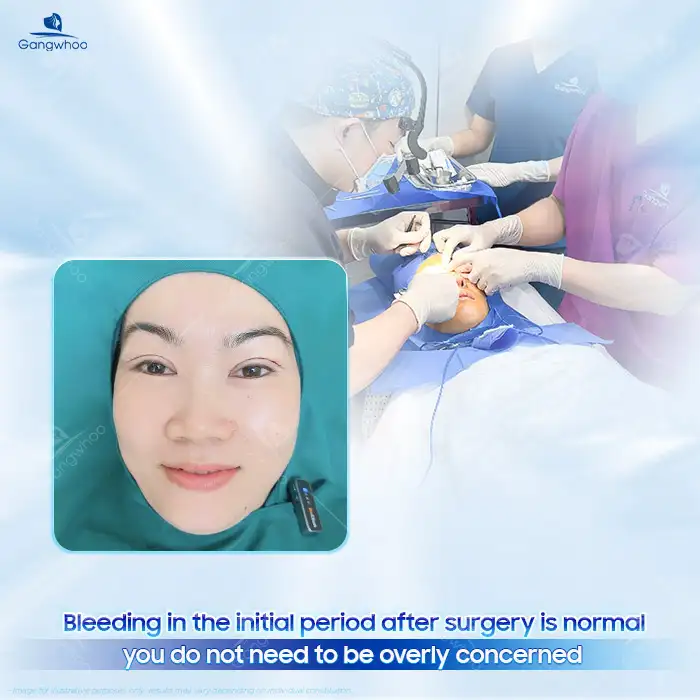
First of all, the doctor confirms that slight bleeding after double eyelid surgery is a phenomenon that may occur within the first 24 – 48 hours after surgery and is usually not a major concern if the amount of blood is very small and only slightly oozes at the suture site.
This phenomenon occurs because during double eyelid surgery, the soft tissues and small blood vessels around the eye area are affected. Although the doctor carefully controls bleeding during surgery, some tiny capillaries may continue to release a small amount of fluid or blood after the patient returns home, especially when engaging in strong physical activity, bending the head downward, or applying cold compresses incorrectly.
However, if you notice heavy bleeding from the eyelid surgery site, continuous bleeding lasting more than 1–2 hours, or accompanied by unusual swelling and pain, this may indicate damage to a larger blood vessel, subcutaneous hematoma, or an opened suture. In this case, you should immediately visit a reputable medical facility or cosmetic hospital so the doctor can examine and manage it promptly.
According to the experience of doctors at Gangwhoo Cosmetic Hospital, cases performed using microsurgical endoscopic technology with the exclusive Plasma scalpel usually minimize postoperative bleeding. The Plasma scalpel helps perform precise incisions while simultaneously coagulating blood vessels, reducing tissue trauma so the wound dries quickly and recovers safely.
How to handle bleeding after double eyelid surgery
When you notice bleeding after double eyelid surgery, you should stay calm and follow proper medical guidance, and absolutely avoid handling the wound with bare hands or non-sterile tools. Specifically:
Use clean gauze or sterile medical cotton to gently absorb the blood around the eye area
Use clean gauze or sterile medical cotton to gently absorb the blood without rubbing.
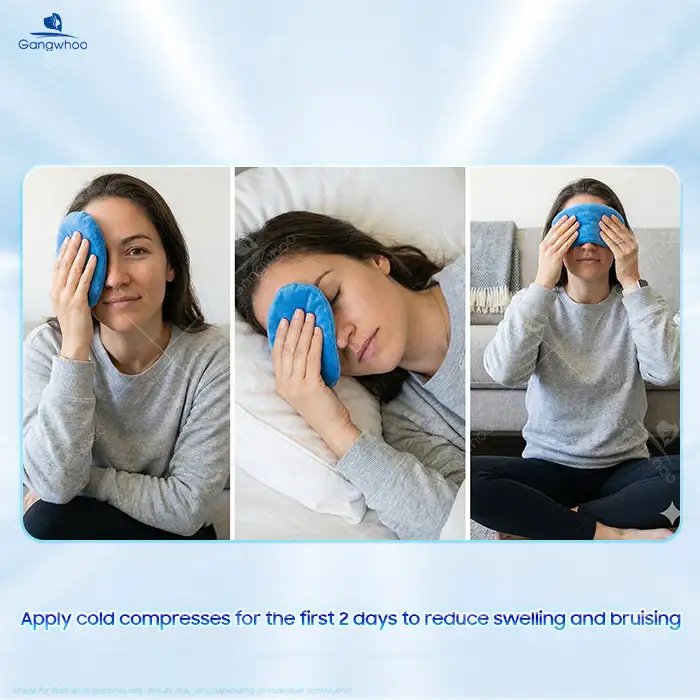
Apply a gentle cold compress around the eye area (do not allow water or ice to directly contact the incision). This helps constrict blood vessels, reduce swelling, and prevent further bleeding.
Sit or lie with your head positioned higher than your heart, avoiding bending your head downward as it increases blood pressure in the eye area.
Absolutely avoid strong impact on the eyelid area, do not rub your eyes, and do not wash your face with water during the first 3–5 days.
If the bleeding continues or there are signs of hematoma or widespread dark bruising, you should visit Gangwhoo Cosmetic Hospital or the nearest medical facility immediately so a doctor can examine and properly control the bleeding.
Doctors advise that you should not use hemostatic or anti-inflammatory medications on your own without medical instructions, as it may affect the healing process and aesthetic outcome.
Proper care after double eyelid surgery
To prevent bleeding after double eyelid surgery from recurring and to help the wound heal faster, you should follow these care instructions:
Apply cold compresses during the first 2 days to reduce swelling and bruising around the eyes
Apply cold compresses during the first 2 days, then warm compresses from day 3 onward to promote blood circulation and reduce swelling.
Keep the incision dry, clean it with saline solution, and apply antibacterial ointment as instructed by your doctor.
Avoid strenuous activities, do not lie face down, bend deeply, or carry heavy objects during the first week.
Avoid foods that may cause keloids or prolonged bleeding such as beef, seafood, sticky rice, water spinach, spicy foods, coffee, alcohol, and beer.
Sleep early and avoid stress, as good sleep helps the body regenerate tissue faster and reduces swelling and bruising.
Attend follow-up appointments as scheduled so the doctor can monitor the recovery process and handle any abnormal signs promptly.
If the procedure is performed using microsurgical endoscopic double eyelid surgery with the exclusive Plasma scalpel at Gangwhoo Cosmetic Hospital, you can feel reassured because the incision is delicate and minimally invasive, minimizing the risk of bleeding and hematoma, helping the eyelids stabilize quickly within 5–7 days.
Mild bleeding after double eyelid surgery is a normal physiological phenomenon during the healing process. However, if the bleeding is heavy, prolonged, or accompanied by unusual swelling and pain, you should visit a doctor immediately for examination.
To minimize risks, you should choose a reputable facility that applies microsurgical endoscopic double eyelid technology with the exclusive Plasma scalpel such as at Gangwhoo Cosmetic Hospital. Modern technology, medically trained surgeons, and strict sterile procedures will help you achieve naturally beautiful eyes safely without postoperative complications.