Can you eat corn after eyelid surgery? Important dietary notes when eating corn
Nguyen Hong Nhung
Asked: 12/02/2026
Hello doctor, I had eyelid surgery just over a week ago, and my wound is currently in the healing stage, so I am being very careful with my diet. I have heard that certain foods such as sticky rice dishes, chicken, and water spinach should be avoided, but I am not sure whether I can eat corn after eyelid surgery. I really enjoy boiled corn and grilled corn, so I would like to ask whether eating corn affects the wound healing process or causes hypertrophic scarring. If corn is allowed, are there any special preparation methods I should pay attention to?
Hello, after eyelid surgery, diet plays a very important role in helping the wound heal quickly, reducing inflammation, swelling, and poor scarring. Many patients after surgery often wonder “can you eat corn after eyelid surgery” and whether it may affect the recovery process. Below, the doctor will explain in detail so you can better understand.
Can you eat corn after eyelid surgery?
The doctor’s answer is that after eyelid surgery, you can completely eat corn, but it is recommended to eat it only after about 7–10 days, when the wound has dried, the skin has closed, and there are no longer signs of redness or swelling. Corn is rich in B vitamins, fiber, magnesium, zinc, and antioxidants that help strengthen immunity and support tissue regeneration. Therefore, eating corn at the right time can even help the eyelids heal faster.
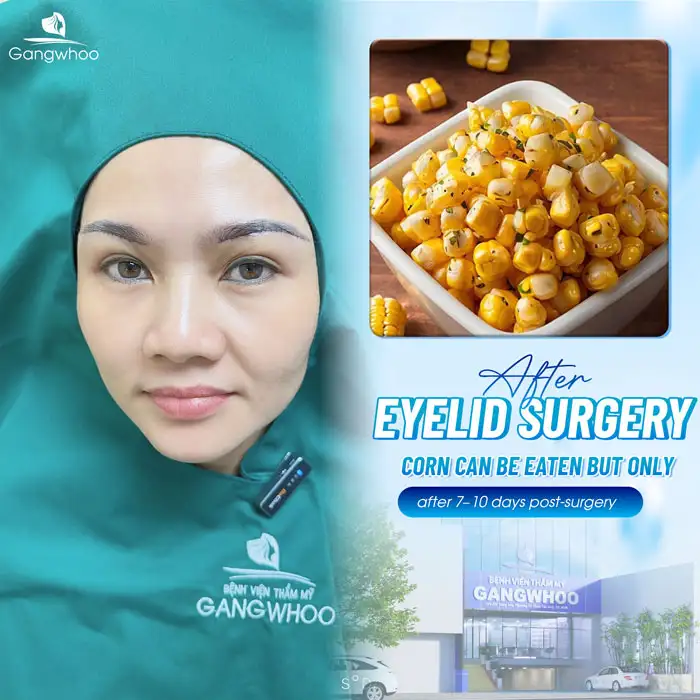
After eyelid surgery, corn can be eaten but should only be consumed 7–10 days after the procedure
However, if eaten too early (within the first 3–5 days after surgery), types such as sticky corn, glutinous corn, or fresh corn may cause slight pulling of the wound during chewing. This can place tension on the eyelid sutures, slow drying, and increase the risk of scarring. Therefore, doctors advise avoiding corn during the first week after eyelid surgery and only resuming consumption once the eyelids are stable, no longer painful, and without discharge.
In summary, can you eat corn after eyelid surgery – yes, but it must be eaten at the right time and prepared properly to avoid affecting the aesthetic outcome.
Benefits of eating corn after eyelid surgery
Once the eyelids have stabilized, adding corn to your diet can provide many significant benefits:
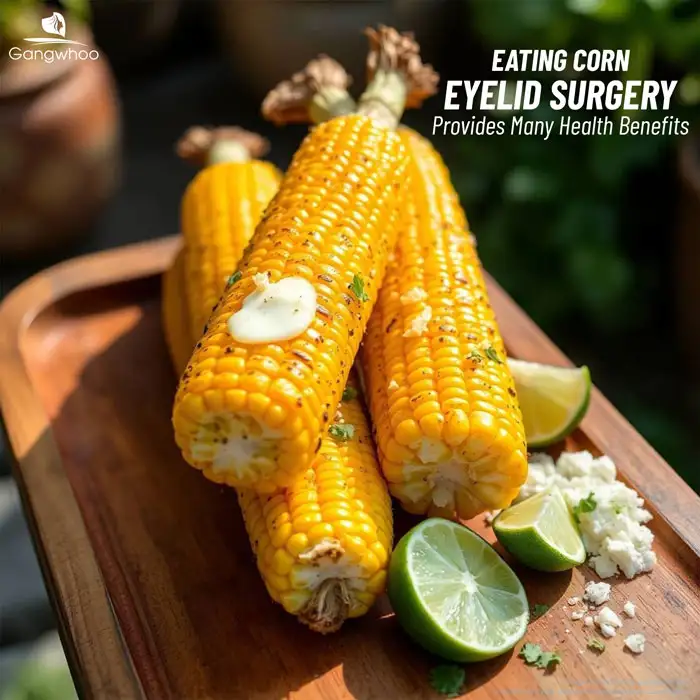
Eating corn after eyelid surgery offers many health benefits
Promotes wound healing: Corn contains high levels of vitamins B1, B5, and B9, which help accelerate tissue and skin cell recovery.
Reduces the risk of hypertrophic scarring: Antioxidants such as lutein, zeaxanthin, and beta-carotene help protect the eyelid skin from oxidative damage and support scar fading.
Improves blood circulation: Magnesium and potassium in corn enhance blood flow, increase oxygen supply to the surgical area, and help the eyelids recover faster with more even skin tone.
Boosts immunity after surgery: Thanks to its rich nutritional content, corn helps strengthen the body and reduce the risk of infection after eyelid surgery.
Therefore, when consumed at the right time and in moderation, corn is very beneficial for individuals who have recently undergone eyelid surgery.
Important notes when preparing corn and sticky corn
When reintroducing corn into your diet after eyelid surgery, you should prioritize soft and easy-to-digest preparation methods, such as:
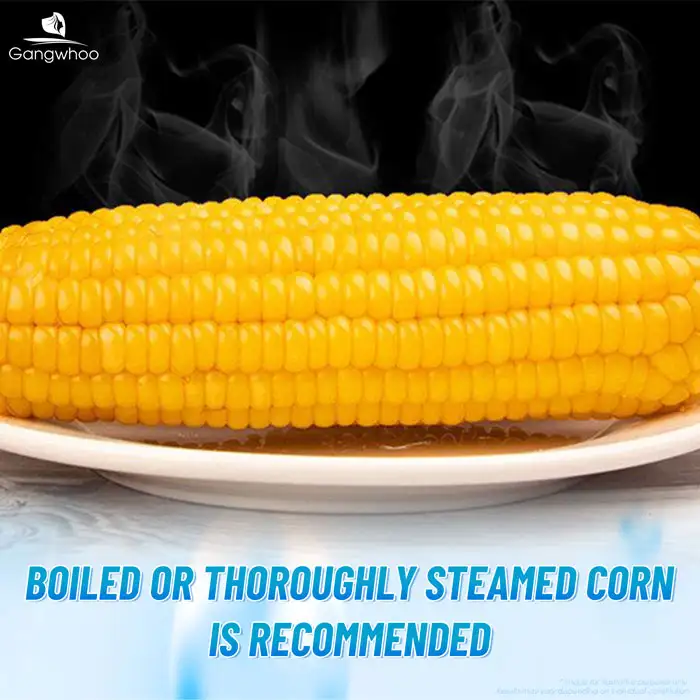
Boiled or thoroughly steamed corn is recommended
Boiling or thoroughly steaming instead of grilling or frying, as these methods can make corn hard and difficult to chew.
Avoid very sticky or overly chewy glutinous corn, as it may require excessive facial muscle movement and affect the eyelid area.
Avoid eating corn that is too hot, as it can increase body heat and lead to inflammation and swelling.
Consume moderate portions and combine with protein-rich foods and vitamin C to maintain balanced nutrition.
If you are prone to hypertrophic scarring, doctors recommend trying a small amount first, monitoring the reaction of the eyelid skin, and then gradually increasing intake to ensure safety.
Foods to include after eyelid surgery
In addition to corn, you should also include the following food groups to help the wound heal faster and the eyelids recover naturally:
Drink enough water daily to support optimal wound healing
Vitamin C–rich foods: Oranges, lemons, guava, and broccoli help boost collagen production and speed up skin healing.
Easily absorbed proteins: Chicken, salmon, and eggs help regenerate tissue and reduce swelling and inflammation.
Zinc- and iron-rich foods: Seafood, tofu, and whole grains support cell regeneration and reduce bruising around the eyelids.
Drink enough water every day to maintain hydration, improve skin elasticity, and speed up recovery of the eyelid area.
Doctor’s advice:
Proper nutrition after eyelid surgery not only helps the wound heal faster but also directly affects the long-term aesthetic outcome of the eyelids. If you want to ensure a safe recovery, natural-looking results, and no scarring, visit Gangwhoo Cosmetic Hospital for specialist examination and detailed postoperative care guidance.
At Gangwhoo Cosmetic Hospital, the exclusive microsurgical endoscopic Plasma eyelid surgery technique helps minimize swelling and pain, shorten recovery time, and deliver balanced, natural-looking eyelids as desired.
If you need more specific consultation regarding diet or postoperative care after eyelid surgery, you can visit Gangwhoo Cosmetic Hospital directly for thorough examination and guidance, ensuring the most optimal recovery results.