Can You Eat Squid After Double Eyelid Surgery? How Long Should You Wait Before Eating Squid?
Tra Giang
Asked: 06/03/2026
My name is Trà Giang, and I had double eyelid surgery almost two weeks ago. I know that during this period I should avoid seafood, but my family just had a party with grilled squid. I really want to eat it but I’m not sure if it’s allowed. Doctor, may I ask if eating squid after double eyelid surgery causes any problems, and if I need to avoid it, how long should I wait before it is safe to eat again?
Hello, if you are concerned about your diet after double eyelid surgery, especially whether you can eat squid after double eyelid surgery, the doctor will explain in detail so you can understand the medical basis, thereby taking proper care of your eyelids to support faster recovery and achieve optimal aesthetic results.
Can You Eat Squid After Double Eyelid Surgery?
Can you eat squid after double eyelid surgery? From a medical perspective, after double eyelid surgery, you should avoid seafood that may cause allergic or hypersensitivity reactions, including squid. The reasons are:
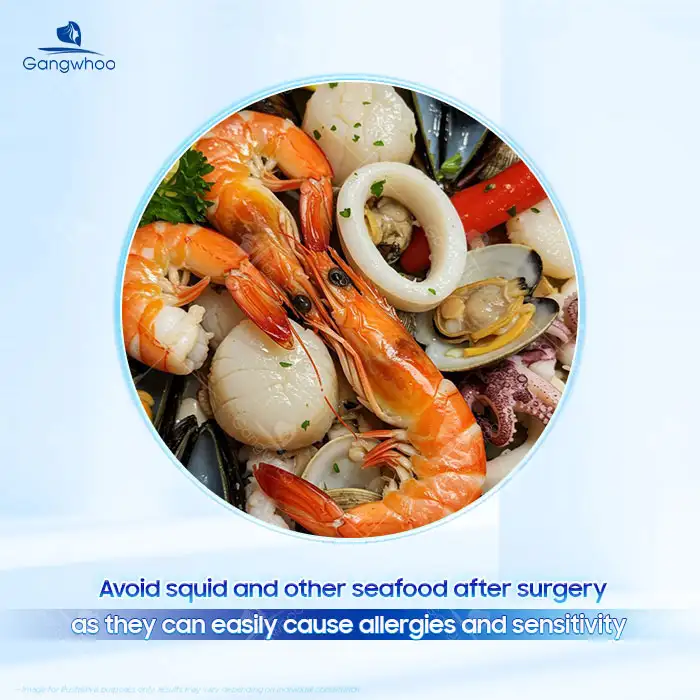
After double eyelid surgery, you should avoid squid and seafood because they may cause allergies and hypersensitivity
Squid contains many foreign proteins that may trigger inflammatory reactions in the body, causing the eyelid incision to become red, swollen, and slower to heal.
Seafood, especially squid, may easily cause itching or allergic reactions in the sensitive eyelid area.
During the early postoperative stage, when the eyelid tissue is regenerating, eating squid may delay wound healing or lead to unaesthetic scar formation.
Therefore, it is best not to eat squid immediately after double eyelid surgery, especially during the first 2–3 weeks, when the eyelids are still swollen and the crease is stabilizing.
How Long After Double Eyelid Surgery Can You Eat Squid?
The time when you can eat squid again depends on the healing speed of the incision, your body condition, and postoperative care. Typically:
After 1 month of double eyelid surgery, you may eat squid but only in small amounts
First week: You should not eat any seafood, including squid, shrimp, crab, or sea fish.
Weeks 2–3: The incision begins to heal; you may eat small amounts of less allergenic seafood, but it is still recommended to limit squid if you are unsure whether your body may react.
After 1 month: If the eyelids recover well and the incision has healed, you may eat squid but should try a small amount first and monitor your body’s reaction.
The doctor notes that recovery speed varies from person to person, so eating squid should depend on the actual condition of your eyelids.
Other Foods to Include After Double Eyelid Surgery
To support faster recovery and achieve a natural-looking eyelid crease, you should include:
Eat plenty of fruits and green vegetables to support collagen production and reduce inflammation
Protein-rich foods: lean meat, eggs, and milk to help regenerate tissues and muscles.
Green vegetables and fruits rich in vitamins C and E: support collagen production and reduce inflammation.
Zinc-rich foods: nuts and whole grains that help wounds heal faster.
Drink enough water to maintain moisture and support skin regeneration.
At the same time, avoid foods that may cause inflammation or irritation, such as: allergenic seafood (squid, shrimp, crab, sea fish), spicy foods, alcoholic beverages, and drinks with high caffeine content.
Doctor’s Advice
If you still have questions about whether you can eat squid after double eyelid surgery, the doctor recommends visiting Gangwhoo Cosmetic Hospital for a direct consultation. Here, with endoscopic microsurgical double eyelid technology and exclusive Plasma scalpel, the doctor will evaluate the recovery condition of your eyelids, provide appropriate dietary and care instructions, ensuring natural-looking eyelid creases, faster recovery, and minimized complications.
In addition, the doctor will guide you on foods that should be included in your diet and advise you to avoid foods that may cause inflammation or allergic reactions, thereby shortening recovery time and maintaining long-lasting aesthetic results.