Why is there still significant swelling 1 month after eyelid surgery? What is the cause?
Phan Duy
Asked: 26/04/2026
I had eyelid surgery more than 1 month ago, but my eyelids are still quite swollen and do not look natural. I have applied cold compresses and taken medication as prescribed, but the swelling has not subsided. Doctor, could you please explain why there is still significant swelling 1 month after eyelid surgery? Could this be a complication, and what should I do to improve this condition?
Hello, the doctor understands your concern when the swelling has not subsided after a period of time following eyelid surgery. This is a fairly common issue after cosmetic eyelid procedures, especially when individual healing response or surgical technique is not optimal. Now, the doctor will provide a detailed analysis to help you understand why there is still swelling 1 month after eyelid surgery, the specific causes, and the appropriate solutions.
Why is there still significant swelling 1 month after eyelid surgery?
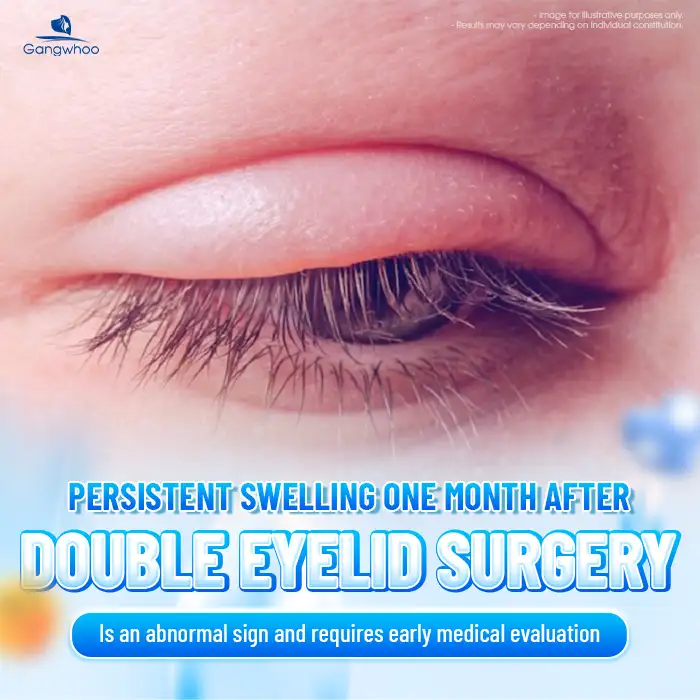
Normally, after eyelid surgery, swelling lasts only for the first 5–10 days and begins to noticeably subside after 2–3 weeks. By the 1-month mark, the wound is almost completely healed, the eyelid crease is stable, and significant swelling should no longer be present. However, if there is still swelling 1 month after eyelid surgery, this is considered an abnormal sign that requires re-evaluation.
Persistent swelling after 1 month is an abnormal sign that should be checked and addressed early
The causes may stem from prolonged inflammatory response, fluid accumulation, mild infection, or slow recovery of fibrotic scar tissue. In some cases, this condition is also related to the surgeon’s skill, surgical technique, or postoperative care.
Medically, the eyelid area has a dense capillary network and very thin skin, so even with gentle techniques, the body still requires time for tissue regeneration. However, if after 1 month the eyelids remain swollen, red, firm, or painful, this is no longer a normal physiological response and should be examined by a specialist to rule out inflammation, infection, or hematoma.
Causes of swelling 1 month after eyelid surgery
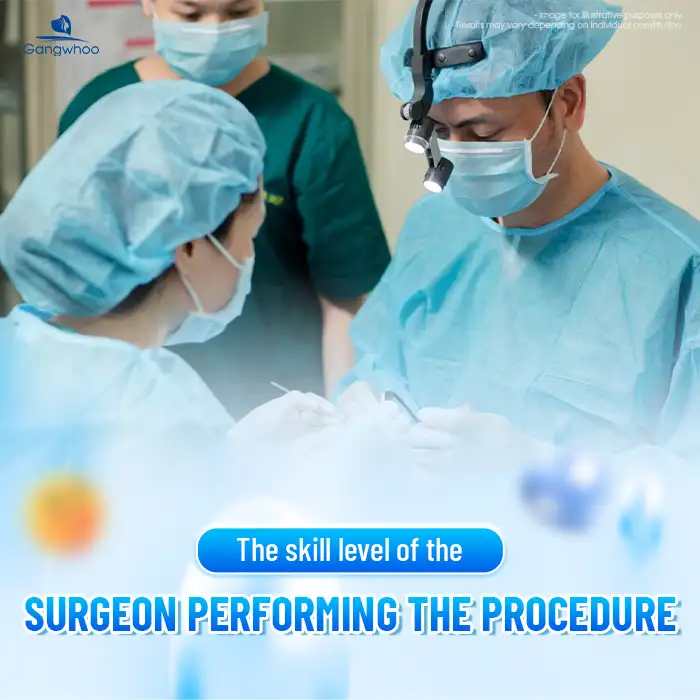
The surgeon’s skill significantly affects postoperative swelling and pain
Due to the surgeon’s skill
One of the leading causes of persistent swelling after eyelid surgery is non-standard surgical technique. If the incision is too deep, dissection is too aggressive, or excessive tissue and fat are removed, it can severely damage the eyelid area, leading to prolonged inflammation and firm swelling that is slow to recover. Additionally, improper suturing may compress blood vessels, preventing fluid drainage and causing prolonged swelling.
Due to improper postoperative care
After surgery, if you do not follow the doctor’s care instructions—such as improper cold compress application, early water exposure, consuming spicy foods, or staying up late—the recovery process may be prolonged. Wearing makeup, rubbing the eyes, or improper wound hygiene can also lead to prolonged swelling.
Due to individual healing response
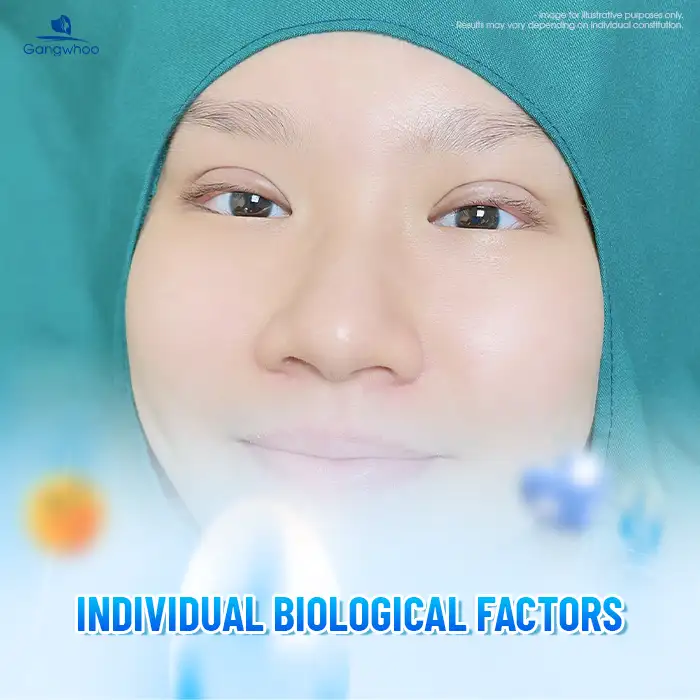
Individual healing response can also affect the level and duration of swelling
Another factor contributing to swelling after 1 month is individual healing characteristics. Some people are more prone to edema or slower tissue recovery, causing the eyelid area to take longer to stabilize. However, in such cases, the swelling is usually mild and gradually subsides over time, without signs of inflammation or pain.
How to manage swelling 1 month after eyelid surgery
If you are experiencing swelling 1 month after eyelid surgery, the doctor advises against self-medicating or applying hot compresses at home, as this may worsen inflammation. Instead, follow these steps:
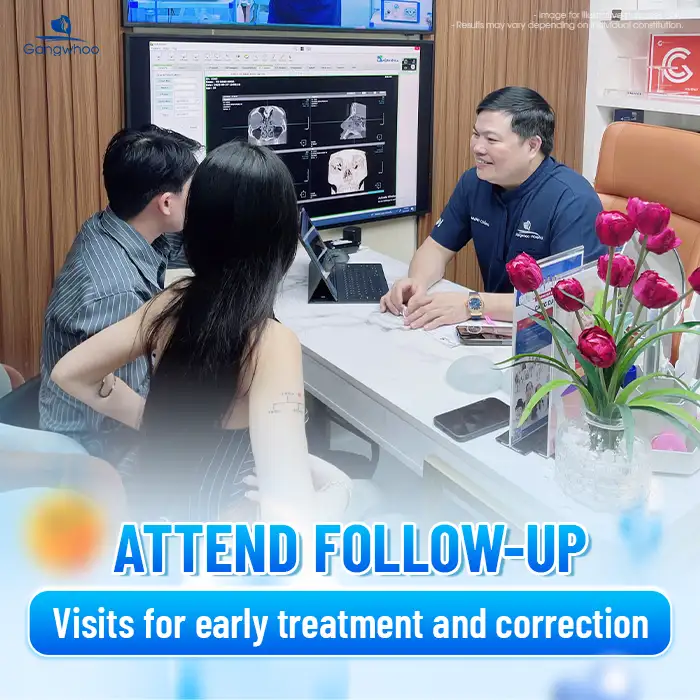
You should return for a follow-up examination to address abnormalities early
Return for a follow-up at the original facility so a specialist can determine the exact cause (fluid retention, inflammation, fibrotic scar tissue, or suture reaction).
If it is mild inflammation: The doctor may prescribe anti-inflammatory medication, anti-edema drugs, or administer injections to soften scar tissue depending on the condition.
If caused by fibrotic scar tissue or fluid accumulation: Minor surgical intervention may be needed to release adhesions or drain fluid.
Proper home care:
Apply warm compresses gently after the third week to improve blood circulation.
Avoid makeup, rubbing the eyes, or sleeping on the side that puts pressure on the eyelids.
Stay hydrated, get adequate sleep, and supplement with vitamin C and zinc to support healing.
In addition, to minimize prolonged swelling in eyelid surgery cases, Gangwhoo Cosmetic Hospital is currently applying exclusive plasma-assisted endoscopic microsurgical eyelid technique. This technology allows for extremely precise manipulation, minimizes invasiveness and tissue damage, thereby reducing swelling, minimizing pain, and shortening recovery time by 2–3 times compared to traditional methods.
Doctors at Gangwhoo advise that if your eyelids are still swollen after 1 month, you should visit the hospital for a direct examination. Each case of swelling has different causes, and only by identifying the correct cause can a safe and effective treatment plan be determined without affecting long-term aesthetic results.
If needed, you can schedule a consultation with an aesthetic eye specialist at Gangwhoo Cosmetic Hospital, where advanced plasma endoscopic microsurgical eyelid techniques are applied to create natural, proportionate, and safe results.
Would you like me to add a “Doctor’s Recommendations” section at the end (similar to the Q&A format used in Gangwhoo articles, summarizing key advice and special notes) to make this article more complete?