How Long Does Acne Treatment Take? A Doctor Explains Based on Each Severity Level
Ho My Uyen
Asked: 01/06/2026
Doctor, I have been wondering how long acne treatment usually takes to completely clear up. I have seen some people improve within a few weeks, while others require several months. I would like to know what factors affect the treatment duration and how long it takes to see improvement at different acne severity levels. Could you please explain this to me?
Hello, many people who begin acne treatment share the same question: “How Long Does Acne Treatment Take?” However, in reality, acne does not follow a fixed timeline for everyone. Each individual’s skin type, acne condition, and treatment protocol can lead to different outcomes. Therefore, to help you understand why some people improve within 2–4 weeks while others require several months, the doctor will provide a comprehensive explanation based on medical principles.
What Factors Affect the Duration of Acne Treatment?
The duration of acne treatment depends on four key factors that determine whether results appear quickly or slowly. The doctor explains them below so you can better understand the underlying causes:
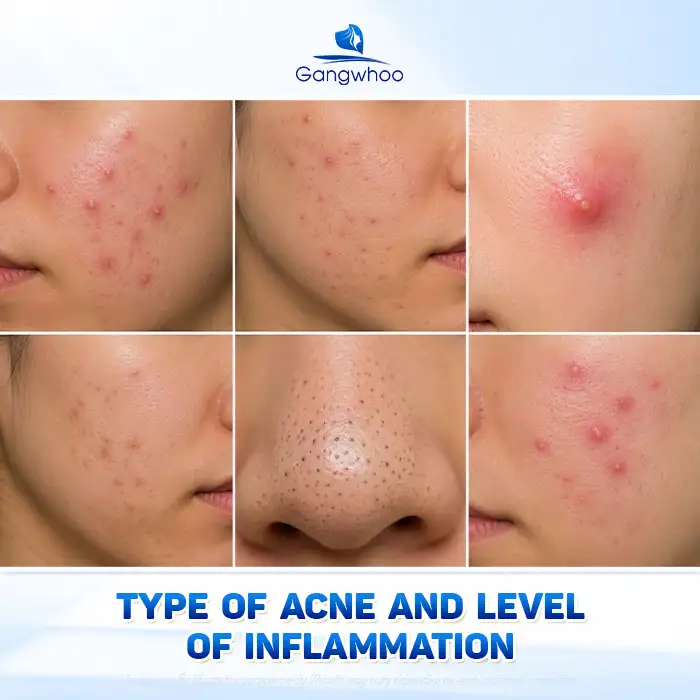
Type of acne and severity of inflammation:
Different acne types and levels of inflammation can also affect the duration of treatment.
Whiteheads and blackheads tend to improve more quickly, whereas deep inflammatory acne, cystic acne, and nodular acne require a longer treatment period because the inflammatory lesions are located deep beneath the skin. The process of reducing inflammation and healing damaged tissue occurs more slowly.
Skin characteristics and skin regeneration rate:
Some individuals have excellent skin regeneration and respond well to active ingredients, while others have sensitive or weakened skin or are prone to post-inflammatory hyperpigmentation, requiring gentler treatment protocols and a longer recovery period.
Whether the treatment protocol is appropriate:
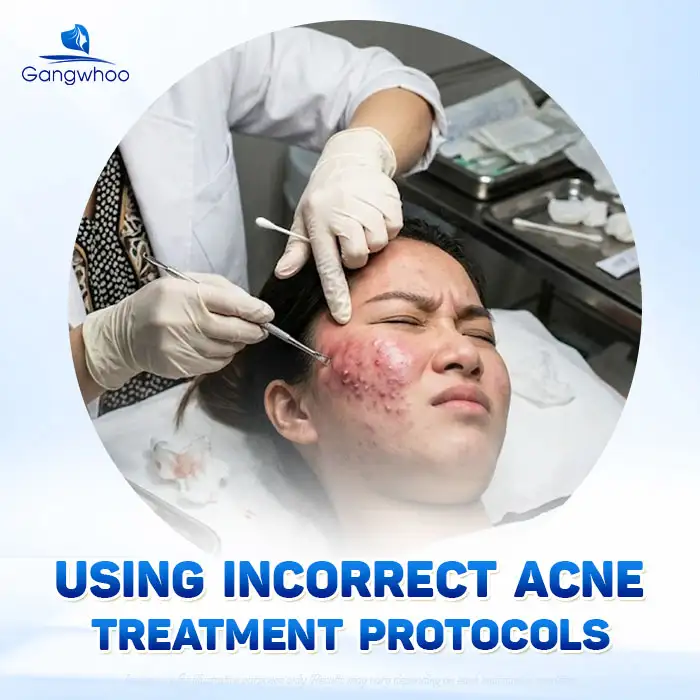
Using an incorrect acne treatment protocol can worsen the condition and significantly prolong the treatment process.
If treatment is carried out incorrectly, excessive active ingredients are used, acne is self-extracted, or cosmetic products are overused, the treatment duration can easily double.
Lifestyle habits and skincare routine:
Sleeping late, stress, consuming excessive sugar, dairy products, and fried foods, or failing to remove makeup properly can all delay recovery and increase the likelihood of acne recurrence.
Therefore, when asking “How long does acne treatment take?”, the answer must always be based on the individual’s skin condition and acne type.
Treatment Timeline by Acne Type
To make it easier to visualize, the doctor categorizes acne according to severity and estimates the average improvement timeline based on common skin responses.
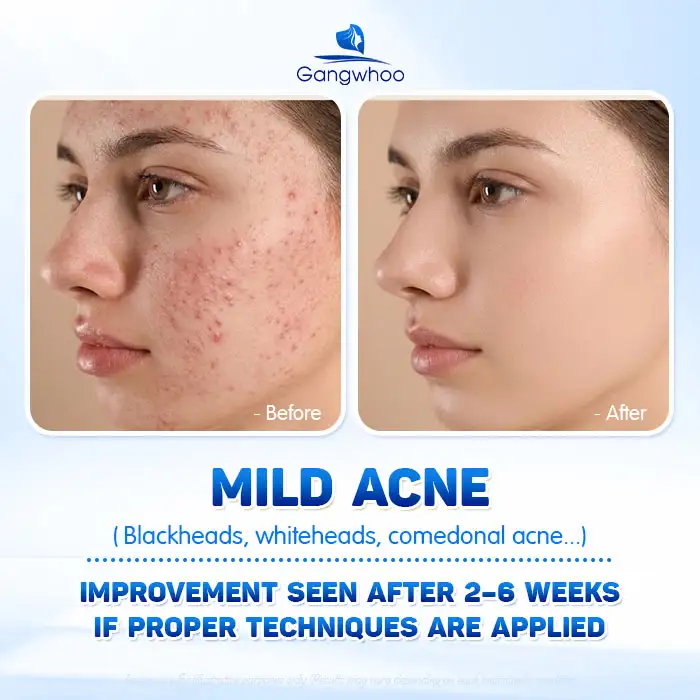
Mild Acne (Blackheads, Whiteheads, and Closed Comedones)
For mild acne without deep inflammation and with a good response to active ingredients:
Mild acne such as blackheads, whiteheads, and closed comedones can show noticeable improvement within 2–6 weeks when treated properly.
Estimated improvement period: 2–6 weeks
Depends on: BHA, retinoids, and proper skincare hygiene
When the appropriate treatment protocol is followed, acne lesions gradually dry out, surface naturally, or shrink significantly.
This category generally has the shortest treatment duration.
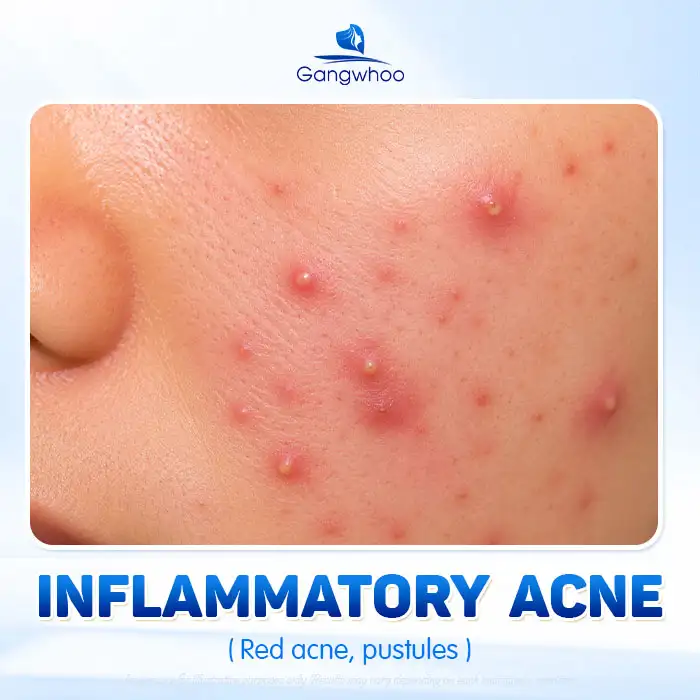
Inflammatory Acne (Red Papules and Pustules)
At this stage, the skin requires additional time for inflammation to subside and to prevent post-inflammatory hyperpigmentation:
Inflammatory acne, such as red papules and pustules, typically requires approximately 6–12 weeks of treatment.
Average treatment duration: 6–12 weeks
Requires a combination of topical antibiotics, retinoids, benzoyl peroxide, and medical-grade comedone extraction.
If treated incorrectly, inflammatory acne may progress into cystic acne.
Inflammatory acne requires the closest monitoring to prevent progression to more severe forms.
Severe and Chronic Acne (Cystic Acne, Nodular Acne, and Persistent Inflammatory Acne)
This is the most challenging form of acne, with a high risk of scarring and a need for intensive treatment over an extended period:
Average treatment duration: 3–6 months
For chronic or hormonally driven acne: treatment may extend to 6–12 months
Treatment protocols may include oral medications (antibiotics or isotretinoin), laser technology, IPL, plasma therapy, and medical-grade comedone extraction.
Severe acne requires patience and continuous monitoring by a physician.
How to Shorten Acne Treatment Time
To shorten the treatment period, doctors recommend focusing on the following six important factors:
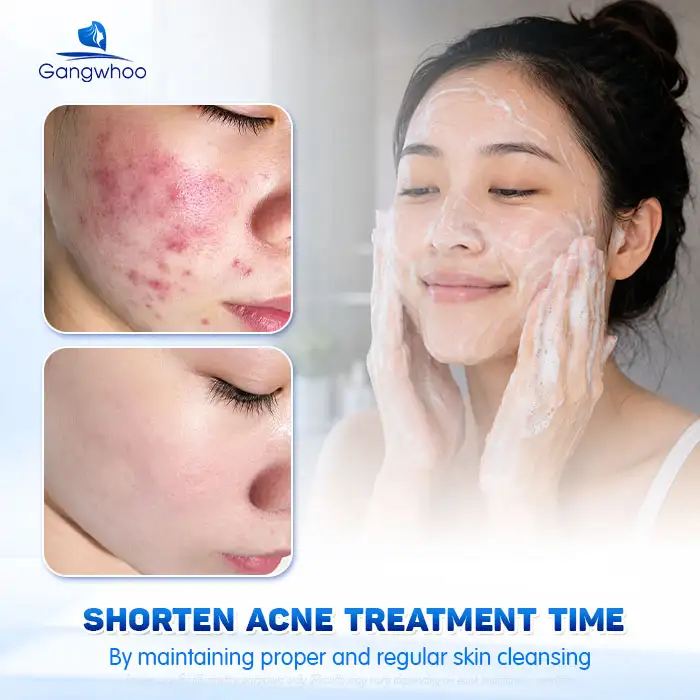
Shorten acne treatment time by consistently maintaining proper skin cleansing practices.
Cleanse the skin properly: Remove makeup daily, use a pH 5.5 facial cleanser, and avoid excessive washing.
Apply active ingredients as directed: BHA, retinoids, and benzoyl peroxide should be used at the correct time and frequency.
Use appropriate technologies: Gold Laser, IPL Skin Get, Cold Plasma, and similar technologies help accelerate lesion maturation, reduce inflammation, and minimize post-acne pigmentation.
Maintain a healthy lifestyle: Sleep early, reduce stress, limit sugar and dairy intake, and increase vegetable consumption.
Avoid changing skincare products frequently: The skin requires 2–4 weeks to adapt. Switching products too early may prevent the skin from responding properly.
When these six factors are properly combined, treatment duration may be reduced by approximately 30–40% compared with conventional treatment alone.
When Should an Acne Treatment Protocol Be Changed?
Even when treatment is heading in the right direction, the skin does not always respond optimally. You should consider changing the treatment protocol when:
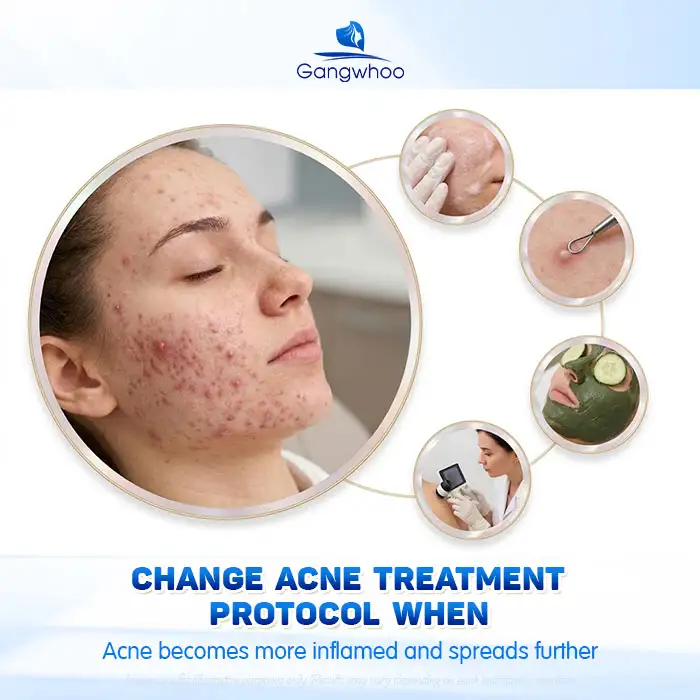
An acne treatment protocol should be changed when acne becomes increasingly severe and continues to spread.
No improvement is observed after 4–6 weeks
Inflammatory acne becomes more severe and widespread
The skin develops significant irritation, redness, or peeling
Acne recurs continuously despite treatment
There is suspicion of significant hormonal fluctuations
The skin responds poorly to active ingredients such as retinoids or BHA
At that point, the doctor may:
Increase or decrease the concentration of active ingredients
Switch to safer medications
Incorporate supportive technologies
Investigate underlying causes such as hormonal imbalances, dietary habits, or stress
Adjusting the treatment protocol at the right time helps stabilize acne more quickly and prevents progression into chronic acne.
In summary, how long acne treatment takes depends on your acne type, skin characteristics, treatment protocol, and lifestyle habits. With proper treatment, consistency, and a personalized approach, acne can improve significantly and sustainably.
If you would like to shorten treatment duration using safe technologies such as Gold Laser, IPL Skin Get, medical chemical peels, or Cold Plasma, you may visit Gangwhoo Cosmetic Hospital for a comprehensive skin assessment, a medically guided treatment plan, and continuous follow-up by dermatology specialists.