Hello, the doctor understands that after double eyelid surgery, everyone wishes for the wound to heal quickly, the eyelid crease to stabilize, and the result to look natural. However, postoperative dietary restrictions—especially the question of how long sticky rice should be avoided after double eyelid surgery—are a common concern for many patients. Proper nutrition plays an important role in the recovery process and directly affects the final aesthetic outcome of the eyes. Below is a detailed explanation.
How long should sticky rice be avoided after double eyelid surgery?
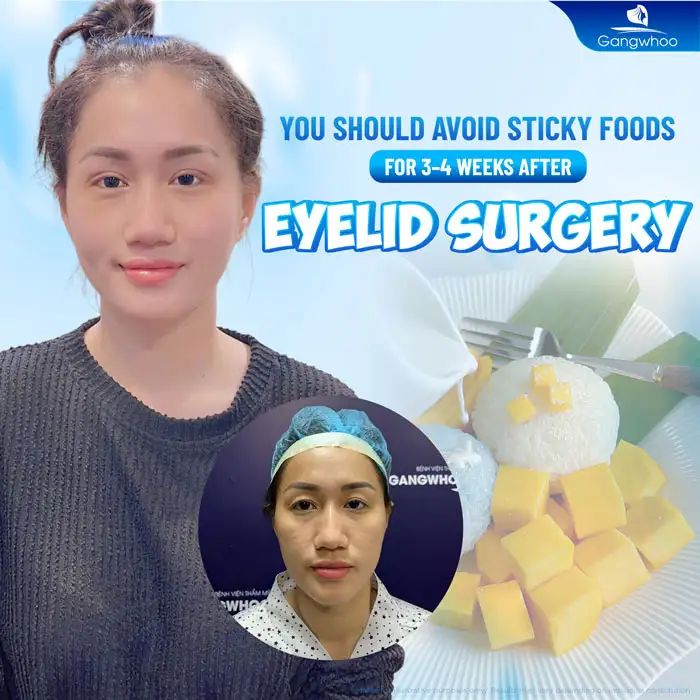
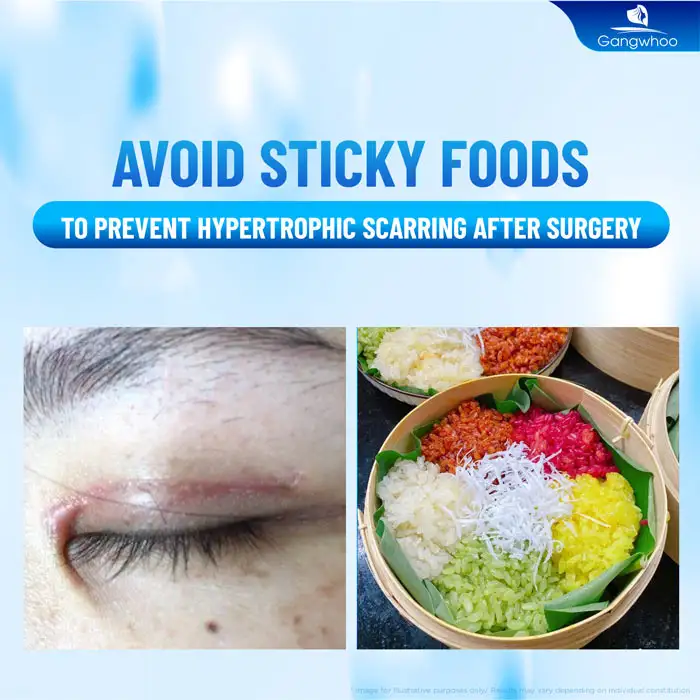
According to medical recommendations, after double eyelid surgery, sticky rice should be avoided for at least 3–4 weeks, and this period may be extended to up to 6 weeks for individuals who are prone to swelling, pus formation, or slow healing. The reason is that sticky rice–based foods (such as glutinous rice, bánh chưng, bánh giò, and other glutinous rice dishes) contain a high amount of sticky starch and binding substances, which can cause fluid retention, pus accumulation, or hypertrophic scarring while the skin tissue is regenerating.
In clinical practice, doctors have recorded many cases in which patients resumed sticky rice too early, resulting in prolonged swelling, redness, or the formation of hardened fibrous tissue under the eyelid skin. This is a mild inflammatory reaction, but if not properly controlled, it can affect the eyelid crease after healing.
Therefore, sticky rice should only be resumed once the wound has fully healed, with no remaining swelling, redness, or scabbing—typically after about one month. If the eyelid skin still feels weak or shows signs of mild inflammation, the avoidance period should be extended further to ensure maximum safety.
Why is it necessary to avoid sticky rice?
Sticky rice has warming and adhesive properties, which make it harder for the body to release heat and can lead to the accumulation of sebum. This increases the risk of inflammation or unfavorable scar formation in the delicate eyelid area. In addition, during the recovery phase, the skin tissue around the eyelids is undergoing structural remodeling; consuming potentially irritating foods such as sticky rice can prolong inflammatory responses, affecting skin tone and the softness of the eyelid crease.
Especially for patients who undergo double eyelid surgery using endoscopic microsurgical techniques or exclusive Plasma knife technology at Gangwhoo Cosmetic Hospital, although these methods involve minimal invasion, smaller wounds, and faster healing, doctors still recommend avoiding sticky rice for at least one month to achieve optimal aesthetic results.
Other foods to avoid besides sticky rice
In addition to sticky rice, after double eyelid surgery, you should also avoid the following foods to reduce scarring and promote faster healing:
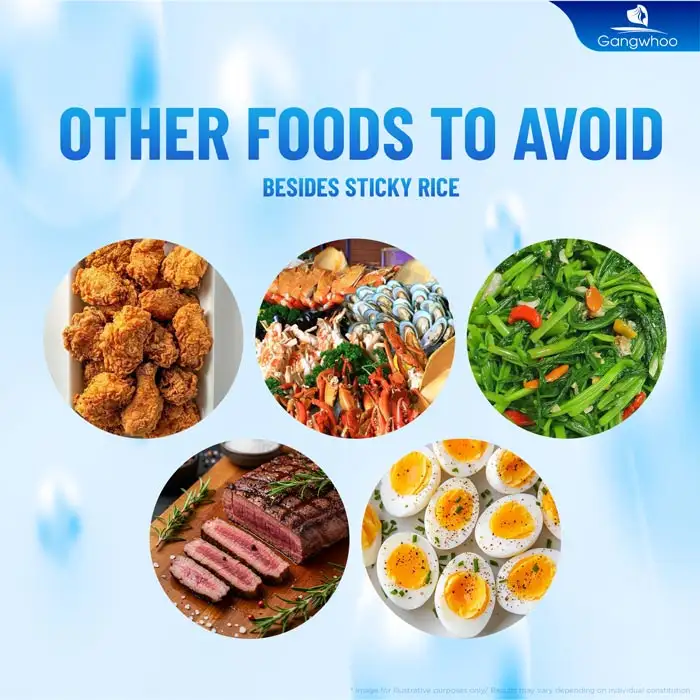
- Seafood (shrimp, crab, squid, marine fish): can cause itching and irritation of newly healed skin.
- Beef: may lead to darker pigmentation of the eyelid skin compared to surrounding areas.
- Chicken: can increase tightness and tension in the healing skin.
- Water spinach: contains substances that promote excessive collagen proliferation, increasing the risk of hypertrophic scars.
- Spicy foods, alcohol, beer, and coffee: cause vasodilation, delaying wound healing.
Instead, you should increase your intake of green vegetables, fruits rich in vitamin C, foods containing zinc, and healthy proteins to support tissue regeneration, reduce swelling, and help the eyelid crease stabilize more quickly.
Additional note from the doctor:
Dietary compliance is only one part of the recovery process. To achieve a natural result, patients are advised to undergo double eyelid surgery using endoscopic microsurgical techniques or exclusive Plasma knife technology at Gangwhoo Cosmetic Hospital. These advanced methods help minimize swelling, reduce tissue damage, and shorten healing time, making postoperative dietary restrictions lighter and shorter.
If you need a doctor to examine your recovery progress, assess wound healing, or provide detailed dietary guidance tailored to your individual condition, you can contact Gangwhoo Cosmetic Hospital directly for professional support and follow-up care.


