11+ Effective and Safe At-Home Acne Treatments for the Skin
Luong Minh Thao
Asked: 23/05/2026
Doctor, my skin is sensitive, so I’m very hesitant to use strong medications for acne treatment. I would like to ask if there are any safe at-home acne treatment methods suitable for sensitive skin that still provide good results. I also want to know which natural remedies are beneficial and what daily skincare routine I should follow to help prevent acne from returning. Could you guide me through a suitable regimen that I can apply?
Hello, the doctor understands that many people with acne often want to treat it at home before seeking professional medical help. However, for at-home acne treatment methods to truly be effective, you need to correctly understand the mechanisms behind acne formation and choose safe methods suitable for your skin type. Below, the doctor will provide a detailed step-by-step guide based on medical standards, helping you understand which practices are correct and what should be avoided when treating acne at home.
Effective At-Home Acne Treatment Methods
For mild to moderate acne cases, proper skincare can significantly improve the condition. Below are 11 effective acne treatment methods at home fully analyzed and guided by the doctor:
Wash Your Face Properly – The Most Important Foundational Step
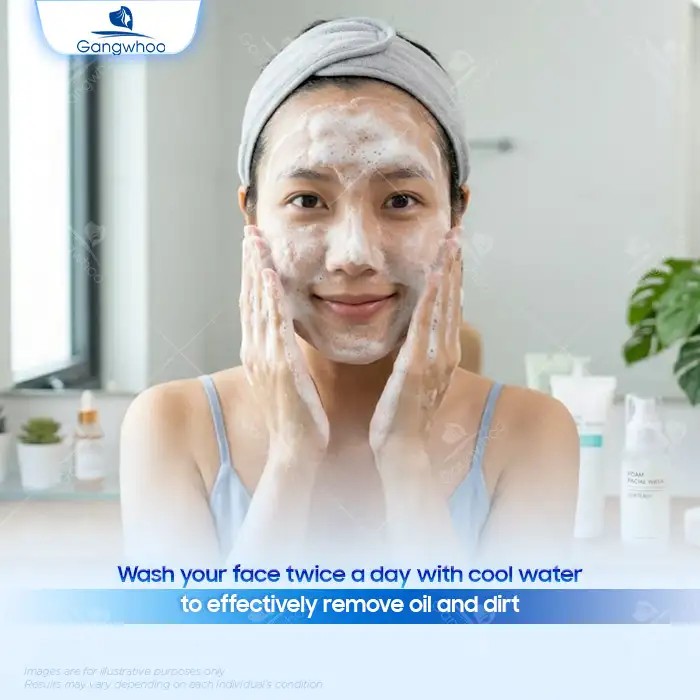
Wash your face twice daily with cool water to effectively remove oil and dirt
Improper cleansing can dry out the skin, disrupt pH balance, and stimulate sebaceous glands to produce more oil, worsening acne. You should only wash your face twice daily with cool water, gently massaging for 20–30 seconds in an upward motion to cleanse oil and dirt without damaging the skin barrier.
Use a Cleanser Suitable for Your Skin Type
If you have oily acne-prone skin, choose a pH 5.5 cleanser that is sulfate-free and contains mild BHA ingredients. If you have dry or sensitive skin, prioritize gel-based products or cleansers containing ceramides to cleanse without causing tightness or dryness.
This is a key factor determining the effectiveness of at-home acne treatment methods, because choosing the wrong products can worsen skin inflammation.
Use Over-the-Counter Acne Treatment Creams
The acne-fighting ingredients recommended by doctors include:
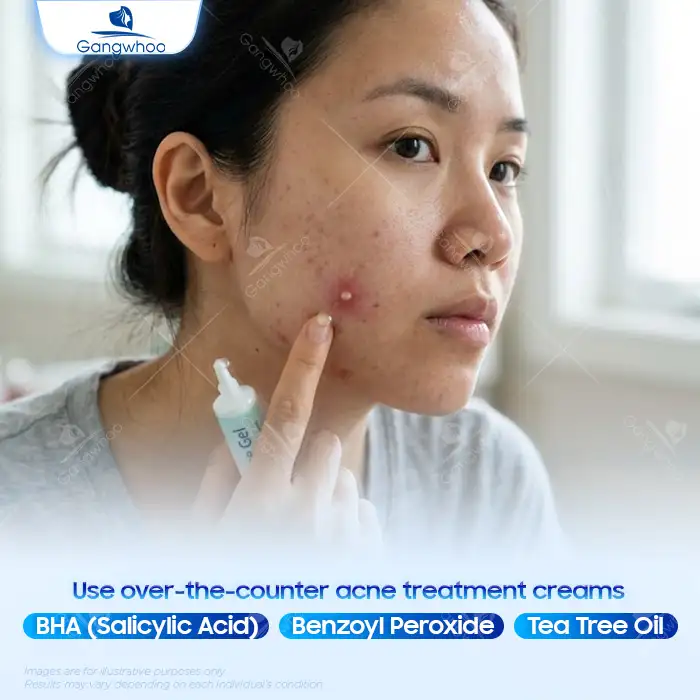
Use over-the-counter acne treatment creams
BHA (Salicylic Acid) helps deeply cleanse pores
Benzoyl Peroxide kills acne-causing P. Acnes bacteria
Tea Tree Oil provides anti-inflammatory and swelling-reducing effects
These are the fundamental ingredients in effective acne treatment methods without requiring prescriptions, suitable for blackheads, whiteheads, and mild inflammatory acne.
Apply Natural Face Masks (Oatmeal – Honey)
Oatmeal helps soothe the skin and reduce redness, while honey has natural antibacterial properties that support mild inflammation reduction. However, you should only apply these masks 1–2 times per week to avoid clogging pores.
Use Low-Dose Retinol or Adapalene
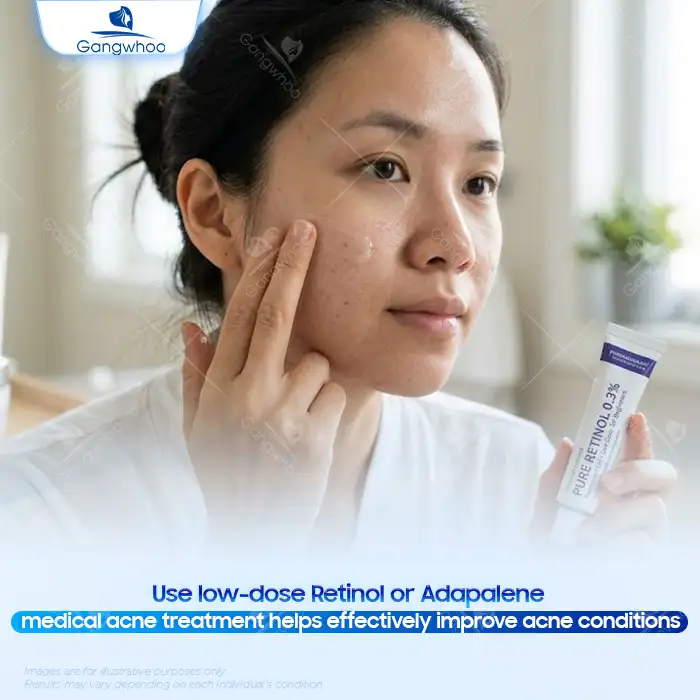
Using low-dose Retinol or Adapalene based on medical standards effectively improves acne conditions
Retinoids help stimulate cell turnover, reduce follicular blockage, and prevent acne development. This is considered the “backbone” ingredient in medical acne treatment. When first starting, choose concentrations of 0.025–0.05% to minimize irritation.
Keep the Skin Properly Hydrated
Dehydrated skin produces more oil, creating favorable conditions for acne formation. You should use oil-free, non-comedogenic moisturizers. Beneficial ingredients for acne-prone skin include HA, glycerin, ceramides, and niacinamide.
Use Toner for Deep Cleansing After Washing Your Face
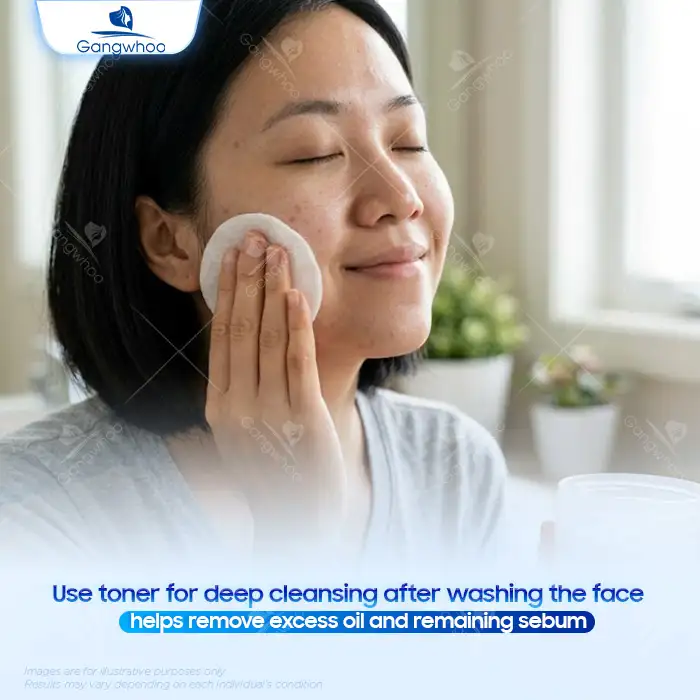
Using toner for deep cleansing after washing helps remove excess oil and remaining sebum
Toners containing mild BHA/AHA help sweep away excess oil and residual sebum, reducing clogging — one of the major causes of acne.
Follow an Anti-Inflammatory Diet
Limit sugar, dairy products, fried foods, and increase omega-3-rich foods (such as salmon and walnuts), green vegetables, and low-sugar fruits to reduce inflammatory responses from within.
Get Enough Sleep and Reduce Stress – Something Many People Overlook
Lack of sleep increases cortisol hormone levels, stimulating sebaceous gland activity. This is why acne often flares up during prolonged periods of stress.
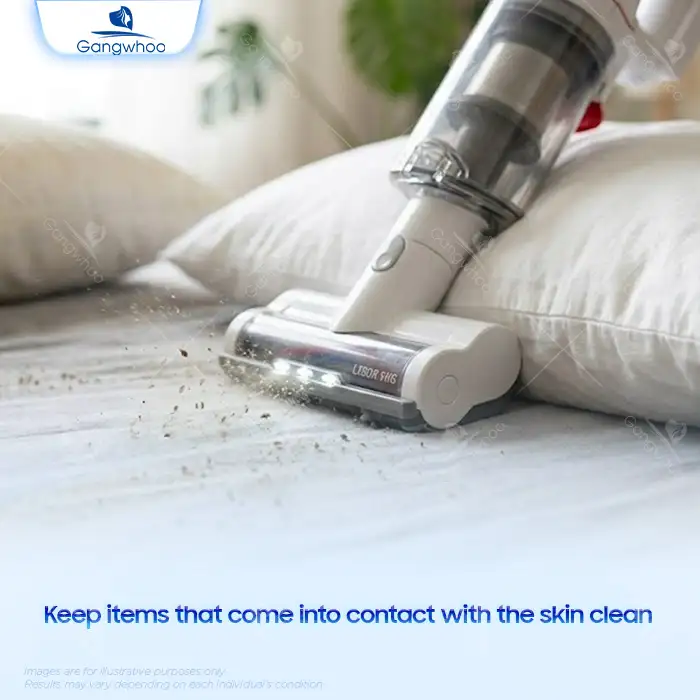
Maintain Hygiene of Items That Come Into Contact With the Skin
Maintain hygiene of items that come into contact with the skin
Pillowcases, towels, and makeup brushes accumulate millions of bacteria. Washing and replacing them regularly helps reduce the risk of acne recurrence.
Limit Makeup While Your Skin Is Acne-Prone
Heavy makeup is one of the reasons many people fail to completely clear acne. If makeup is necessary, choose non-comedogenic products and remove makeup thoroughly.
Common Mistakes When Treating Acne at Home
Many people try various at-home acne treatment methods but still fail to clear acne because they make the following mistakes:
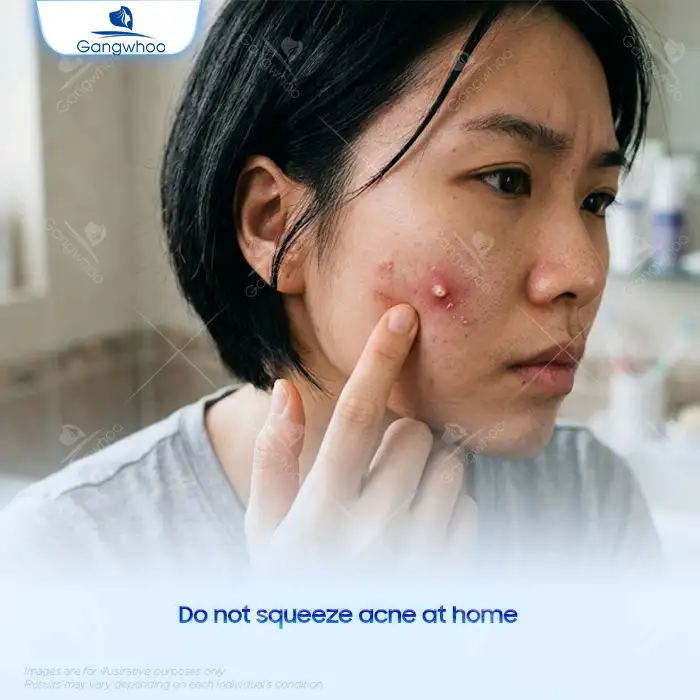
Popping Pimples at Home
Avoid popping pimples at home
Improper extraction worsens inflammation, spreads bacteria, and leads to hyperpigmentation and permanent acne scars.
Using Too Many Strong Acne Products at Once
Overusing 2% BHA, high-concentration retinol, or continuous benzoyl peroxide can irritate the skin, cause peeling and dryness, and trigger more severe inflammatory acne.
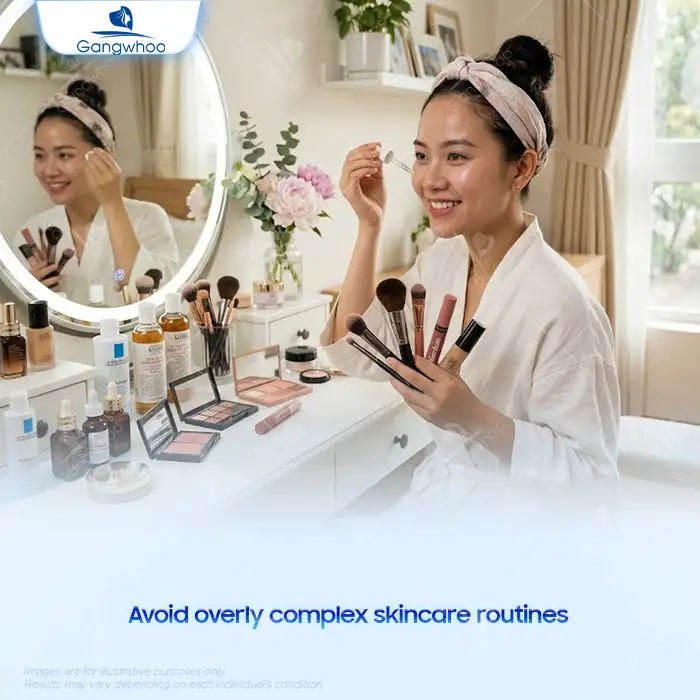
Overly Complicated Skincare Routines
Limit overly complicated skincare routines
Acne-prone skin requires simplicity. The more products used, the higher the risk of irritation and clogged pores.
Believing Folk Remedies Without Scientific Basis
Applying garlic, toothpaste, lemon juice, and similar remedies can burn the skin, increase pigmentation, and damage the skin barrier.
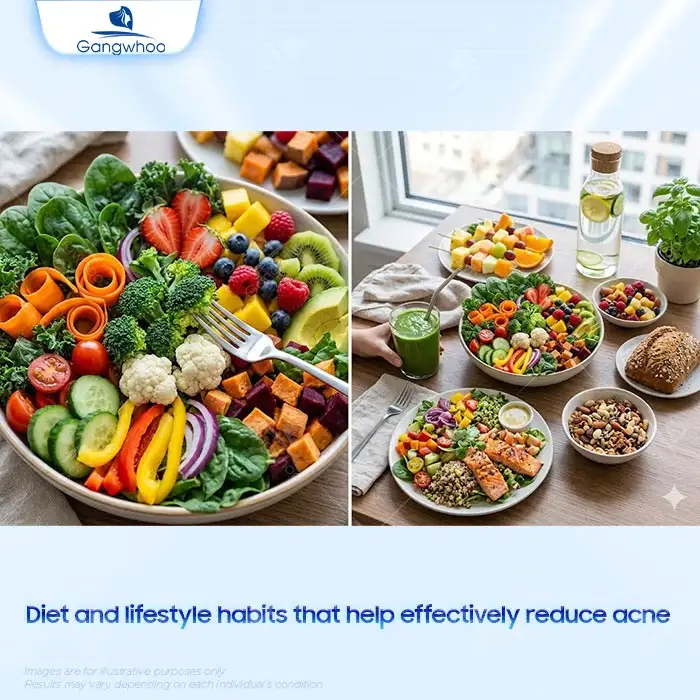
Diet and Lifestyle Habits That Effectively Reduce Acne
In acne treatment regimens, lifestyle contributes to more than 40% of treatment effectiveness. You should:
Diet and lifestyle habits help effectively reduce acne
Get 7–8 hours of sleep daily
Drink 1.5–2 liters of water daily
Increase green vegetables, fruits, and omega-3-rich foods
Limit sugar, dairy, fried foods, and fast food
Avoid staying up late, limit coffee and stimulant beverages
Exercise lightly for 20–30 minutes daily to improve circulation and reduce stress
Following a healthy lifestyle will help at-home acne treatment become faster and more sustainable.
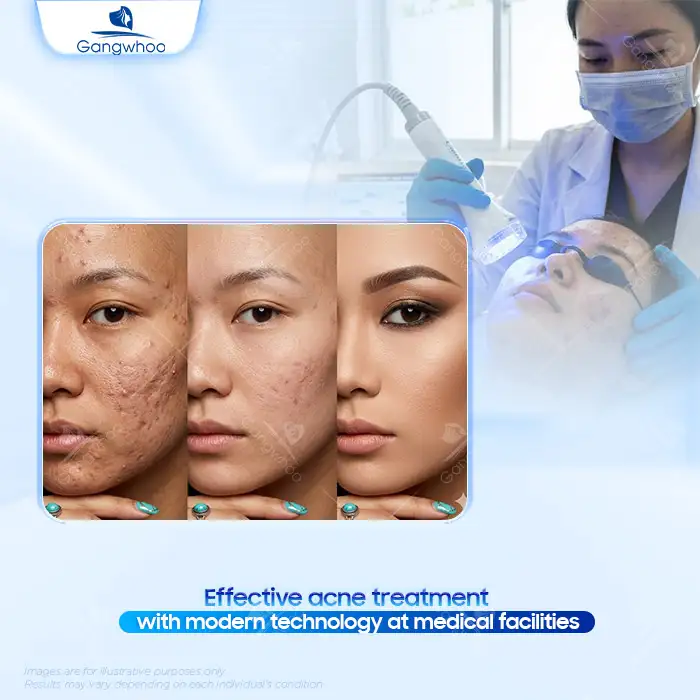
Effective Acne Treatment With Modern Technologies
In cases where acne does not respond to at-home treatment, severe inflammatory acne, pustular or cystic acne, or chronic recurring acne, you should seek advanced treatments at medical facilities.
At Gangwhoo Cosmetic Hospital, doctors are applying many modern technologies:
Effective acne treatment with modern technologies at medical facilities
Laser Gold: Reduces inflammation, quickly eliminates bacteria, suitable for inflammatory and cystic acne.
Skin Get IPL: Stabilizes sebaceous glands, brightens skin, and helps push out hidden acne.
Cold Plasma: Deeply reduces bacteria and helps the skin recover quickly after acne extraction.
Medical Skin Peels: Remove dead skin cells, reduce dark spots and oiliness, and stimulate skin regeneration.
LED Biological Light: Reduces inflammation, soothes the skin, and accelerates healing.
Gangwhoo always personalizes treatment regimens based on acne severity, skin type, and underlying causes to ensure optimal effectiveness and absolute safety.
Doctor’s Conclusion
If you consistently apply the correct effective at-home acne treatment methods, mild acne can improve significantly. However, if you have severe inflammatory acne, persistent breakouts, or acne that leaves dark spots and scars, you should visit Gangwhoo Cosmetic Hospital for professional skin analysis and treatment with advanced technologies to prevent long-term complications.