Hello Doctor, I often experience redness, itchy rashes, and tiny acne-like bumps on my skin. I am not sure whether this is an allergic reaction or an acne rash. Could you please explain the causes and recommend safe treatment methods that will not damage my skin?
Hello, acne rash is a condition that concerns many people because the lesions appear suddenly, spread rapidly, and are often accompanied by discomfort. Unlike common acne, acne rash may be associated with irritation, dermatitis, bacterial infections, or reactions to skincare products. To help you better understand the nature of this condition and learn the proper treatment for acne rash, the Doctor will provide a detailed explanation from a professional medical perspective.
What Is an Acne Rash?
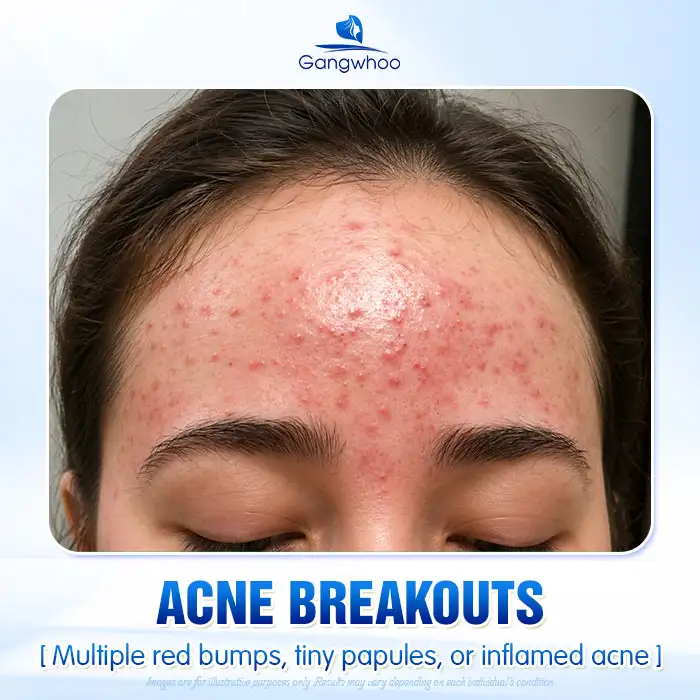
Acne rash is a skin condition characterized by the appearance of multiple small red papules, tiny bumps, or inflammatory acne lesions over a wide area. It often develops suddenly and is accompanied by sensations of itching, burning, or skin tightness. Unlike common acne, which develops due to clogged pores, acne rash is associated with acute inflammation, irritation, or abnormal triggers that cause the skin to react intensely.
From a medical perspective, acne rash is commonly a manifestation of:
Acne Rash with Multiple Small Red Papules or Inflammatory Acne Lesions
Contact dermatitis
Interactions between potent active ingredients (retinol, AHA/BHA, benzoyl peroxide)
Allergic reactions to cosmetics or skincare ingredients
Sudden excessive sebum production causing widespread inflammation
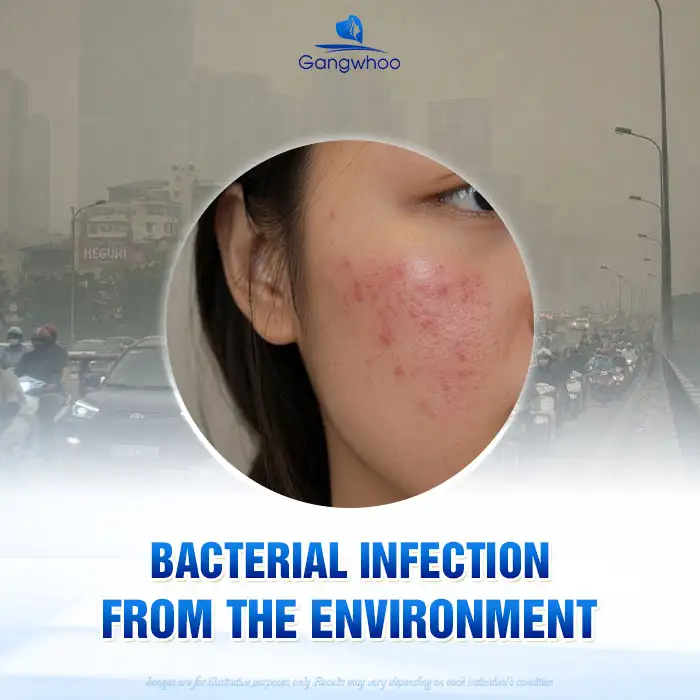
A compromised skin barrier that allows bacteria to invade more easily
Therefore, acne rash should be distinguished from a typical acne breakout in order to select the most appropriate acne rash treatment.
The Doctor explains the most common causes that make the skin prone to acne rash:
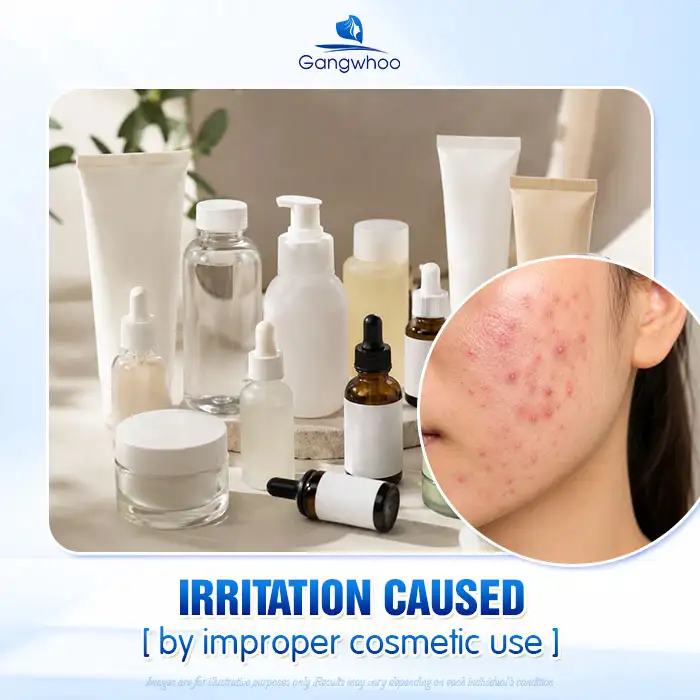
Irritation from Improper Cosmetic Use:
Irritation Caused by Improper Cosmetic Use
Using multiple potent active ingredients simultaneously (retinol + BHA + benzoyl peroxide) can overwhelm the skin, leading to inflammation and acne rash.
Allergic Reactions to Ingredients (Fragrances, Essential Oils, Parabens, etc.):
When the skin reacts to irritating substances, acne rash may develop together with redness and itching.
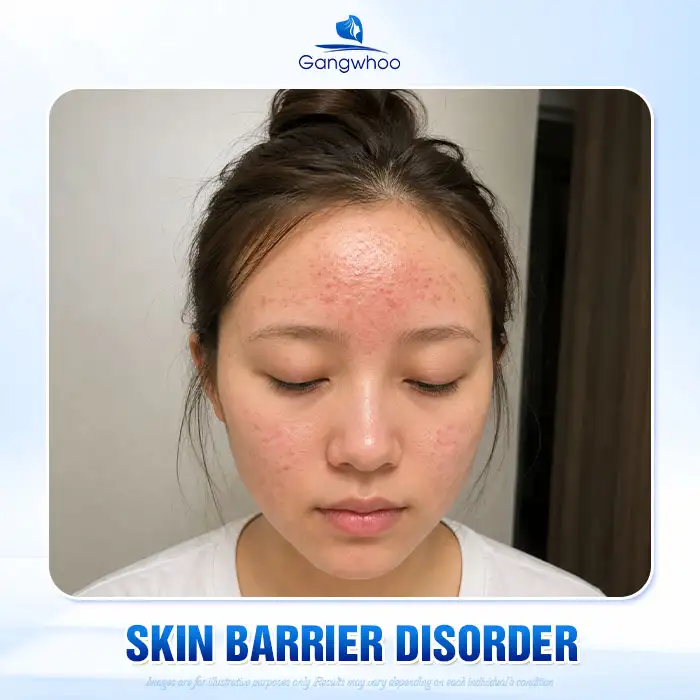
Skin Barrier Dysfunction:
Compromised Skin Barrier
This may result from using harsh cleansers, overly complicated skincare routines, or excessive exfoliation.
Hormonal Changes:
Sudden hormonal fluctuations stimulate sebaceous gland activity, resulting in acne rash on the face and back.
Stress, Sleep Deprivation, and Poor Dietary Habits:
Stress, Sleep Deprivation, and Poor Dietary Habits Are Also Causes of Acne Rash
These factors weaken the immune system, making the skin more susceptible to inflammation and widespread acne eruptions.
To treat acne rash, the Doctor will determine the most suitable treatment protocol based on the underlying cause and severity of inflammation. Below are treatment approaches categorized by method:
Adjusting Your Skincare Routine (Top Priority)
Adjusting Your Skincare Routine with a Focus on Gentle Cleansing
Discontinue All Irritating Products: Temporarily stop using AHA/BHA, retinol, high-concentration vitamin C, and benzoyl peroxide.
Cleanse Gently: Use a pH 5.5 cleanser free from sulfates and strong fragrances.
Restore Moisture: Choose moisturizers containing ceramides, hyaluronic acid (HA), or panthenol to repair the skin barrier.
Apply Aloe Vera Gel or Sterile Saline Solution: Helps reduce redness, burning sensations, and quickly soothe the skin.
Strict Sun Protection: Rash-prone skin is highly sensitive, so a gentle mineral sunscreen is recommended.
When Should You See a Dermatologist for Acne Rash?
You should seek medical attention immediately if you experience the following signs:
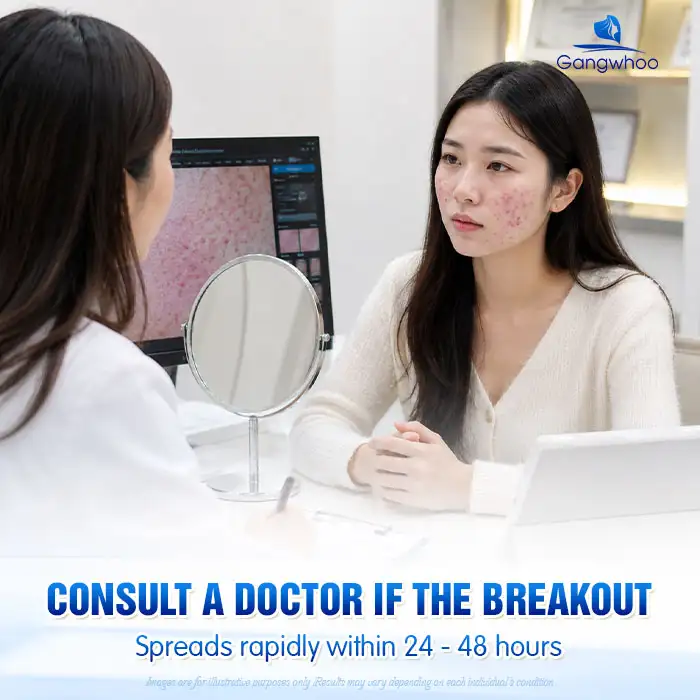
You Should See a Doctor If the Rash Spreads Rapidly Within 24–48 Hours
The rash spreads rapidly within 24–48 hours.
Inflammatory acne accompanied by redness, burning sensations, and pain.
Numerous deep pustules develop.
Severe irritation, peeling, or fluid discharge from the skin.
No improvement after 5–7 days of home care.
Recurrent outbreaks several times within a month.
Rash develops after using retinol, tretinoin, chemical peels, or new cosmetic products.
Suspected allergy to cosmetics, medications, or foods.
Delayed treatment may lead to post-inflammatory hyperpigmentation, acne scarring, and long-term damage to the skin barrier.
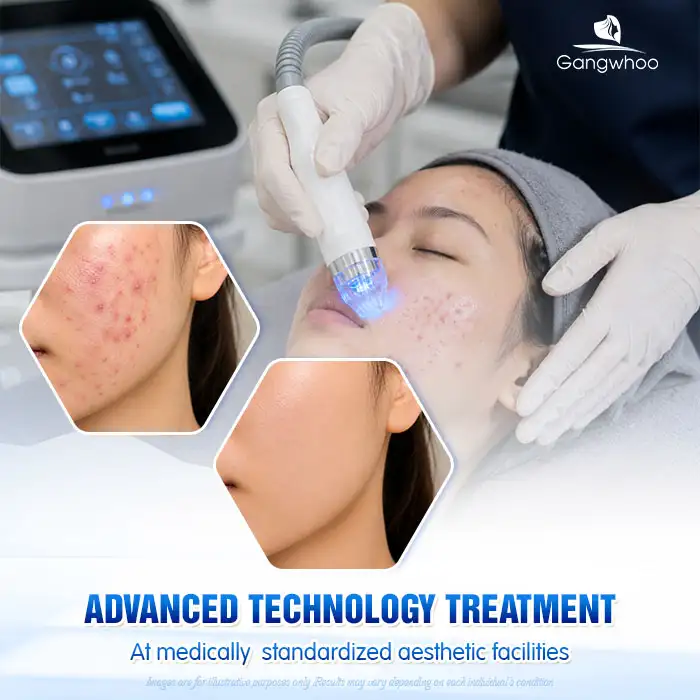
Acne rash is a sign that the skin is experiencing irritation or acute inflammation, so proper treatment from the beginning is essential. If home care does not improve the condition, or if redness, rash, and pain continue to spread, you should visit Gangwhoo Cosmetic Hospital for professional skin analysis and treatment using safe technologies such as LED Phototherapy, Cold Plasma Therapy, Restorative Chemical Peels, and personalized treatment protocols developed by experienced physicians.