Effective and Safe Ways to Treat Inflammatory Acne for Facial Skin
Mai Thien Trang
Asked: 23/05/2026
Hello Doctor, I have quite severe inflammatory acne, including cystic acne and pustules on both cheeks, which makes me very self-conscious. I have used many products but they were not effective. Could you please guide me on safe and effective ways to treat inflammatory acne without thinning the skin or increasing the risk of acne scars and hyperpigmentation?
Hello, inflammatory acne is one of the acne types that causes the most severe aesthetic impact because it can easily leave post-inflammatory hyperpigmentation, atrophic scars, and continuously recur if not treated properly. To help you clearly understand the ways to treat inflammatory acne according to proper medical standards, the doctor will thoroughly analyze the causes, treatment methods based on each severity level, when intensive treatment is needed, and the safe technologies currently applied at Gangwhoo Cosmetic Hospital.
Main Causes of Inflammatory Acne
Inflammatory acne appears when pores become clogged and there is an overgrowth of Cutibacterium acnes bacteria, leading to red, swollen, and painful inflammatory reactions beneath the skin. However, to accurately explain the causes of inflammatory acne, the doctor analyzes them from a skin physiology perspective as follows:
The main causes of inflammatory acne that you should clearly understand
Excess sebum production (Sebum): When oil glands become overactive, excess oil combines with dead skin cells and clogs hair follicles — the first step in creating an ideal environment for acne formation.
Growth of P. acnes bacteria: This is the main factor causing inflammation. When bacteria invade clogged areas, they activate the immune system, causing swelling, redness, pustules, and cystic acne.
Hormonal imbalance: Increased androgen levels during puberty, before menstruation, under stress, or due to lack of sleep stimulate oil glands, making inflammatory acne more likely.
Using low-quality cosmetics or improper makeup removal: Causes follicle blockage and creates favorable conditions for inflammatory acne flare-ups.
A diet high in sugar, dairy, and greasy foods: Increases insulin levels, stimulating oil production and inflammatory reactions on the skin surface.
Improper acne squeezing: Causes bacteria to spread, increasing the risk of severe inflammatory acne and scarring.
Therefore, inflammatory acne is not simply caused by “dirty” skin, but rather by a combination of clogged pores – bacteria – hormones – lifestyle habits. Therefore, ways to treat inflammatory acne require a comprehensive approach rather than merely applying topical products.
Ways to Treat Inflammatory Acne Based on Severity
To treat inflammatory acne effectively, doctors always assess the severity before creating an appropriate treatment protocol. Below are the treatment approaches for each level:
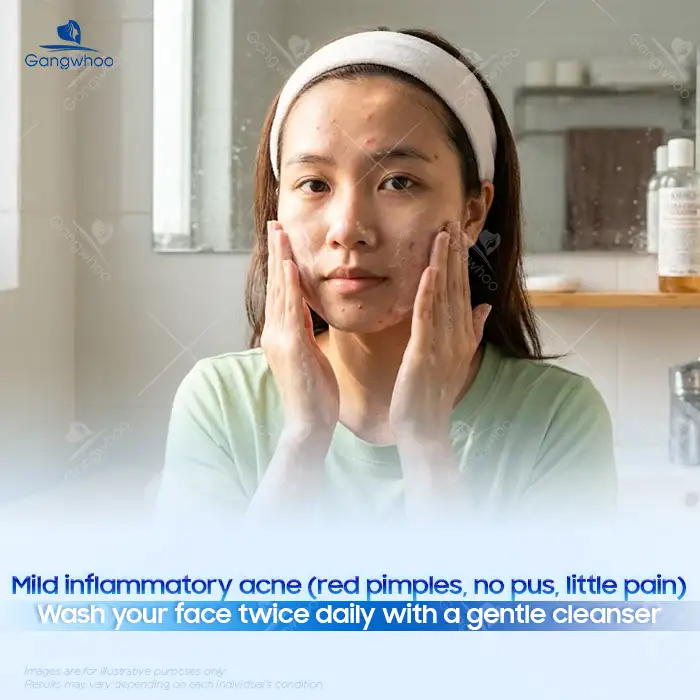
Mild Inflammatory Acne (red pimples, no pus, little pain)
At this level, you can apply at-home inflammatory acne treatment according to proper guidance:
Mild inflammatory acne should be cleansed twice daily using a gentle facial cleanser
Wash your face twice daily with a gentle cleanser, pH 5.5
Apply BHA (Salicylic Acid) to unclog pores
Combine with benzoyl peroxide (2.5–5%) to reduce bacteria
Apply niacinamide to reduce inflammation and restore the skin
Avoid squeezing acne and heavy makeup
If maintained consistently, mild inflammatory acne will significantly improve after 2–4 weeks.