Hello, under-the-skin acne is one of the most common skin concerns that causes many people to worry because it not only makes the skin rough and less aesthetic but also easily recurs if not treated properly. I will help you clearly understand the causes of under-the-skin acne and the most effective and safest treatment options today.
What causes under-the-skin acne?
Under-the-skin acne is a non-inflammatory type of acne that lies deep beneath the skin without a visible head. The main cause is clogged pores—where excess oil, dead skin cells, and bacteria accumulate without being expelled, forming acne cores deep under the surface.
Some specific causes commonly seen in cases of under-the-skin acne include:
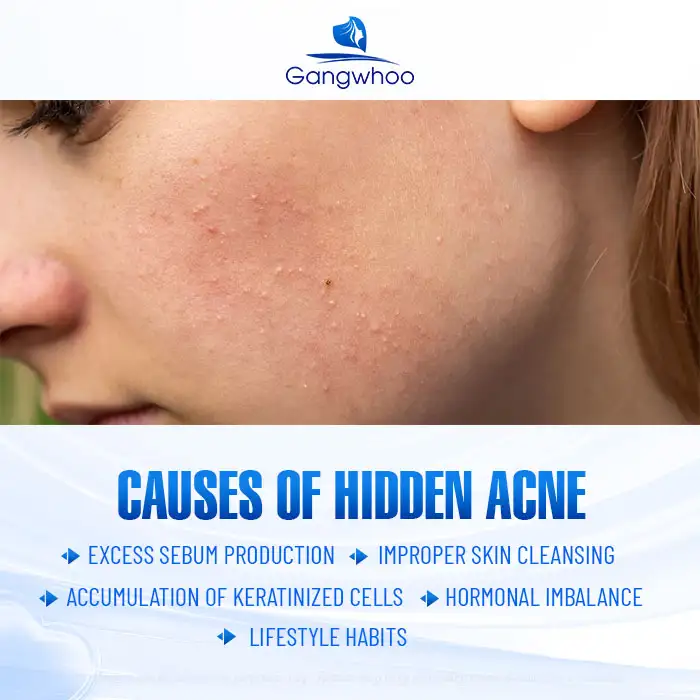
- Excess sebum production: When oil glands work excessively, the excess oil mixes with dead skin cells and clogs hair follicles, leading to under-the-skin acne.
- Accumulation of keratinized cells: Accelerated skin keratinization causes dead cells to build up and block pore openings.
- Improper skin cleansing: Not removing makeup properly, insufficient face washing, or using cosmetics containing silicone or mineral oils can leave residue in pores.
- Hormonal imbalance: Often occurs during puberty, before menstruation, or in individuals with prolonged stress—hormonal changes increase sebum production.
- Lifestyle and diet: Staying up late, eating spicy, oily foods, sugar, or dairy products can trigger under-the-skin acne.
- Using low-quality cosmetics: Products containing corticosteroids or pore-clogging ingredients can worsen skin conditions.
What makes under-the-skin acne different is that it does not rise clearly to the surface, so when looking in the mirror, the skin appears rough and uneven without visible acne heads. This makes treating under-the-skin acne more complex than common acne—it requires deep cleansing of the acne core, regulating oil production, and restoring skin structure.
Effective treatments for under-the-skin acne
Depending on severity and cause, the doctor will design an appropriate treatment plan. Below are commonly used clinical methods that deliver high effectiveness:
Deep cleansing – oil control
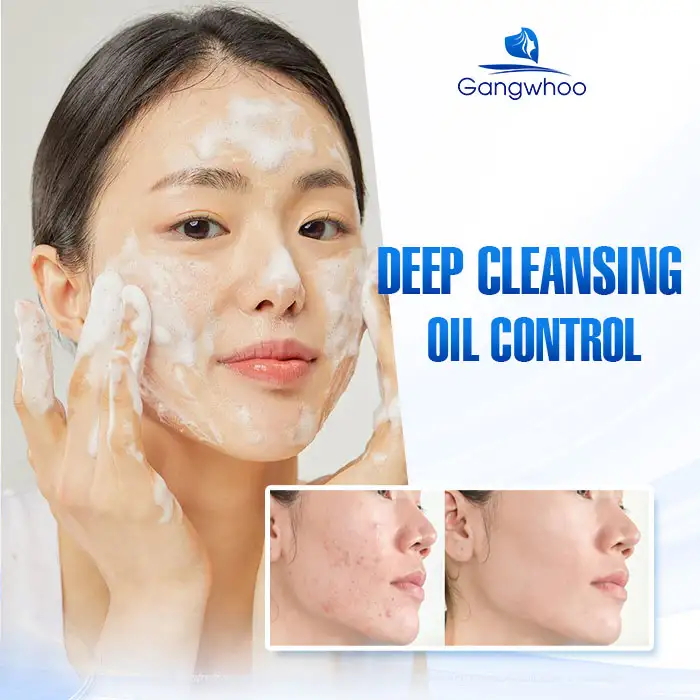
For under-the-skin acne, keeping the skin clean and stabilizing sebum production is essential. You should cleanse your face twice daily with a gentle cleanser (pH 5.5–6.0) to protect the skin barrier.
Combine with chemical exfoliants (AHA, BHA) 2–3 times per week to unclog pores and help acne cores surface—this is a basic but highly effective treatment.
Skin Get – IPL light-based therapy
This is an advanced medical solution applied at Gangwhoo Cosmetic Hospital, suitable for long-term or recurring under-the-skin acne.
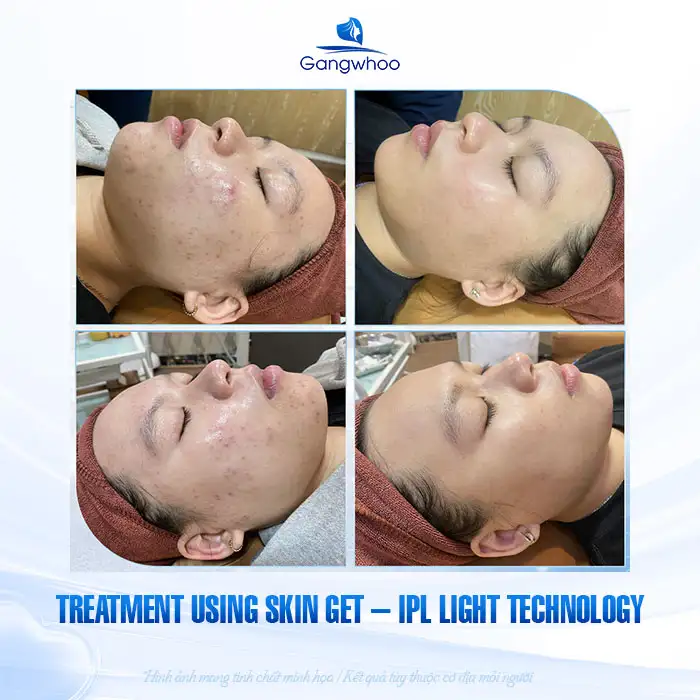
- Skin Get: breaks apart deep acne cores via ionization, allowing them to be naturally expelled.
- IPL (Intense Pulsed Light): kills P. acnes bacteria, reduces underlying inflammation, stimulates collagen production, and brightens the skin.
This technology helps treat under-the-skin acne quickly, safely, painlessly, and with minimal recurrence.
Using Retinoids (Retinol, Tretinoin)
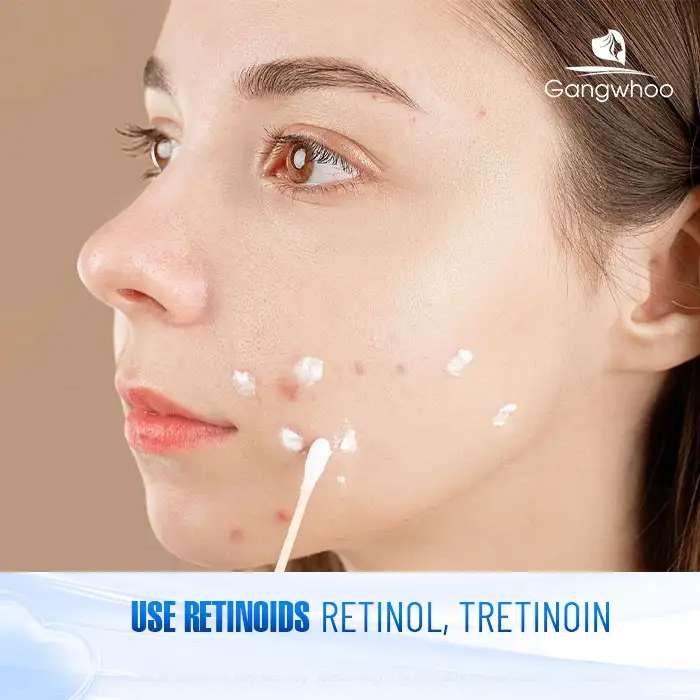
Retinoids are the “gold standard” for treating under-the-skin acne. They regulate skin keratinization, reduce pore blockage, and stimulate cell turnover.
However, because they are potent, you should begin with low concentrations (0.025–0.05%) and use them every other day for your skin to adjust. “Purging” may occur at first, which is normal.
Topicals containing AHA/BHA or Azelaic Acid
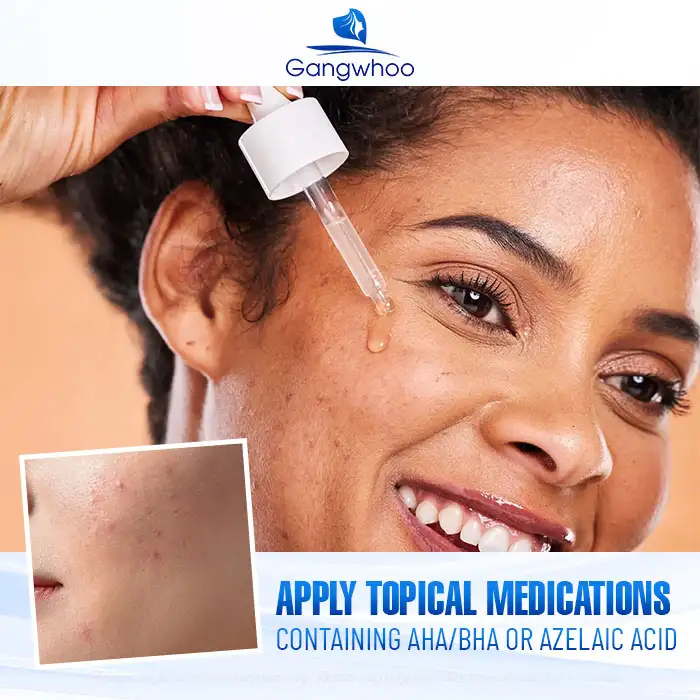
These ingredients deeply cleanse pores, fight P. acnes bacteria, and improve post-acne pigmentation. For sensitive skin, azelaic acid 10–20% is often recommended due to its gentle yet effective nature.
This is a convenient at-home method but requires consistency.
Professional acne extraction
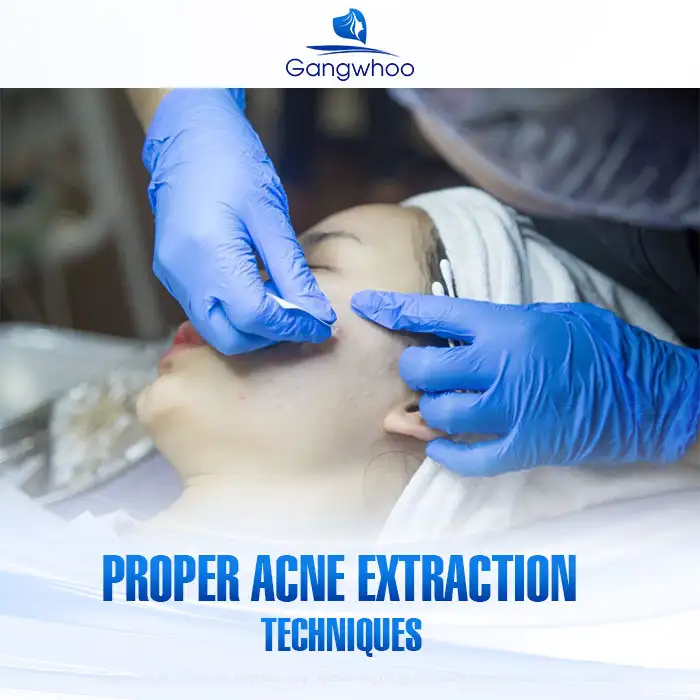
For mature acne cores, dermatologists can perform sterile extraction combined with blue or red light therapy to kill bacteria and reduce inflammation.
Absolutely avoid self-extraction at home to prevent deeper inflammation and spreading.
Proper moisturizing and skin barrier repair
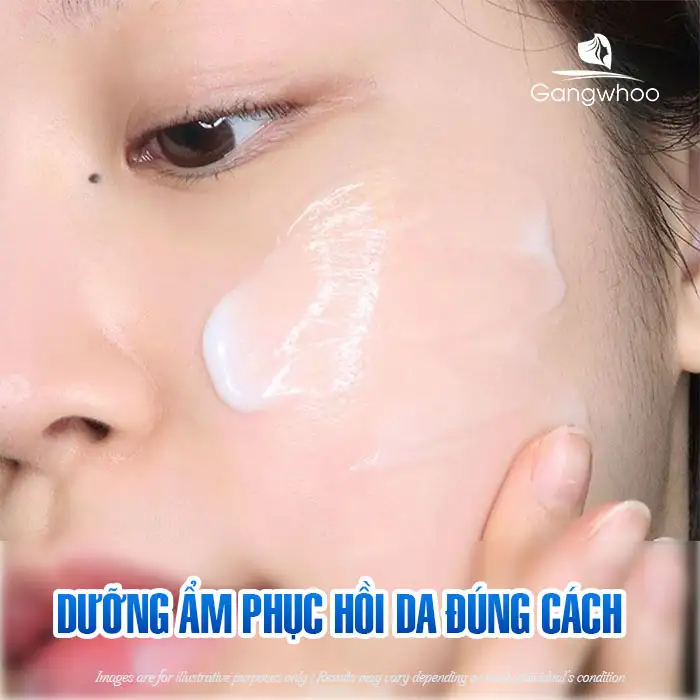
Dehydrated skin produces more oil, worsening under-the-skin acne. Use moisturizers containing ceramide, hyaluronic acid, and niacinamide to strengthen the skin barrier and reduce roughness.
Adjusting diet and lifestyle
Diet has a direct impact on hormones and sebum production. Doctors recommend:

- Limit sugar, dairy, fried foods, and spicy foods.
- Drink plenty of water and add vegetables, fatty fish, and nuts.
- Sleep early and manage stress, as cortisol spikes can worsen acne.
This is an indirect but crucial factor in maintaining results after treatment.
Hormonal therapy when necessary
For women with hormonal imbalance (acne concentrated around the chin and jawline), doctors may prescribe hormonal medication or supplements to regulate sebum. This must be done under dermatological supervision.
Professional chemical peels
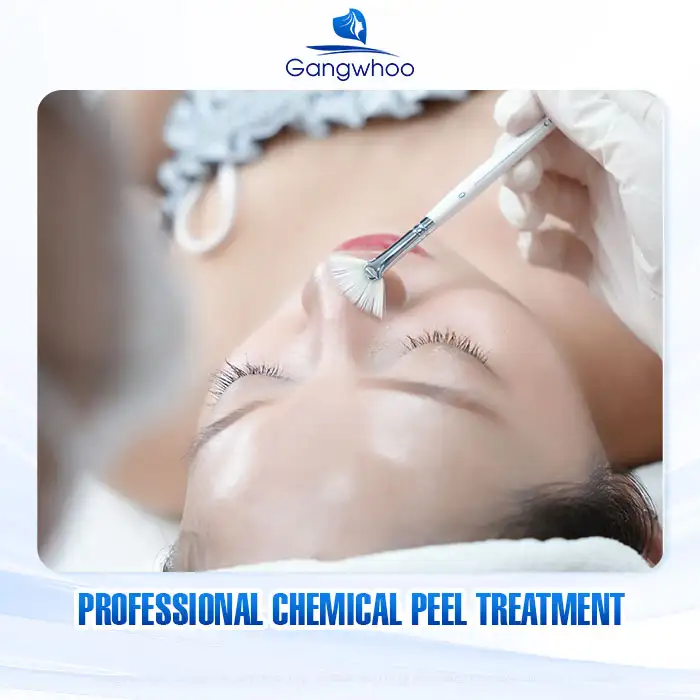
Chemical peels remove excess keratin, stimulate new cell formation, and clear pores. Depending on severity, doctors may use salicylic or glycolic acid at suitable concentrations.
This method should be done at reputable facilities like Gangwhoo, under direct medical supervision.
Important notes before and after treatment
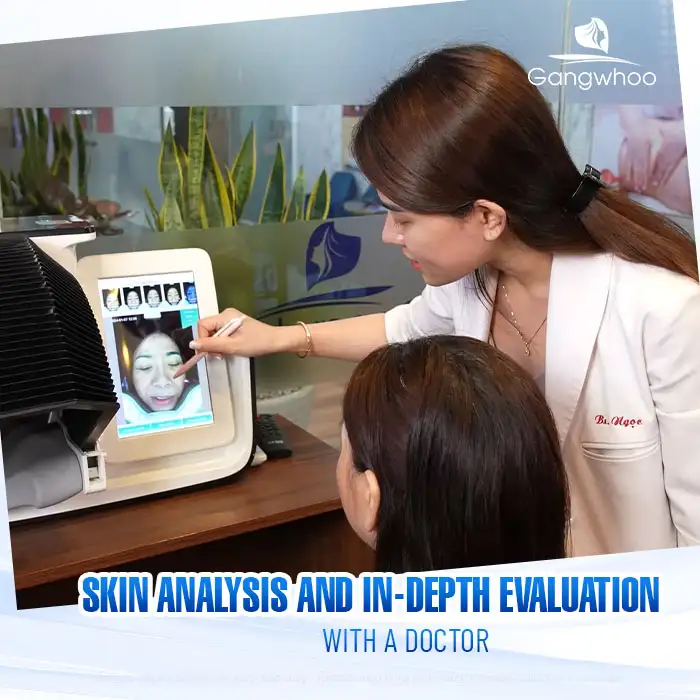
Before any under-the-skin acne treatment, doctors always recommend proper skin analysis because each skin type reacts differently. Important reminders:
Before treatment:
- Stop using retinol, strong peels, or exfoliants 5–7 days prior.
- Avoid heavy makeup and do not self-extract acne.
- Inform your doctor if you are taking hormonal medications, antibiotics, or have photosensitivity history.
After treatment:
- Avoid hot water or scrubbing within 24 hours.
- Moisturize adequately and apply sunscreen SPF ≥ 30 daily.
- Limit sun exposure, dust, and avoid products with alcohol or fragrance.
- Follow scheduled check-ups so the doctor can monitor and adjust treatment.
When treated correctly and combined with proper skincare, your skin will be purified, pores unclogged, and roughness reduced—this is the most effective and safest way to treat under-the-skin acne today.
Doctor’s advice:
Under-the-skin acne may seem benign, but if left untreated or handled incorrectly, it can lead to inflammation, scarring, and persistent hyperpigmentation.
If you want personalized advice and the most suitable treatment for your skin type, you can visit Gangwhoo Cosmetic Hospital for direct consultation and intensive under-the-skin acne treatment using Skin Get –
IPL technology. The doctors will help you regain smooth, healthy, and more radiant skin every day.


