Hello, hormonal acne is one of the more complex dermatological conditions and is commonly seen in both men and women — especially women during puberty, pregnancy, or perimenopause. This type of acne is directly influenced by hormonal fluctuations in the body, which makes treatment require both patience and the right approach. I will help you understand the causes of hormonal acne and the most effective treatments available today so you can gain better control over your skin.
What causes hormonal acne?
Hormonal acne forms mainly due to hormonal imbalance — especially an increase in androgen levels (male hormones). When androgen rises, the sebaceous glands become overactive, producing excess oil, clogging pores, and creating an environment for P. acnes bacteria to grow, leading to inflammation and acne.
In women, hormonal acne often flares up during:
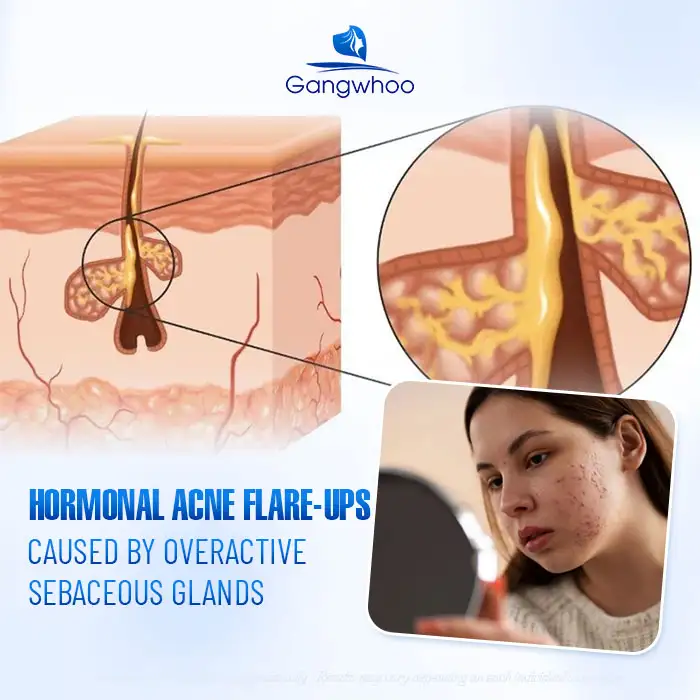
- Puberty: when hormones change dramatically and oil glands become more active.
- Menstruation, pregnancy, or postpartum: fluctuations in estrogen and progesterone make the skin more prone to inflammation.
- Perimenopause: when estrogen decreases, the skin becomes drier and more sensitive.
In addition, prolonged stress, lack of sleep, high sugar or high-carb intake, dairy consumption, or the use of birth control pills or steroids can disrupt hormone balance and trigger acne flare-ups.
Importantly, hormonal acne does not only appear on the face — it can also occur on the chin, jawline, neck, back, and chest, which helps doctors easily identify and diagnose it.
Effective treatments for hormonal acne
When asking “how to treat hormonal acne,” the answer is that treatment must address both internal and external factors — meaning balancing hormones while cleansing and caring for the skin properly. Below are the most effective hormonal acne treatments today:
Internal hormonal treatment
Using medications or supplements to balance hormones is the foundation.
- Hormonal regulation medications: such as Spironolactone or combination birth control pills (for females, prescribed by a dermatologist).
- Supplements: zinc, vitamin B6, and omega-3 help control oil and reduce inflammation.
- Lifestyle changes: adequate sleep, stress reduction, and a diet rich in vegetables and low-sugar fruits.
Treating acne with advanced medical technology
At Gangwhoo Cosmetic Hospital, many clients with hormonal acne have significantly improved through advanced acne treatment technologies such as:
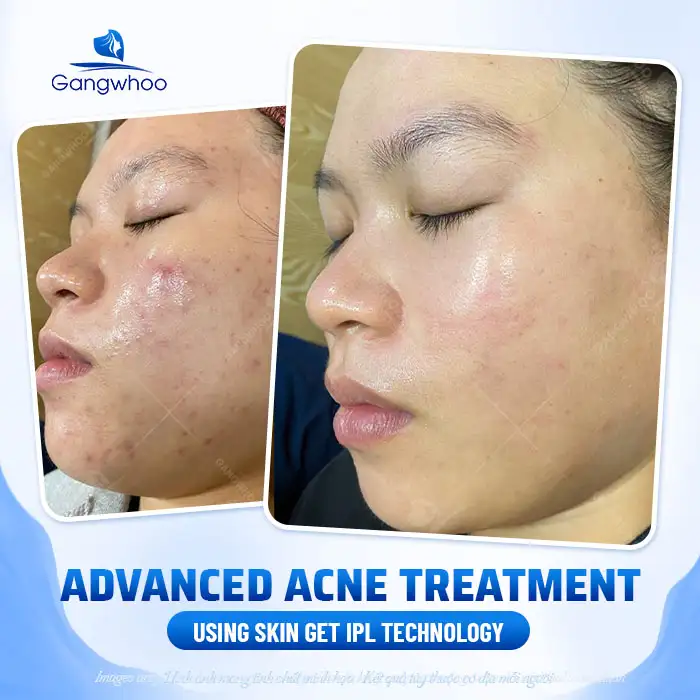
- Laser Gold: micro-light technology that penetrates deeply to destroy P. acnes bacteria, reduce inflammation, and cleanse sebaceous glands.
- Skin Get IPL: uses IPL light energy to soothe the skin, tighten pores, and improve post-acne pigmentation.
- Medical skin regeneration combined with biological peel: removes dead skin cells, stimulates new cell growth, and balances skin microbiome.
These technologies are safe, non-invasive, and prescribed according to acne severity and individual hormonal condition.
Maintaining a proper skincare routine
Daily skin care is essential to maintain treatment results. You should:
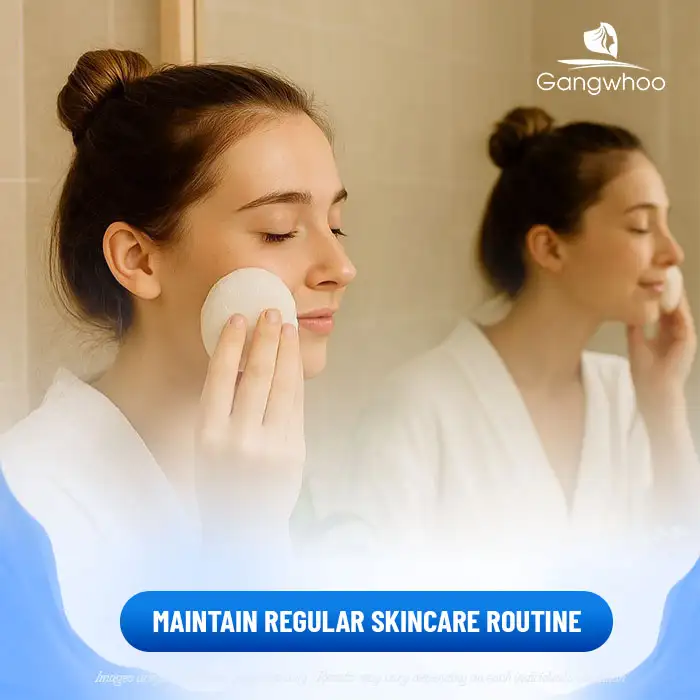
- Use a gentle cleanser (pH 5.5) and avoid strong foaming products.
- Moisturize adequately — dry skin forces sebaceous glands to produce more oil.
- Apply sunscreen daily, even when indoors.
- Avoid squeezing pimples or using corticosteroid-containing cosmetics.
Adjusting your diet
One of the most effective hormonal acne treatments is controlling your daily diet. You should:

- Limit refined sugar, cow’s milk, fast food, and fried foods.
- Increase intake of vegetables, low-sugar fruits, fatty fish (salmon, mackerel), walnuts, and chia seeds — foods rich in omega-3 that reduce inflammation and regulate hormones.
- Drink enough water and consider herbal teas for liver detox (artichoke tea, houttuynia tea).
Managing stress and sleep
Prolonged stress increases cortisol, disrupting hormone balance and triggering acne.
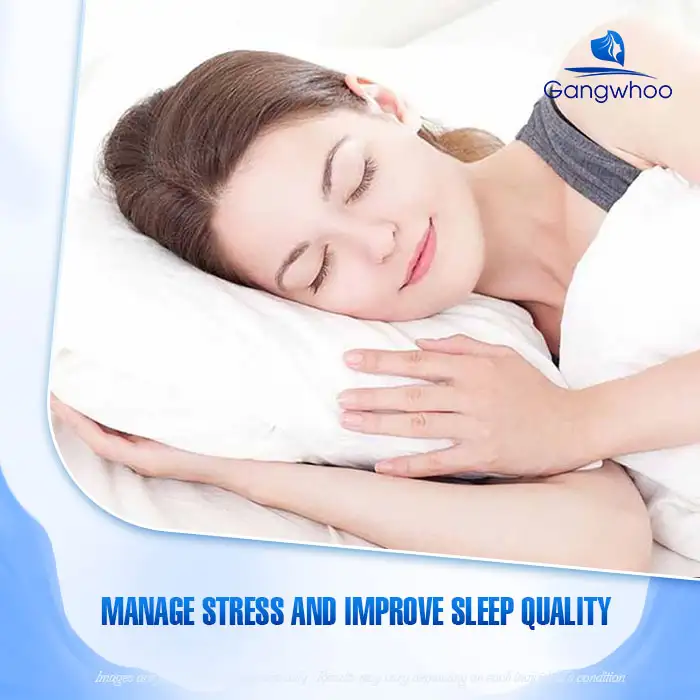
- Sleep 7–8 hours a day and go to bed before 11 PM.
- Practice yoga, meditation, deep breathing, or listen to relaxing music.
- Avoid using your phone before bed and avoid staying up late.
Biological peel combined with medical skin repair
Biological peel removes dead skin and unclogs pores, while medical repair solutions restore the epidermis. This method cleanses the skin and enhances nutrient absorption, speeding up hormonal acne treatment.
Adding supplements that support hormonal balance
Some supplements may help stabilize hormones, reduce inflammation, and regulate oil production, such as:

- Evening Primrose Oil
- Omega-3
- Zinc and Vitamin D
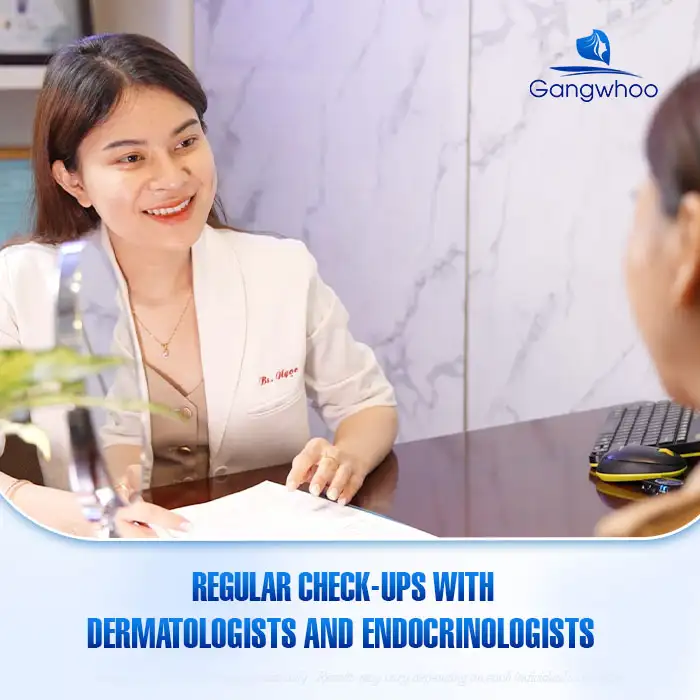
Regular check-ups with dermatologists or endocrinologists
A common mistake in hormonal acne treatment is self-medicating or using products without guidance. Hormonal acne may result from PCOS, thyroid disorders, chronic stress, or insulin resistance — issues only doctors can diagnose accurately.
Regular check-ups help:
- Monitor hormonal changes over time.
- Adjust medication, nutrition, or technology-based treatments.
- Detect complications such as hyperpigmentation or scarring early.
Gangwhoo Cosmetic Hospital has a team of dermatologists specializing in hormone-related skin issues and laser technology, ensuring safe and effective treatment.
Restoring the skin barrier with biological therapy
Most patients with hormonal acne have a damaged skin barrier due to misuse of cosmetics, improper cleansing, or excessive peeling. When the lipid layer is weakened, the skin becomes easily inflamed and more sensitive to hormonal fluctuations.
Therefore, Bio-Repair therapy is crucial for:
- Providing peptides, ceramides, and hyaluronic acid to restore the skin.
- Strengthening resistance and stimulating natural cell regeneration.
- Reducing inflammation and balancing oil–moisture levels to support skin health from within.
Important reminders before and after hormonal acne treatment
Before treatment, you should:
- Have a consultation with a dermatologist or endocrinologist to identify the exact cause.
- Avoid self-medicating with hormones or hormone-regulating products.
- Avoid corticosteroid-containing cosmetics, as they weaken the skin and worsen acne.
After treatment, doctors recommend that you:
- Follow the prescribed regimen and attend follow-up appointments, as hormonal acne tends to relapse.
- Maintain a low-sugar, low-dairy diet and avoid staying up late.
- Monitor menstrual cycle and unusual symptoms to adjust treatment when necessary.
If you choose treatment at Gangwhoo Cosmetic Hospital, doctors will design a personalized hormonal acne treatment plan combining advanced technology and at-home care guidance to stabilize hormones and restore healthy skin long-term.
In conclusion, to answer the question “how to treat hormonal acne,” it’s important to understand that this condition is not just a skin issue — it reflects internal hormonal imbalance. Therefore, you should approach treatment comprehensively rather than relying solely on topical products. If you are experiencing this condition and need professional advice, Gangwhoo Cosmetic Hospital is always ready to accompany you on your journey to achieve smooth and healthy skin.


