Hello, I understand how many people feel when tiny, painless bumps begin to appear on the face—making the skin less smooth and aesthetically pleasing. This is syringoma, a common benign skin lesion often found around the eyes, neck, or cheeks. Although not dangerous, if you don’t understand the causes and the appropriate treatment methods for syringoma on the face, the condition may spread or recur. I will help you understand each aspect clearly so you can manage it the right way.
What causes syringoma on the face?
Syringoma (Syringoma or Skin tag) is a benign overgrowth of sweat glands or connective tissue under the skin, not caused by bacteria or viruses like acne. The causes of syringoma on the face vary, mainly including:
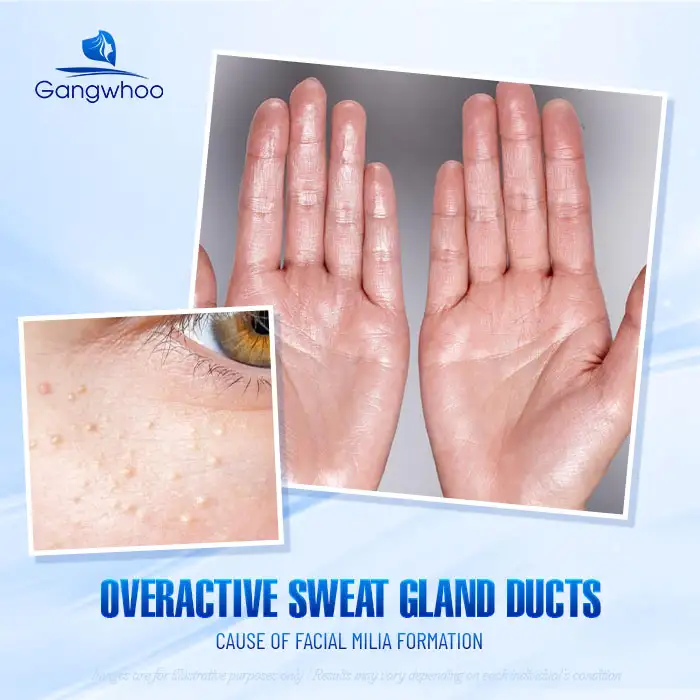
- Sweat gland dysfunction: When sweat glands are overactive or clogged, epidermal cells proliferate abnormally, forming small white or yellowish bumps under the skin.
- Genetics: Some people are predisposed to forming syringoma due to hereditary factors, especially if family members have had them.
- Hormonal changes: Puberty, pregnancy, or perimenopause can cause hormonal fluctuations, stimulating sweat glands and collagen to develop unevenly, leading to syringoma.
- Skin aging: In adults, especially women after age 30, reduced collagen and elastin weaken skin structure and make syringoma more likely to appear around the eyes and neck.
- Environmental factors: Sun exposure, dust, chemicals, or using unsuitable cosmetics may irritate the skin and trigger syringoma.
In short, syringoma is the result of abnormal proliferation of sweat gland cells under the skin, influenced by genetics, hormones, and age. Therefore, to choose the right treatment for syringoma on the face, the doctor must determine the exact cause and level of the lesion in each case.
Effective methods to treat syringoma on the face
There are many ways to treat syringoma depending on the type, location, and aesthetic goals. Below are the 9 most common and safest dermatological treatment methods:
CO₂ Fractional laser treatment
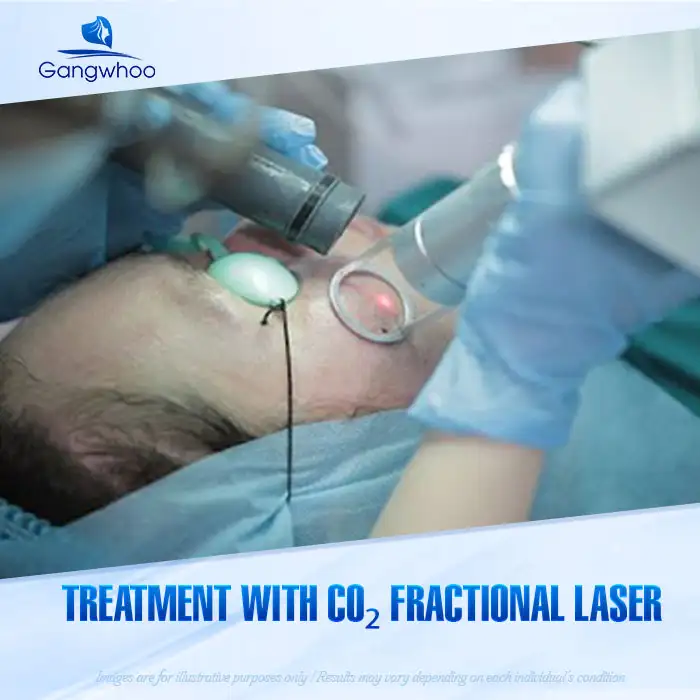
This is the most modern and effective method for treating syringoma today. CO₂ laser targets the root of the lesions, destroying proliferated cells without affecting surrounding skin, helping the skin become smooth again after 5–7 days.
Electrocautery
This method uses high-frequency electrical current to burn off syringoma tissue. It is low cost and clearly removes bumps. However, if the doctor lacks skill, it may leave scarring or pigmentation.
Cryotherapy with liquid nitrogen
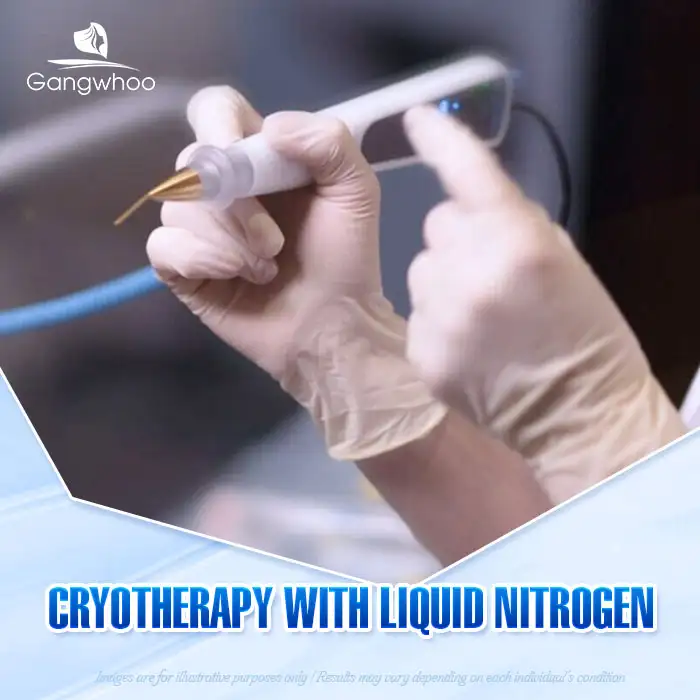
The doctor uses liquid nitrogen at -196°C to freeze and destroy the tissue. This is suitable for small syringoma bumps but not recommended for sensitive areas like around the eyes.
Topical medications to soften and exfoliate keratin
Some medications containing trichloroacetic acid or retinoids can exfoliate keratinized layers and gradually reduce syringoma. However, they must be prescribed and guided by a dermatologist to avoid irritation.
Chemical Peel
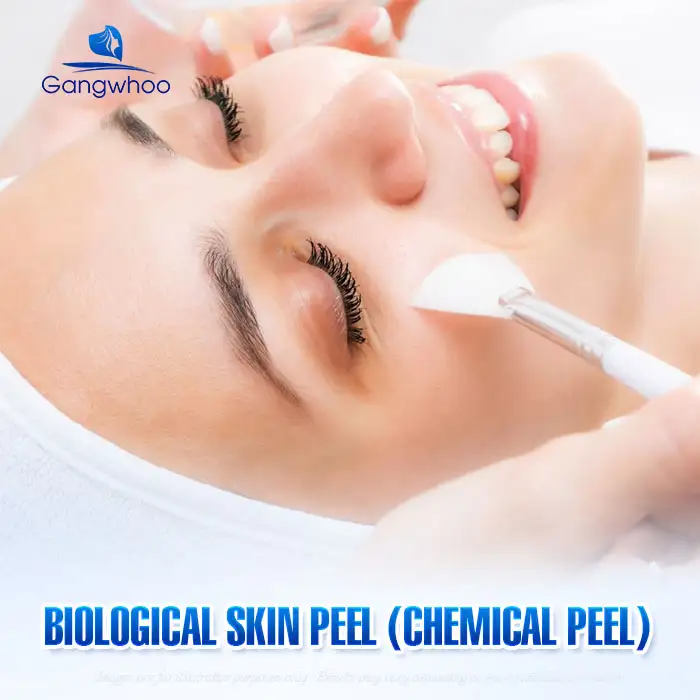
This method uses low-concentration acids to remove dead skin, thin the keratin layer, and stimulate skin regeneration. It is suitable for tiny bumps and rough, uneven skin.
Cold Plasma technology
Cold plasma destroys syringoma tissue using ionized energy without burning or pain. Besides treating syringoma, it also helps with antibacterial action and speeds up skin recovery.
Supportive creams or serums at home

Products containing AHA, BHA, or niacinamide can support skin regeneration, reduce keratin buildup, and soften mild syringoma. However, this is only supportive, not a replacement for professional treatment.
Micro-surgical removal
For large, deep, or sensitive-area syringoma, the doctor may recommend a minor surgical excision performed under sterile conditions.
Combined dermatological treatment at a reputable cosmetic facility

At Gangwhoo Cosmetic Hospital, dermatologists combine CO₂ Fractional laser, biological peel, and post-treatment recovery care to ensure complete removal, brighter skin, and prevention of recurrence.
Post-treatment care to prevent recurrence
After treatment, your skin will be more sensitive, so proper care is important to prevent recurrence:

- Keep skin clean and dry, and avoid sun exposure for 7–10 days. Use sunscreen SPF ≥ 30 when going out.
- Do not touch, scratch, or peel off crusts to avoid dark spots or scarring.
- Use recovery moisturizers containing ceramide, panthenol, or hyaluronic acid.
- Avoid makeup or products with fragrance or alcohol for at least 2 weeks.
- Increase vitamin C, E, and water intake for faster skin healing and elasticity.
- Attend follow-up appointments as recommended to check for deep or recurring lesions.
If you have long-standing syringoma, recurrent outbreaks, or widespread lesions, it’s best to visit Gangwhoo Cosmetic Hospital for an examination and personalized treatment plan. With CO₂ Fractional laser, cold plasma, and medical-grade peels, Gangwhoo helps treat facial syringoma quickly, safely, and with minimal scarring—bringing you smooth, youthful, and confident skin.


