Hello, the doctor understands that after eyelid surgery, many people are often concerned about what foods should be avoided, how to eat properly so the wound heals quickly, does not leave scars, and helps the eyelids stabilize beautifully and naturally. In fact, nutrition after eyelid surgery plays an extremely important role in the recovery process—it directly affects wound-healing speed, scar formation, and the final aesthetic outcome. So specifically, what foods should be avoided after eyelid surgery, what precautions are needed, and how to care properly for faster healing? Let the doctors at Gangwhoo analyze this in detail.
What foods should be avoided after eyelid surgery?
After double eyelid surgery, the eyelid skin will have a small incision created by the doctor to remove excess fat and loose skin. During this stage, the body activates tissue regeneration mechanisms, so choosing appropriate foods is a key factor in helping the wound heal quickly and avoiding unfavorable scars. Below are food groups that should be avoided after eyelid surgery according to medical recommendations:
– Beef:
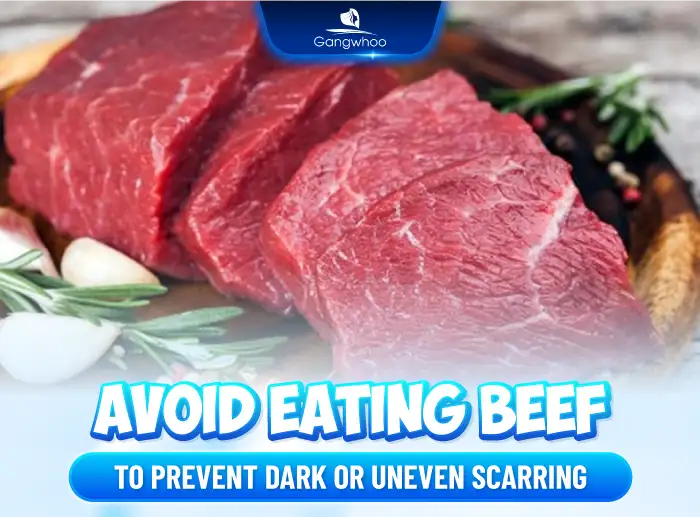
Beef contains a high level of protein, especially myoglobin—a pigment that can cause newly formed skin to darken. If consumed too soon after eyelid surgery, the wound may become hyperpigmented or uneven in color, affecting eyelid aesthetics.
– Chicken:
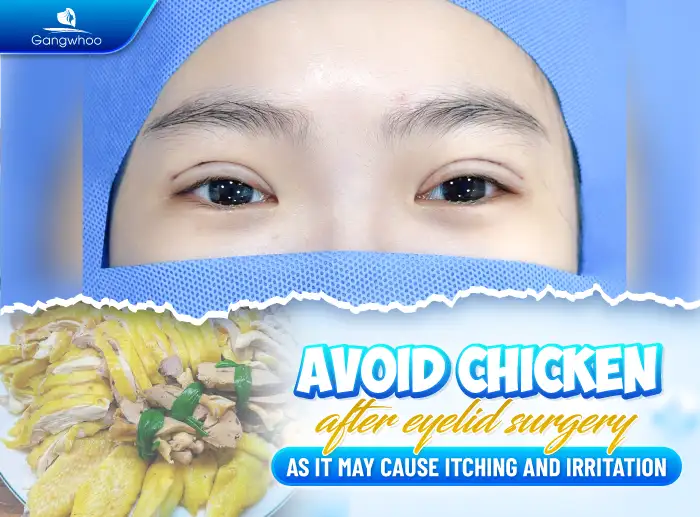
Although it is rich in protein, for wounds that have not fully healed, chicken can cause itching, irritation, and may lead to prolonged tension or redness at the incision site. Therefore, you should avoid chicken for at least 2–3 weeks after surgery.
– Seafood and fishy foods:
Shrimp, crab, marine fish, and similar foods can easily cause allergies or itching of new skin. For people with sensitive constitutions, eating seafood too early may lead to hypertrophic scarring or uneven skin pigmentation around the eyelids. Therefore, this food group should be excluded from the diet in the early stage.
– Water spinach:
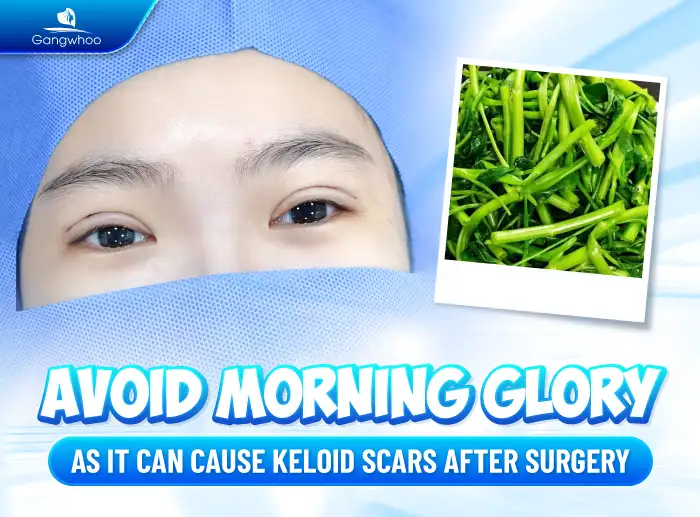
Water spinach strongly stimulates collagen overproduction, which can easily cause hypertrophic scars in healing tissue. This is one of the foods that doctors always emphasize should be strictly avoided until the wound has completely healed.
– Sticky rice products, eggs, and fermented foods:
Sticky rice, traditional sticky rice cakes, eggs, fish sauce, pickled vegetables, and similar foods can easily cause inflammation and wound suppuration. If consumed in the early stage, they may cause eyelid swelling, delayed healing, or dark scars.
So how long should foods be avoided after eyelid surgery?
Generally, the avoidance period ranges from 3–4 weeks, depending on individual constitution and healing speed. Once the wound has dried and scabs have completely fallen off, these foods can be gradually reintroduced in small amounts while monitoring the eyelid skin’s reaction.
How to choose foods after eyelid surgery
In addition to understanding what foods should be avoided, you should also pay attention to foods that promote recovery:
– Supplement vitamin C and E:
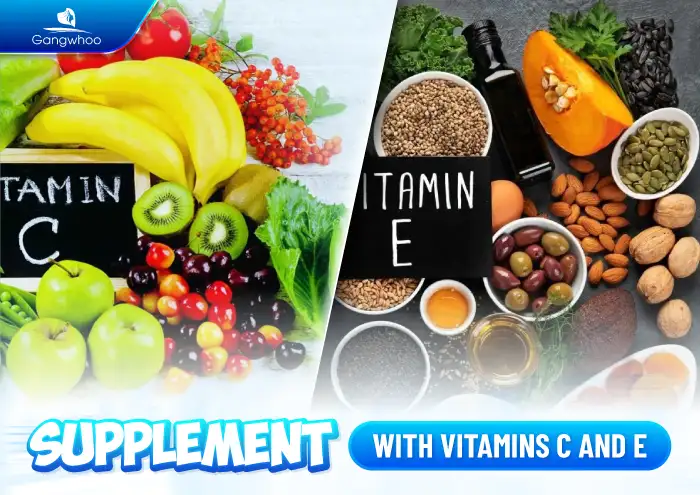
Oranges, lemons, grapefruits, kiwis, almonds, and similar foods help boost immunity, reduce inflammation, and support proper collagen synthesis, helping the eyelid skin heal quickly and appear bright and smooth.
– Eat plenty of green vegetables, whole grains, and fiber-rich foods:
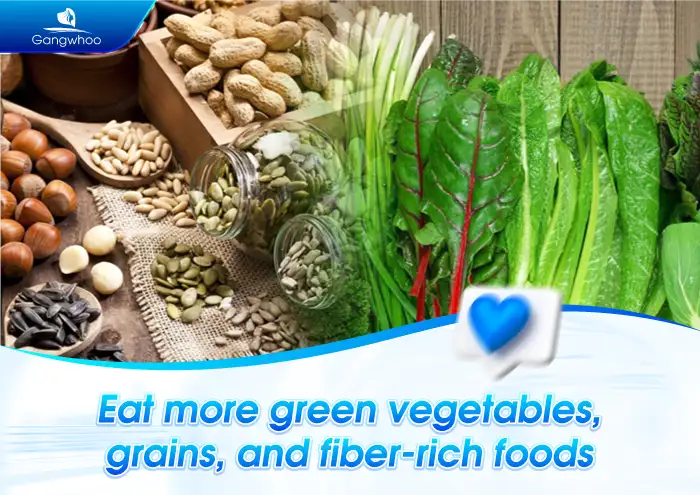
Leafy greens, oats, brown rice, and similar foods help the body eliminate toxins and support better blood circulation, thereby effectively reducing eyelid swelling.
– Drink enough water:
Water helps balance moisture, promote metabolism, and limit darkening around the eye area. Doctors recommend drinking about 2 liters of water per day, combined with fresh fruit juices.
– Supplement iron- and zinc-rich foods:
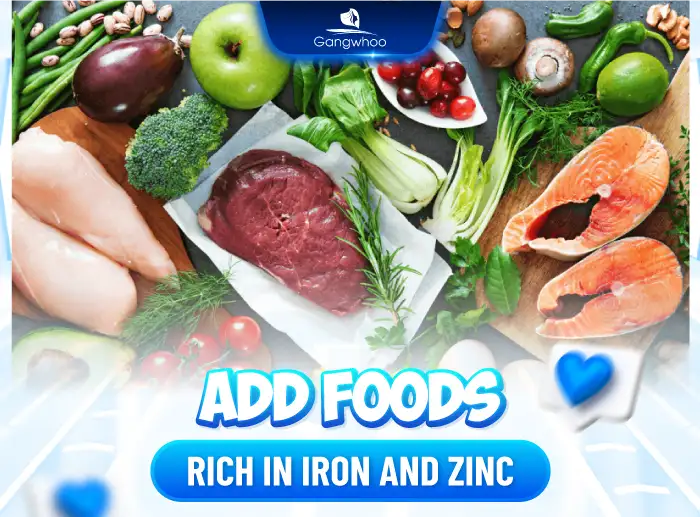
Legumes, lean meat, and eggs (after the wound has healed) help regenerate red blood cells, improve skin pigmentation, and help the eyelids achieve a natural tone.
A proper diet not only helps the eyelids heal faster but also minimizes darkening, discoloration, and hypertrophic scarring—factors that significantly affect post-surgical aesthetics.
Proper post–eyelid surgery care for faster healing
In addition to diet, proper care plays a decisive role in recovery and eyelid shape formation. Below are guidelines from ophthalmic aesthetic specialists at Gangwhoo Cosmetic Hospital:
– Keep the wound dry and clean:
After eyelid surgery, avoid water contact with the surgical area for at least the first 3 days. Clean gently with cotton swabs and saline solution, then apply medication as prescribed by the doctor.
– Cold and warm compresses at the right time:

During the first 48 hours, cold compresses help reduce swelling and bruising. After that, switch to warm compresses to improve blood circulation and promote tissue recovery.
– Rest properly and avoid staying up late:
Adequate sleep helps the eyes relax and reduces fatigue and swelling. Additionally, limit prolonged use of phones or computers to avoid affecting the eyelid muscles.
– Take medication and attend follow-up visits as scheduled:
Follow the doctor’s instructions strictly; do not self-medicate with painkillers, antibiotics, or topical drugs of unknown origin.
If you are planning to undergo or have just undergone endoscopic microsurgical eyelid surgery using exclusive Plasma technology at Gangwhoo Cosmetic Hospital, you can feel reassured, as this advanced technology helps minimize invasiveness, avoid scarring, and significantly shorten recovery time compared to traditional methods.
However, postoperative care and diet still play a crucial role in maintaining long-lasting, beautiful results.
If you still have questions about what foods should be avoided after eyelid surgery or need doctors at Gangwhoo to guide you on a specific postoperative care regimen, you can contact Gangwhoo Cosmetic Hospital directly for detailed consultation and optimal recovery monitoring.


