What Should You Avoid After Eyebrow Tattooing? How Long Should You Avoid It?
Thu Trang
Asked: 26/01/2026
After eyebrow tattooing, what should be avoided and for how long to ensure beautiful color retention and prevent infection? Could the doctor guide me in detail on the proper aftercare steps?
Hello, the doctor understands that after undergoing eyebrow tattooing, proper aftercare and dietary restrictions play a very important role in helping the pigment settle correctly, minimizing inflammation, and maintaining long-lasting, beautiful eyebrow results. Many women often wonder what to avoid after eyebrow tattooing, what foods help speed up healing, and when they can resume normal daily activities. The doctor will explain each part in detail so that you can easily understand and take care of your eyebrows properly.
What should be avoided after eyebrow tattooing?
After tattooing, the skin around the eyebrows is in the epidermal regeneration phase, so diet and daily activities directly affect the healing process and pigment development. Below are the foods and activities that you should avoid after eyebrow tattooing. The doctor will analyze each item specifically so that you clearly understand the medical reasons:
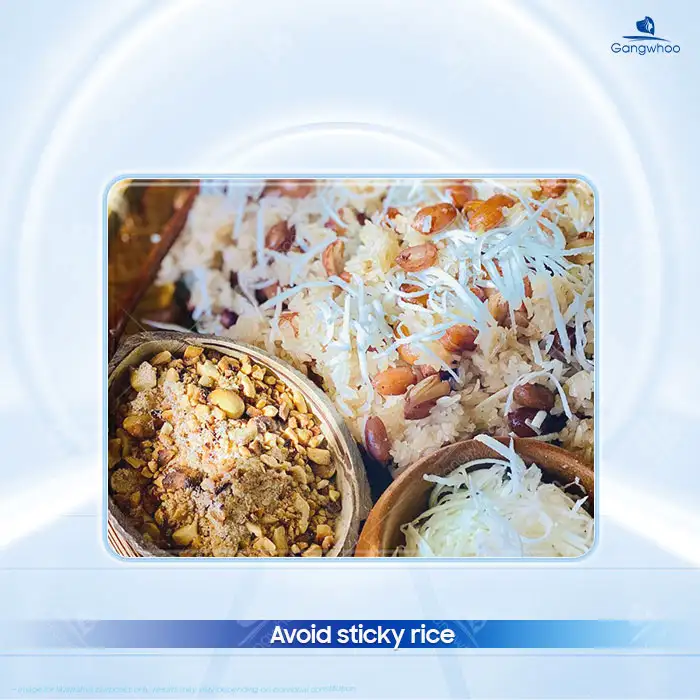
Avoid sticky rice products:
Avoid sticky rice foods to prevent pus formation or negative effects on the aesthetic results
Sticky rice foods such as glutinous rice, sticky rice cakes, and similar items have warming properties that can cause swelling and delay wound healing. Especially for freshly tattooed skin, these foods may keep the eyebrow area moist, slow scab shedding, and result in uneven pigment.
Avoid chicken:
Chicken contains fibrous proteins that may stimulate inflammatory skin reactions, causing itching or hypertrophic scarring in sensitive areas. Doctors recommend avoiding this food for at least the first 2 weeks after tattooing.
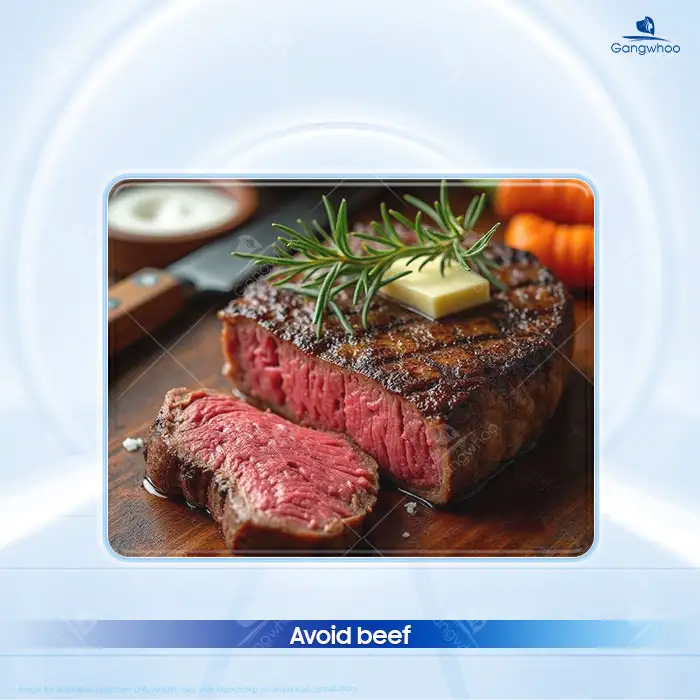
Avoid beef:
Avoid beef to prevent dark pigmentation or blotchy fading after peeling
Beef has a high iron content, which may cause hyperpigmentation during skin regeneration, leading to uneven or excessively dark eyebrow color.
Avoid eggs:
Eggs contain albumin, a protein that can cause pigment dispersion, resulting in light spots or uneven coloration on the eyebrows.
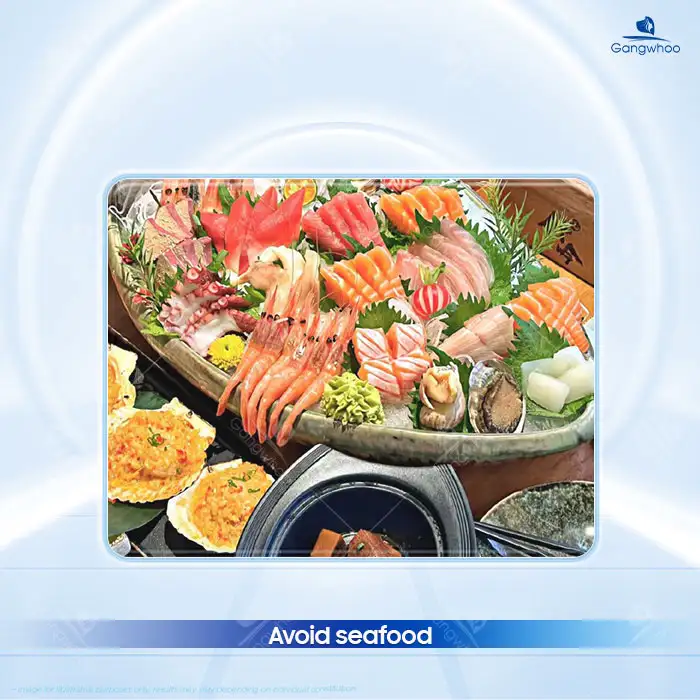
Avoid seafood:
Seafood dishes should also be avoided as they may cause irritation at the treated area
Seafood has cooling properties and may cause itching or allergic reactions in minor wounded skin. For individuals with sensitive skin, seafood consumption can lead to rashes or irritation in the eyebrow area.
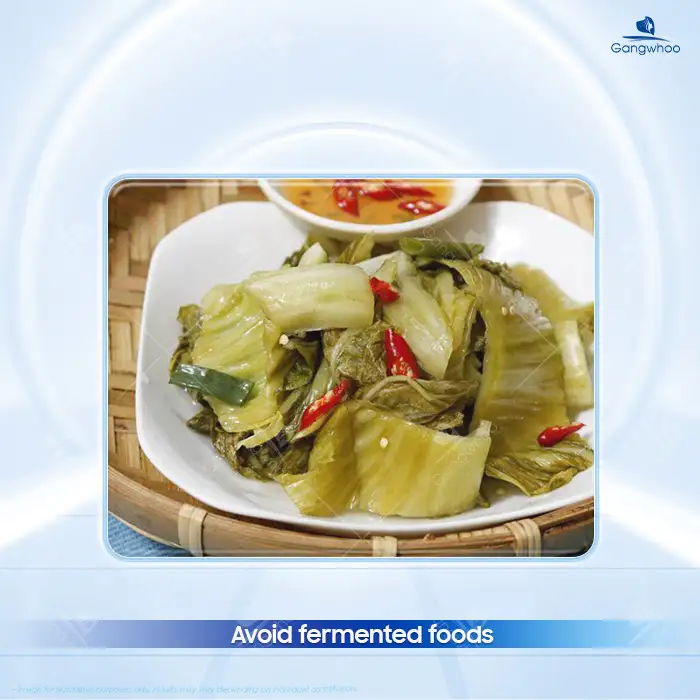
Avoid fermented foods:
Fermented foods can negatively affect skin regeneration and wound healing
Pickled vegetables, kimchi, and similar foods contain fermented bacteria and acids that may interfere with skin regeneration and increase the risk of infection.
Avoid water spinach:
Water spinach contains madecassol, an active compound that stimulates fibroblast proliferation, potentially causing hypertrophic scars or raised tattoo lines. This food should be strictly avoided after eyebrow tattooing.
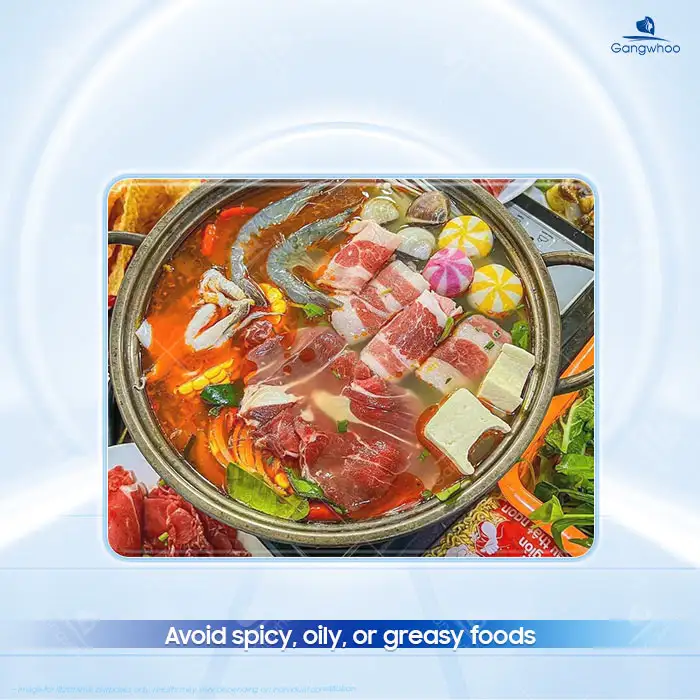
Avoid spicy, hot, and greasy foods:
Spicy and greasy foods should also be avoided to support proper healing
Spicy, fried, or heavily seasoned foods increase body heat and sweating, which can negatively affect skin peeling and pigment development.
Nicotine and alcohol impair blood circulation, making pigment stabilization difficult, increasing the risk of rapid fading, and slowing skin recovery.
Avoid water contact with the eyebrows:
During the first 3–5 days, avoid letting water touch the tattooed area to prevent infection and pigment spreading. When washing your face, use a damp cotton pad to gently clean around the eyebrows.
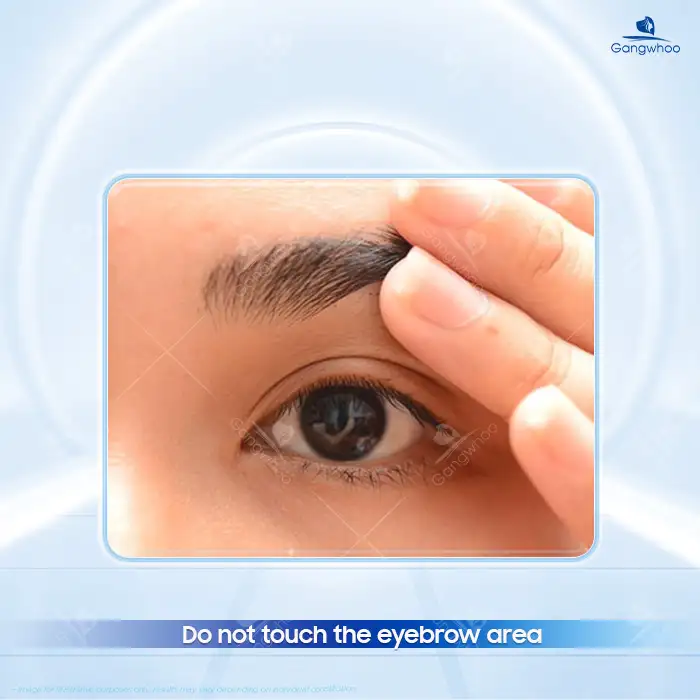
Do not touch or apply pressure to the eyebrow area:
Absolutely avoid touching the eyebrow area after the procedure
Do not scratch, peel scabs, or rub the area, as this can cause premature peeling and directly affect color longevity and eyebrow shape.
Avoid direct sunlight:
UV rays can oxidize pigments, causing premature fading or yellow discoloration. When going outdoors, wear a wide-brimmed hat for protection.
Do not draw or apply makeup on the eyebrows:
While the skin is still sensitive, cosmetics may cause irritation, clog pores, and lead to infection or uneven pigmentation.
In summary, the above foods and activities comprehensively answer the questions what to avoid after eyebrow tattooing and what should be avoided after eyebrow embroidery. Proper adherence will help the eyebrow area heal faster and achieve even, natural color.
How long should you avoid certain foods after eyebrow tattooing?
The duration of dietary restrictions depends on individual healing speed and skin type. Generally:
First 7–10 days: The skin begins to peel; avoid inflammatory or scar-inducing foods such as chicken, water spinach, and seafood.
Following 2–3 weeks: Dietary restrictions can be partially relaxed, but sticky rice products, beef, and eggs should still be limited to stabilize pigment.
After 1 month: The eyebrow area is nearly fully healed, and normal eating can resume.
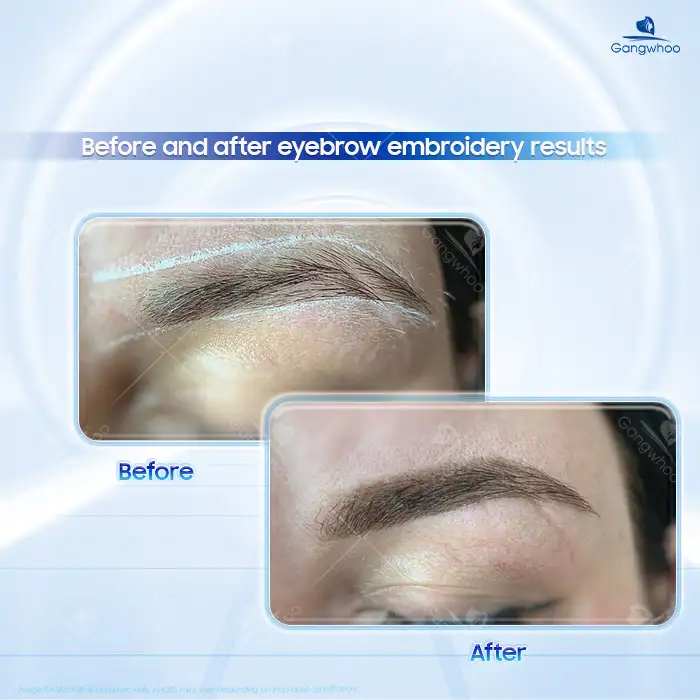
Before-and-after eyebrow tattooing results with fast healing when proper care and diet are followed
In addition to knowing what foods to avoid after eyebrow tattooing, you should also pay attention to what to eat after eyebrow tattooing to support better skin regeneration. Doctors recommend:
Foods rich in vitamin C (oranges, grapefruit, guava) to boost immunity and reduce inflammation.
Green vegetables and fruits to provide fiber and detoxify the body.
Drinking plenty of water to maintain hydration and promote healing.
Supplementing collagen-rich foods or vitamin E to improve skin smoothness after peeling.
Important aftercare notes following eyebrow tattooing
In addition to proper dietary restrictions, please follow these aftercare guidelines to ensure optimal aesthetic results:
Keep the eyebrow area clean and dry; avoid water and cosmetics for the first 5–7 days.
Do not touch, scratch, or peel the healing eyebrow area.
Protect the eyebrows from sunlight to prevent pigment fading.
Avoid eyebrow makeup for at least 10 days after the procedure.
If abnormal signs such as prolonged redness, discharge, or unusual color changes occur, seek medical evaluation immediately.
At Gangwhoo Cosmetic Hospital, after clients undergo eyebrow tattooing or eyebrow microblading, doctors provide detailed guidance on diet, hygiene, and home care tailored to each individual. This helps minimize infection risks while ensuring fast pigment stabilization and natural, harmonious results.
If you are still worried about what to avoid after eyebrow tattooing or need personalized advice based on your skin condition, you can visit Gangwhoo Cosmetic Hospital for a thorough consultation. Specialists will examine your skin, assess pigment characteristics, and design an appropriate care plan to help you achieve well-shaped, evenly colored, and long-lasting beautiful eyebrows.
Gangwhoo Cosmetic Hospital – a leading reputable address in medically standardized eyebrow tattooing and microblading, committed to delivering natural, safe, and refined beauty. “`