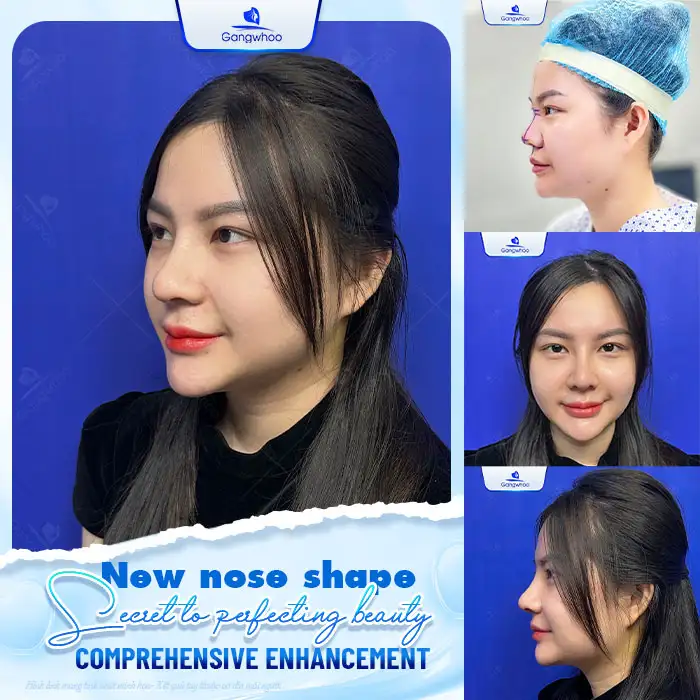
Can people prone to keloid scarring undergo nose augmentation, and are there any risks?
Thi Lan
Rhinoplasty
Asked: 23/12/2025
If I have a keloid-prone skin type, can I still undergo nose augmentation, doctor? Is there a risk of developing large scars or other complications? I am very worried about this issue.
Hello, many clients share the same concern, asking, “Can people with a keloid-prone skin type undergo nose augmentation?” and worrying about whether the postoperative result will leave unsightly scars. This issue is directly related to each individual’s wound-healing characteristics, so the doctor will explain it clearly to help you have a scientific understanding and feel more at ease before making a decision.
Can people with keloid-prone skin undergo nose augmentation?
The doctor’s assessment is that people with a keloid-prone skin type can absolutely undergo nose augmentation; however, the prerequisite is that the procedure must be performed at a reputable cosmetic hospital, with direct intervention by a board-certified plastic surgeon. In this group of patients, the incision technique, soft-tissue handling, and wound-closure suturing must be meticulous and highly precise to minimize the risk of scar formation.
From an anatomical perspective, the nasal skin is quite unique: it is relatively thin, contains less fibrous tissue, and is not subjected to as much mechanical tension as areas such as the shoulders, chest, or back—sites that commonly have a higher incidence of keloid scarring. Therefore, the risk of keloid formation after nose augmentation in this patient group is very low, even among those predisposed to scarring. However, it should not be underestimated, as scars may still occur if the surgical process does not meet medical standards or if postoperative care is inadequate.
For this reason, the surgeon’s technique, the materials used, the postoperative care regimen, and the patient’s adherence to medical instructions are all key factors determining whether the wound heals well and whether unsightly scarring is minimized. When these conditions are properly ensured, individuals with keloid-prone skin can still achieve a beautiful, harmonious, and safe nasal result.
Why do some people develop keloid scars after nose augmentation?
There are several reasons explaining why some cases develop keloid or hypertrophic scars after nose augmentation, including:
Genetic predisposition to scarring: This is a congenital factor; individuals in this group tend to overproduce collagen when a wound occurs, leading to scar formation.
Inaccurate suturing and incision management: If the surgeon does not close the wound layer by layer correctly, or fails to ensure appropriate tightness and tension, the risk of keloid scarring increases.
Improper postoperative care after nose augmentation: Excessive manipulation of the nose, non–medical-standard hygiene, or consuming foods believed to increase scarring risk such as beef, water spinach, and seafood can also raise the likelihood of scarring.
Lack of timely medical support: When early signs of keloid formation appear but are not promptly managed—such as using post-rhinoplasty scar creams, laser therapy, or anti-scar injections—the condition may worsen.
Important notes for keloid-prone individuals considering nose augmentation
If you have a keloid-prone skin type but wish to undergo nose augmentation, the doctor advises paying special attention to the following points:
Choose a reputable facility: The procedure should be performed at a licensed cosmetic hospital with an experienced plastic surgeon who understands skin characteristics and scar tissue behavior.
Meticulous suturing technique: The incision must be precise, skin tension minimized, and specialized cosmetic sutures used to reduce the risk of scar formation.
Strict postoperative care: Clean the incision according to instructions, avoid impact, limit direct sun exposure, and avoid scar-promoting foods for at least the first month.
Preventive scar management: Medical-grade products such as post-rhinoplasty scar creams can be used once the wound has epithelialized, along with regular follow-up visits for monitoring.
Early intervention if scarring signs appear: If the incision area becomes red, firm, or abnormally raised, return immediately for appropriate treatment.
If you have a keloid-prone skin type but still wish to achieve a harmonious and safe nasal enhancement, visit Gangwhoo Cosmetic Hospital directly for a thorough examination, detailed consultation, and a personalized treatment plan. At Gangwhoo, all procedures strictly adhere to medical standards, helping clients achieve a beautiful, natural nose while effectively controlling the risk of scar formation.
I’ve heard that nowadays there are Nano breast implants without identification chips, which are different from implants with embedded chips. Doctor, could you explain exactly what Nano implants without chips are, what their advantages and disadvantages are, and whether I should choose this type? I’m a bit concerned about having a “chip” inside my body, […]
Doctor, after my rhinoplasty, I noticed that the tip of my nose feels a bit hard compared to normal, and it feels quite uncomfortable. I don’t know what causes this or whether it is a normal condition or an abnormal sign that requires a medical check-up. If this is a normal condition, what should I […]
I am interested in endoscopic breast augmentation because I’ve heard it is gentler than traditional methods. However, I am still a bit afraid of pain and concerned about risks after surgery. Doctor, could you tell me whether endoscopic breast augmentation is painful, what the procedure involves, and what should be noted after surgery to recover […]
Hello Doctor, I just underwent a rhinoplasty and am very concerned about post-operative care. Could you please advise me on the correct and scientific way to care for my nose after surgery so that it recovers quickly, reduces swelling and pain, and avoids complications? Additionally, I would like to know any important precautions during the […]
I am learning about nasal surgery and have seen many people share that rhinoplasty not only enhances beauty but also helps the face look more refined and boosts confidence. So, doctor, could you please share the practical benefits of rhinoplasty, and whether it is worth considering if my nose is slightly low but still balanced?
Doctor, my mother is 50 years old this year. She feels very self-conscious because her nasal bridge is low and slightly wide. I would like to ask whether older adults should undergo rhinoplasty, whether the surgery affects health, and at this age, which method would be the safest?