Guidelines for Proper Post-Rhinoplasty Care to Promote Fast Recovery
Bich Phuong
Rhinoplasty
Asked: 19/03/2026
Hello Doctor, I just underwent a rhinoplasty and am very concerned about post-operative care. Could you please advise me on the correct and scientific way to care for my nose after surgery so that it recovers quickly, reduces swelling and pain, and avoids complications? Additionally, I would like to know any important precautions during the first few days to ensure my nose looks natural.
Hello, thank you for your question. This is a very common concern for many patients after rhinoplasty. The doctor will provide detailed guidance to help you better understand post-rhinoplasty care and the typical signs to watch for so you can feel more confident during the recovery process.
Post-Rhinoplasty Care Instructions
After rhinoplasty, proper care is essential to promote fast recovery, reduce swelling and pain, prevent infection or complications, and maintain a naturally beautiful nose. Below are the post-operative care instructions following medical standards:
Maintain Cleanliness of the Nose and Surgical Wound
The incision after rhinoplasty is a very sensitive open wound, easily susceptible to bacterial infection. Therefore, maintaining proper hygiene is mandatory.
Use 0.9% saline solution (isotonic NaCl) to gently rinse the nose and surgical area 2-3 times per day during the first week to remove exudate, clotted blood, and debris without irritating the soft tissue.
Do not rub or scratch the incision with your hands to avoid tissue damage, abrasions, or nose deformity.
Avoid exposure to dirty water, dust, or strong cleaning agents on the nose during the first day.
Proper hygiene reduces the risk of infection and helps tissue regenerate and heal faster.
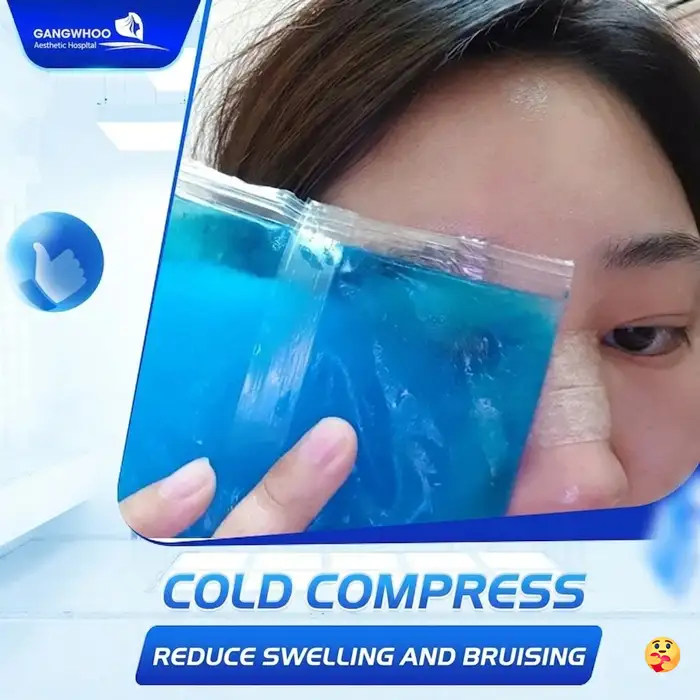
Cold Compress to Reduce Swelling and Bruising
Rhinoplasty causes trauma to the soft tissue, affecting blood circulation in the nasal area, resulting in swelling and bruising around the eyes and nose. Applying cold compresses correctly can help reduce this effect:
During the first 48–72 hours post-surgery (acute inflammation phase), use an ice pack or ice wrapped in a soft cloth to gently compress the nasal bridge and eye area for 15–20 minutes at a time, every 1–2 hours.
Cold compresses constrict blood vessels, reducing blood leakage into the interstitial tissue, thereby significantly decreasing swelling and bruising.
Do not apply ice directly to the skin to avoid frostbite.
After 3 days, when inflammatory fluid decreases, you may switch to a mild warm compress to stimulate blood circulation and accelerate tissue recovery.
Follow Prescribed Medications
The doctor will prescribe painkillers, non-steroidal anti-inflammatory drugs (NSAIDs), or corticosteroids to reduce pain and swelling, along with prophylactic antibiotics to prevent infection.
Take medications exactly as directed, do not skip doses or alter dosage as this may affect recovery.
Additional supplements to support tissue regeneration, boost immunity, and vitamins may be prescribed as needed.
Adhering to the prescribed medication regimen is crucial to minimize post-operative complications.
Limit Physical Activity and Avoid Impact on the Nose
In the first days after surgery, the nose is very sensitive and vulnerable:
Avoid strenuous activities, intense exercise, or lifting heavy objects for at least 2 weeks to prevent mechanical impact that could shift the nose or cause hematoma.
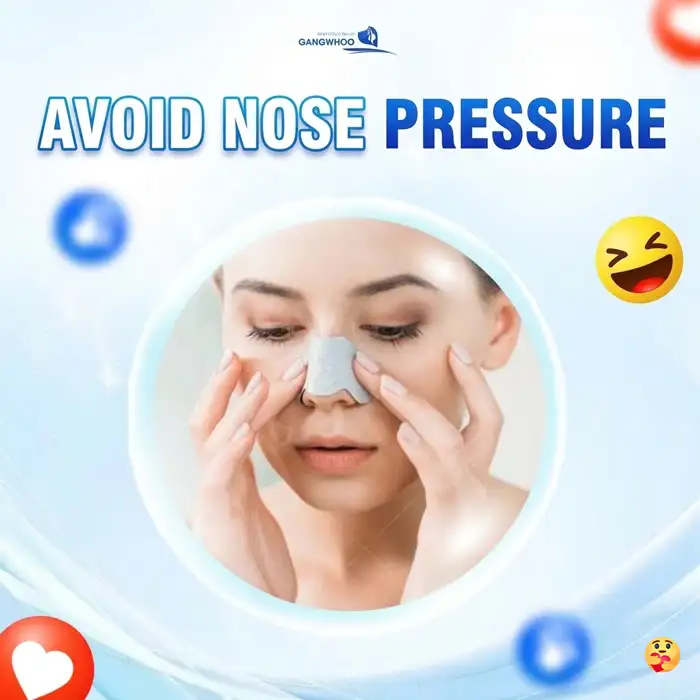
Do not touch, press, manipulate, or pick the nose during recovery to prevent nasal bridge displacement or damage to the nasal support.
When sleeping, it is best to keep your head elevated (30–45 degrees) to reduce swelling and pain.
Avoid Sun Exposure and Skin Irritants
Post-operative nasal skin is fragile and easily damaged:
High temperatures and UV rays can increase inflammation, prolong swelling, and lead to hyperpigmented scars.
Protect your nose outdoors with a mask, sunglasses, wide-brimmed hat, or avoid peak sun hours.
Avoid strong skincare products or exfoliants on the nose until fully healed.
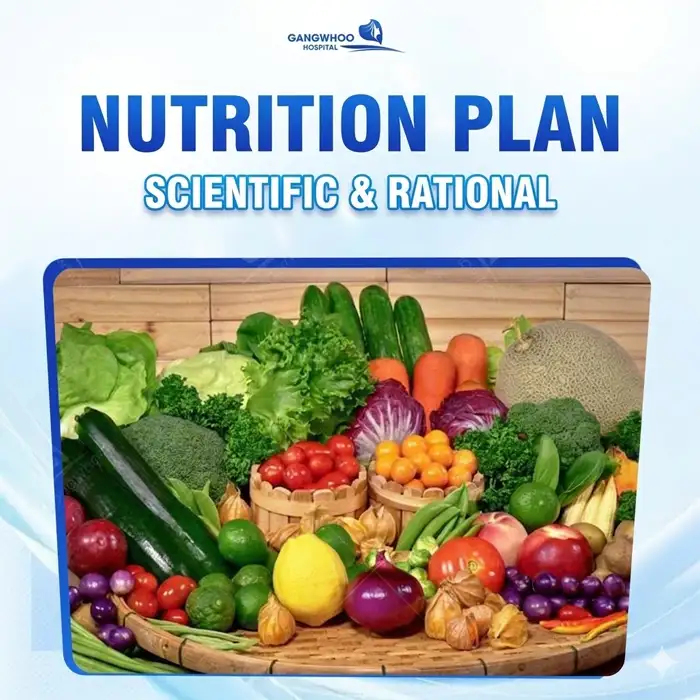
Balanced and Nutritious Diet
Nutrition plays an important role in wound healing:
Increase intake of foods rich in vitamin C (oranges, lemons, strawberries), vitamin A (carrots, pumpkin), zinc (seafood, seeds), and protein (meat, fish, eggs) to promote collagen synthesis, tissue regeneration, and skin strength.
Avoid foods that may cause hypertrophic scarring or inflammation such as beef, water spinach, sticky rice, and seafood for at least 3–4 weeks.
Drink sufficient water to maintain skin hydration and detoxify the body.
Follow-up and Monitor Recovery Progress
Regular follow-up visits allow the doctor to assess healing, check for infection or early complications, and adjust treatment if necessary.
If you notice abnormal signs such as increased swelling or pain, pus discharge, redness, high fever, contact your doctor immediately for prompt care.
Typically, swelling reduces significantly after 7–10 days, wounds start to close, and the nose stabilizes in shape and softness within 1–3 months depending on individual recovery.
Common Post-Rhinoplasty Signs
After surgery, your body may exhibit some normal physiological reactions during healing:
Swelling around the nose and eyes: peaks on day 2–3 and gradually decreases in the first week.
Mild bruising near the nose or eyes: caused by mechanical trauma during surgery, rarely affecting long-term aesthetics.
Mild pain or tightness in the nasal area: usually easily controlled with prescribed painkillers and subsides within a few days.
Numbness or temporary loss of sensation in the nose: due to temporary nerve disruption in the treated tissue, usually resolves within a few weeks.
Clear or pale yellow discharge: minor discharge in the first 1–2 days is normal and not accompanied by itching or odor.
If prolonged swelling, severe pain, yellow pus, widespread redness, high fever, or continuous bleeding occurs, consult your doctor immediately.
In summary, proper post-rhinoplasty care is crucial for recovery and long-term aesthetic results. Pay attention to hygiene, avoid strenuous activity, follow your doctor’s instructions, and attend regular follow-ups.
For personalized advice or further questions, don’t hesitate to ask your doctor or contact Gangwhoo Cosmetic Hospital for dedicated support.
Wishing you a naturally beautiful new nose and good health!
I’ve heard that nowadays there are Nano breast implants without identification chips, which are different from implants with embedded chips. Doctor, could you explain exactly what Nano implants without chips are, what their advantages and disadvantages are, and whether I should choose this type? I’m a bit concerned about having a “chip” inside my body, […]
Doctor, after my rhinoplasty, I noticed that the tip of my nose feels a bit hard compared to normal, and it feels quite uncomfortable. I don’t know what causes this or whether it is a normal condition or an abnormal sign that requires a medical check-up. If this is a normal condition, what should I […]
I am interested in endoscopic breast augmentation because I’ve heard it is gentler than traditional methods. However, I am still a bit afraid of pain and concerned about risks after surgery. Doctor, could you tell me whether endoscopic breast augmentation is painful, what the procedure involves, and what should be noted after surgery to recover […]
I am learning about nasal surgery and have seen many people share that rhinoplasty not only enhances beauty but also helps the face look more refined and boosts confidence. So, doctor, could you please share the practical benefits of rhinoplasty, and whether it is worth considering if my nose is slightly low but still balanced?
Doctor, my mother is 50 years old this year. She feels very self-conscious because her nasal bridge is low and slightly wide. I would like to ask whether older adults should undergo rhinoplasty, whether the surgery affects health, and at this age, which method would be the safest?
I really enjoy spicy food, but I had rhinoplasty just one week ago. Many people say that spicy food should be completely avoided, but I’m not sure if that’s true. So is it harmful to eat spicy food after rhinoplasty, and if it is allowed, what level would be considered safe?