How to Treat Acne for Sensitive Skin Without Causing Irritation
Vu Thu Ha
Asked: 31/05/2026
I have very sensitive skin. Whenever I switch skincare products or the weather becomes hot, I tend to break out. I would like to ask the Doctor about safe acne treatment methods for sensitive skin that will not cause irritation. I am concerned that using the wrong products may worsen my condition, so I hope the Doctor can provide a detailed explanation.
Hello, sensitive skin is one of the most challenging skin types because it is easily irritated, prone to redness, and especially susceptible to acne breakouts. Improper treatment can further weaken the skin, worsen inflammation, or trigger prolonged acne flare-ups. Therefore, when it comes to acne treatment for sensitive skin, the Doctor must evaluate the condition based on the skin barrier mechanism, inflammatory responses, and each active ingredient’s tolerance level. The Doctor will provide a detailed analysis to help you better understand your condition and choose the safest and most effective treatment approach.
Characteristics of Sensitive Skin
Sensitive skin is a condition in which the skin is easily irritated by environmental factors, cosmetic products, or hormonal changes. It is not a separate skin type but rather the result of a compromised skin barrier, which causes the skin to overreact to normally harmless stimuli.
From a dermatological perspective, sensitive skin has the following characteristics:
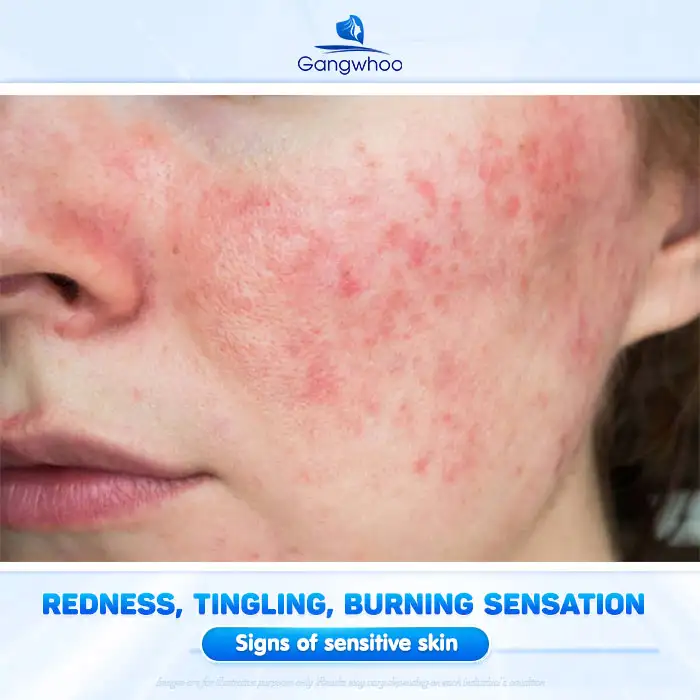
Redness, Stinging, and Burning Sensations Are Signs of Sensitive Skin
Prone to Redness, Stinging, and Burning: These reactions commonly occur immediately after using a new product or being exposed to sunlight.
Dryness, Mild Flaking, or Tightness: A weakened skin barrier allows moisture to escape quickly, resulting in dryness and increased susceptibility to inflammation.
Prone to Allergic Reactions to Cosmetics or Fragrances: Sensitive skin often reacts strongly to fragrances, drying alcohols, essential oils, or preservatives.
Persistent Acne Breakouts: When the skin barrier is compromised, bacteria can penetrate more easily, leading to mild to moderate inflammatory acne or persistent tiny pimples.
Symptoms Vary Over Time: Sensitive skin is not always reactive, but inflammation can easily be triggered by sleep deprivation, stress, or product changes.
Understanding these characteristics is essential to learning how to treat acne for sensitive skin properly without further weakening or thinning the skin.
Causes of Acne in Sensitive Skin
Sensitive skin is generally more prone to acne than normal skin for the following reasons:
Common Causes of Acne in Sensitive Skin
Damaged Skin Barrier:
When the protective lipid layer is disrupted, bacteria and dirt can easily penetrate hair follicles, causing inflammation and acne formation.
Using Unsuitable Cosmetic Products:
Products containing alcohol, fragrances, parabens, or strong essential oils may cause irritation and trigger widespread breakouts.
Using Strong Active Ingredients Too Early:
High concentrations of BHA, AHA, retinol, or benzoyl peroxide can further damage sensitive skin and provoke acne flare-ups.
Over-Cleansing the Skin:
Excessive cleansing or vigorous rubbing with towels strips moisture from the skin and increases inflammation.
Hormonal Changes:
Stress, lack of sleep, menstruation, or hormonal imbalances can trigger acne in sensitive skin.
Environmental Pollution and Fine Dust:
Sensitive skin often reacts immediately to environmental aggressors, resulting in red pimples or tiny acne lesions.
In summary, acne in sensitive skin is caused by a combination of a weakened skin barrier, inflammation, and irritation. Therefore, treatment should follow the principle of being “gentle, gradual, and consistent.”
How to Treat Acne for Sensitive Skin
For sensitive skin, the most important principle is to restore the skin barrier first and treat acne second. Below is a treatment protocol consisting of gentle skincare products, safe topical medications, and non-invasive technologies.
Gentle Skincare Products for Sensitive Skin (First Priority)
Use Gentle Products for Sensitive Skin
pH 5.5 Gel Cleanser: Cleanses the skin without stripping away its natural oils.
Barrier-Repair Moisturizer: Contains ceramides, panthenol, hyaluronic acid, or low-concentration niacinamide to strengthen the skin barrier.
Gentle Acne Treatment Products:
Low-concentration BHA (0.5%)
Azelaic Acid 10–15%
Niacinamide 4–5%
These ingredients help reduce inflammation and unclog pores without causing significant irritation.
Safe Topical Acne Medications for Sensitive Skin
For mild inflammatory acne or persistent tiny pimples, the Doctor may prescribe:
Prioritize Safe Topical Acne Treatments for Sensitive Skin
Topical Antibiotics: Clindamycin or erythromycin help reduce mild inflammation without excessively drying the skin.
Azelaic Acid: Suitable for sensitive skin and effective for treating acne and post-inflammatory hyperpigmentation.
Adapalene 0.1%: Applied every other day to allow the skin to gradually adapt. It is the mildest retinoid and is generally safe for easily irritated skin.
All topical medications must be used at the correct dosage and frequency to prevent irritation flare-ups.
Non-Invasive Acne Treatment Technologies (Suitable for Sensitive Skin)
At Gangwhoo Cosmetic Hospital, doctors utilize gentle and safe technologies that help reduce acne without damaging the skin:
Advanced Technologies for Gentle, Safe, and Non-Damaging Acne Treatment
LED Phototherapy:
Reduces redness and inflammation while gently regulating sebaceous gland activity.
Cold Plasma Therapy:
Eliminates bacteria, reduces inflammation, and promotes skin tissue repair, making it highly effective for sensitive skin.
Restorative Peels (Low-Concentration AHA/BHA):
Gently remove dead skin cells and improve comedonal acne without causing redness or peeling.
Medical-Grade Acne Extraction:
Ensures sterility and minimizes skin trauma, making it especially suitable for sensitive skin.
These treatments are customized according to each individual’s sensitivity level and acne type to ensure optimal results.
Mistakes to Avoid When Treating Acne for Sensitive Skin
To ensure safe and effective treatment, you should strictly avoid:
Avoid Using Multiple Potent Active Ingredients Simultaneously
Using Multiple Potent Active Ingredients at the Same Time: Combining AHA, BHA, and retinol can cause severe irritation, redness, and peeling.
Using Physical Exfoliants: Scrub particles may damage the skin and worsen inflammatory acne.
Frequently Changing Products: Sensitive skin requires 2–4 weeks to adapt. Constantly changing products can further weaken the skin.
Using Strongly Fragranced Cosmetics: Fragrances and essential oils are among the leading causes of irritation.
Overwashing the Face: Disrupts the oil-moisture balance, making the skin drier and more prone to acne.
Squeezing Pimples Yourself: Sensitive skin is easily damaged, so self-extraction can quickly lead to hyperpigmentation and scarring.
Treating acne in sensitive skin requires patience and the right strategy. You must simultaneously restore the skin barrier and control inflammation to achieve long-term acne improvement. If you have tried various methods but your skin remains red, irritated, flaky, or your acne continues to worsen, visit Gangwhoo Cosmetic Hospital for professional skin analysis and treatment with technologies suitable for sensitive skin, such as LED Phototherapy, Cold Plasma Therapy, or Restorative Peels.