Hello, many people experience acne without knowing exactly where it comes from, why treatments do not work, or why the condition worsens despite treatment. To help you properly understand the causes of acne and treatment methods, the Doctor will explain according to medical standards—based on the skin’s actual mechanisms—and present everything clearly so it is easy to understand. When you understand the root causes, you will know which treatment direction is appropriate, when self-care is sufficient, and when professional medical intervention is necessary.
Common Causes of Acne
When discussing the causes of acne and treatment methods, the first thing to understand is that acne is not simply caused by “dirty skin.” It is the result of multiple contributing factors occurring simultaneously. Acne develops when pores become clogged and Cutibacterium acnes bacteria proliferate in an oily, inflammatory environment. The Doctor explains the common causes as follows:
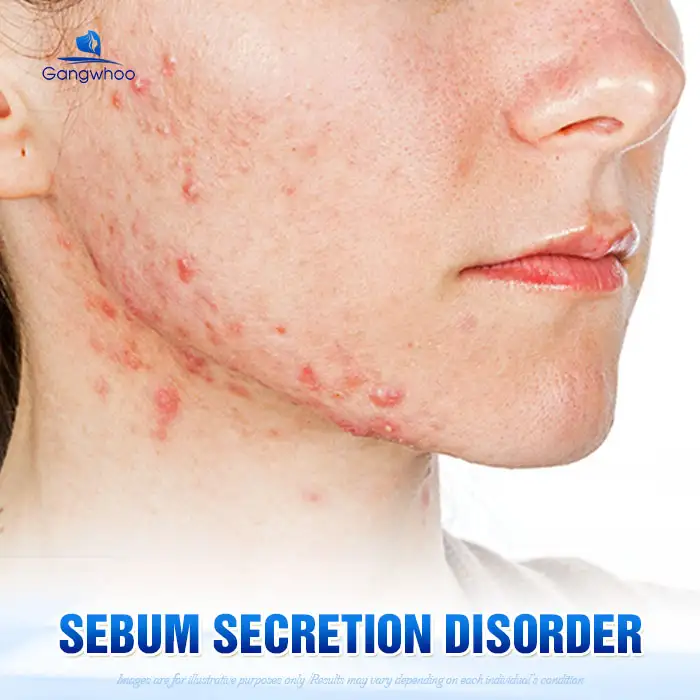
Overactive sebaceous glands produce excess oil, which combines with dead skin cells and clogs hair follicles. This is the leading cause of acne during puberty and in individuals with naturally oily skin.
This may result from accelerated skin keratinization, heavy makeup, improper cleansing, or the use of comedogenic cosmetic products. When pores become blocked, acne lesions can easily form.
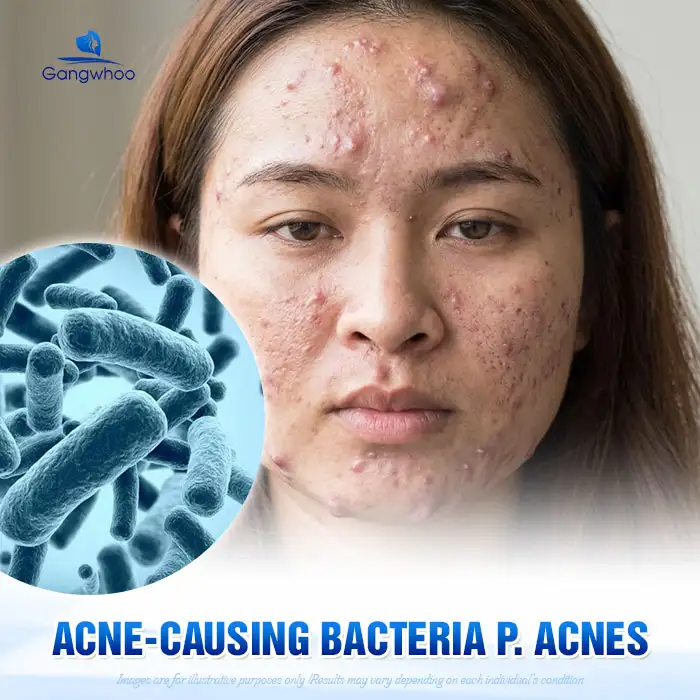
These bacteria thrive in oily environments, causing redness, inflammation, swelling, and pain—especially in inflammatory acne and cystic acne.
Hormonal fluctuations during puberty, menstruation, stress, sleep deprivation, or polycystic ovary syndrome (PCOS) can increase androgen levels, stimulate sebaceous gland activity, and lead to persistent acne.
If your parents experienced severe acne, you may have a higher risk of developing prolonged acne conditions.
- Unhealthy Lifestyle and Diet:

Consuming excessive sugar, dairy products, fried foods, staying up late, and chronic stress can increase inflammatory responses in the body, making acne flare-ups more likely.
- Cosmetic Allergies or Improper Skincare:
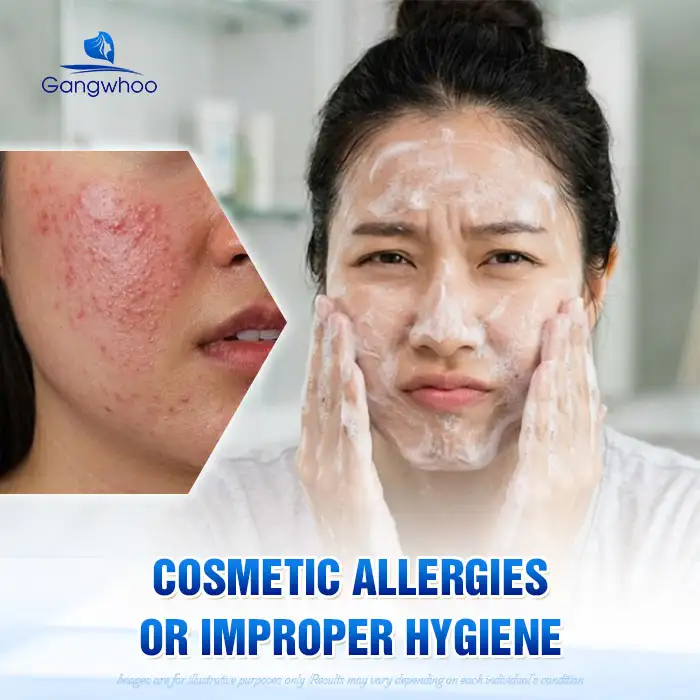
Inadequate makeup removal, unsuitable skincare products, or products containing high levels of alcohol and fragrances can irritate the skin and trigger acne.
Understanding the exact cause helps determine the appropriate treatment approach instead of treating acne based solely on assumptions without achieving effective results.
Acne Treatment According to Severity
Acne treatment should be tailored to its severity because each stage responds differently to treatment. The Doctor categorizes treatment into three groups: home care, medication-based treatment, and advanced technology treatments for easier understanding.
Home Acne Treatment
For mild to moderate acne, you may manage your skin at home using the following 11 methods:
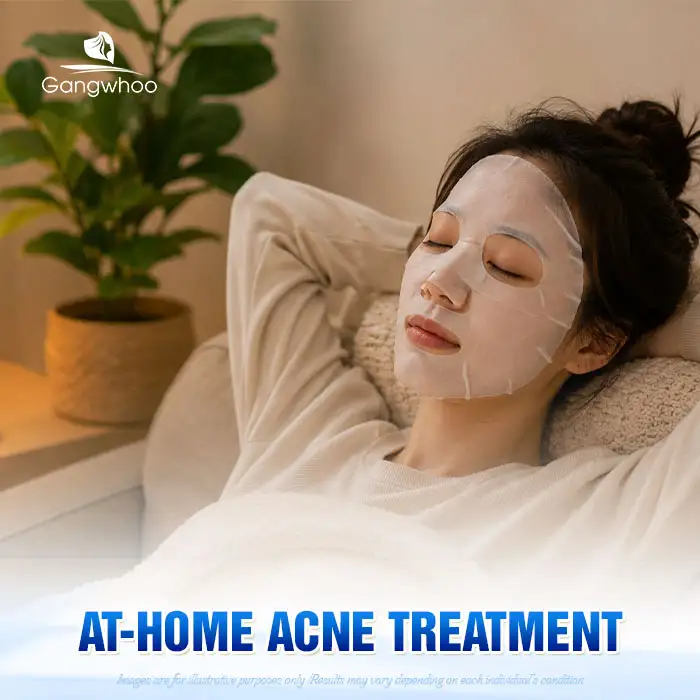
- Cleanse Properly: Wash your face only twice daily and choose a gentle cleanser with a pH of approximately 5.5 to maintain the skin barrier.
- Use a Suitable Cleanser: Oily skin should choose products containing BHA, while dry skin benefits from gel-based cleansers or products containing ceramides.
- BHA (Salicylic Acid): Penetrates deeply into pores, removes excess oil, and helps treat blackheads and whiteheads.
- Benzoyl Peroxide: Reduces P. acnes bacteria and is suitable for mild inflammatory acne.
- Retinol/Adapalene: Reduces hyperkeratinization, regulates skin cell turnover, and provides long-term acne control through medically proven mechanisms.
- Niacinamide: Controls oil production, reduces inflammation, and strengthens the skin barrier.
- Chemical Exfoliation: AHA/BHA helps unclog pores and reduce comedonal acne.
- Aloe Vera Gel or Tea Tree Oil: Provides mild anti-inflammatory effects and soothes the skin.
- Limit Makeup or Choose Non-Comedogenic Products: Helps prevent pore blockage, especially for acne-prone skin.
- Maintain a Healthy Diet: Reduce sugar, dairy products, and greasy foods while increasing vegetables to minimize inflammation.
- Get Adequate Sleep and Reduce Stress: Stable hormone levels can significantly improve acne.
These measures form the most important foundation in managing the causes of acne and treatment methods for mild acne cases.
Medication-Based Acne Treatment
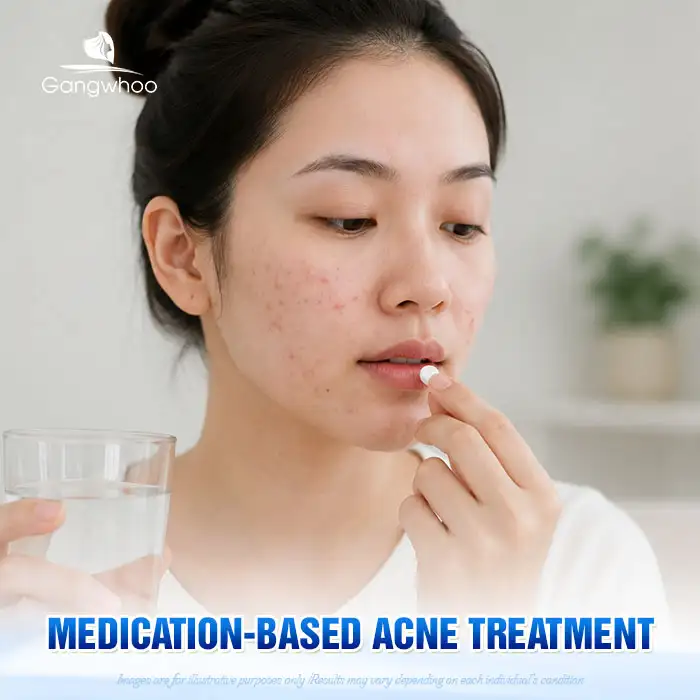
If you have inflammatory acne, cystic acne, or persistent acne that does not respond to home care, the Doctor may prescribe:
- Topical Medications: Antibiotics (Clindamycin), prescription retinoids, azelaic acid, and higher-strength adapalene.
- Oral Medications: Antibiotics (tetracycline, doxycycline), hormonal therapy for women with hormonal imbalances, or isotretinoin (Accutane) for severe acne.
Medication use should always be monitored by a dermatologist to minimize potential side effects.
Advanced Technology Treatments
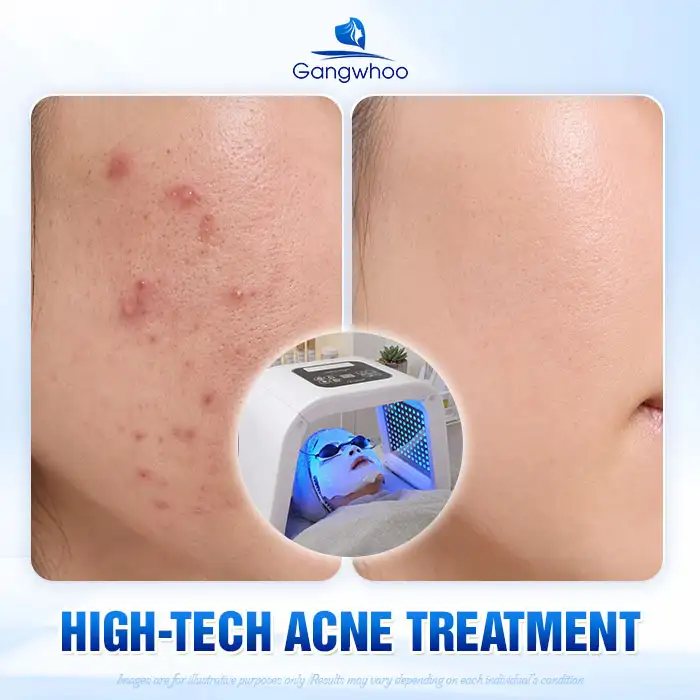
For severe acne, cystic acne, nodular acne, or recurrent acne, advanced technologies often provide faster and safer results.
At Gangwhoo Cosmetic Hospital, the following technologies are utilized:
- Laser Gold: Reduces deep inflammation, eliminates P. acnes, and accelerates lesion drying.
- Skin Get IPL: Stabilizes sebaceous gland activity and effectively treats comedonal acne and blackheads.
- Cold Plasma: Provides powerful antibacterial effects, reduces redness, and accelerates skin recovery.
- Medical-Grade Chemical Peels: Remove dead skin buildup, reduce post-inflammatory hyperpigmentation, and assist in clearing acne lesions.
- LED Phototherapy: Reduces swelling, inflammation, and soothes the skin.
Treatment protocols are personalized according to each acne type and individual skin condition.
Important Considerations During Acne Treatment
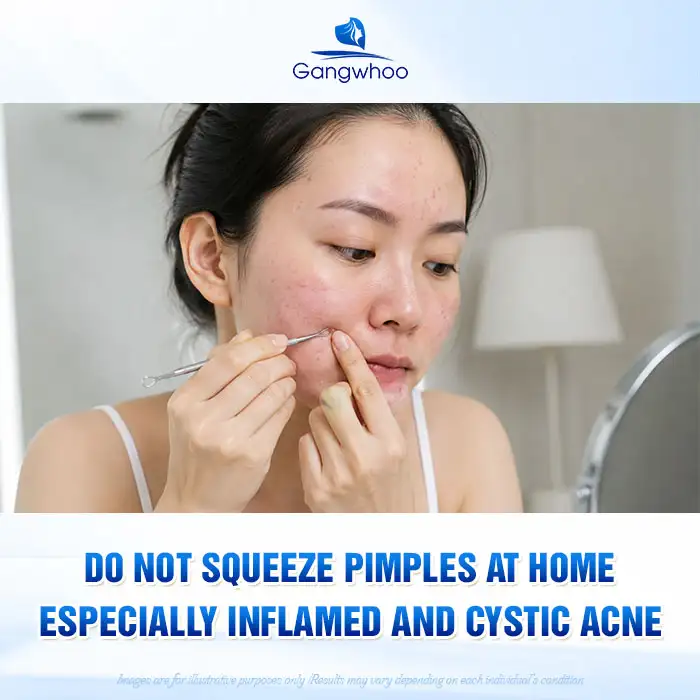
- Do not squeeze pimples at home, particularly inflammatory or cystic lesions.
- Avoid using multiple strong active ingredients simultaneously (e.g., retinol combined with AHA/BHA).
- Apply sunscreen daily because UV exposure can worsen inflammation and increase the risk of hyperpigmentation.
- Keep your skincare routine simple, ideally no more than six steps.
- Avoid frequently switching products, as the skin requires time to adapt.
- Prioritize non-comedogenic skincare products.
These factors play a decisive role in treatment success.
Habits That Help Prevent Acne Recurrence
To maintain results and reduce the likelihood of acne recurrence, you should:
- Drink enough water and sleep before 11:00 PM.
- Avoid touching your face.
- Wash pillowcases and face towels 2–3 times per week.
- Remove makeup every day, even if you do not wear makeup.
- Exercise regularly to help regulate hormones.
- Maintain a healthy diet and limit sugar and dairy intake.
- Use a stable skincare routine and avoid changing products frequently.
Acne is not solely a skin issue; it is also influenced by overall lifestyle factors. Therefore, long-term prevention is essential for effective acne control.
Effective acne treatment requires identifying the underlying causes, accurately assessing severity, and establishing an appropriate treatment plan. If home care is ineffective or inflammatory acne becomes severe, you should visit Gangwhoo Cosmetic Hospital for professional skin analysis, in-depth evaluation, and a personalized treatment protocol.
Gangwhoo Cosmetic Hospital offers comprehensive acne treatment services, including medical-grade comedone extraction, chemical peels, acne laser therapy, IPL, cold plasma therapy, and advanced cosmeceutical treatment protocols—addressing all acne conditions from mild to complex.


