Hello, I understand that nowadays many women choose thread facelift because they believe it is a quick, minimally invasive method that can rejuvenate the skin immediately after the procedure. However, if it is not performed with proper technique or if low-quality threads are used, this method can cause complications from mild to severe. Today, I will share more clearly about this issue so that you can have an accurate and safer perspective when choosing a skin rejuvenation method.
What are the complications of thread facelift?
Complications of thread facelift are abnormal reactions that occur after the procedure of inserting threads under the skin, including aesthetic complications (uneven skin surface, asymmetry, hematoma, etc.) and medical complications (infection, inflammation, tissue necrosis).
From a professional perspective, thread facelift is a technique that places biocompatible threads (commonly PDO, PCL, or PLLA threads) into the subdermal tissue to stimulate collagen production and lift sagging skin. If the manipulation is inaccurate, the threads are not placed in the correct layer, or the wrong type of thread is used, the risk of complications from thread facelift is very high.
Common complications include:
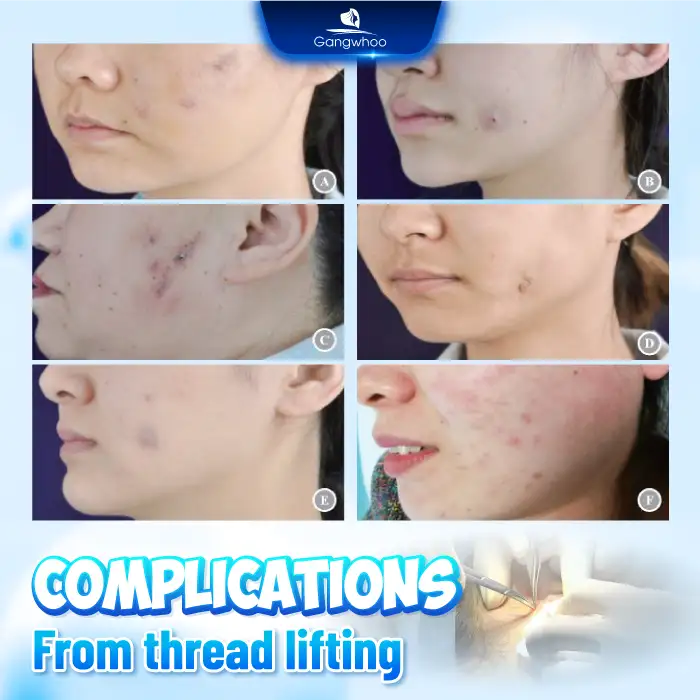
- Exposed threads, threads protruding through the skin: caused by threads being placed too superficially or using threads that are not suitable for the tissue thickness.
- Skin indentations, bumps, or facial distortion: caused by uneven pulling force between both sides or thread accumulation at one point.
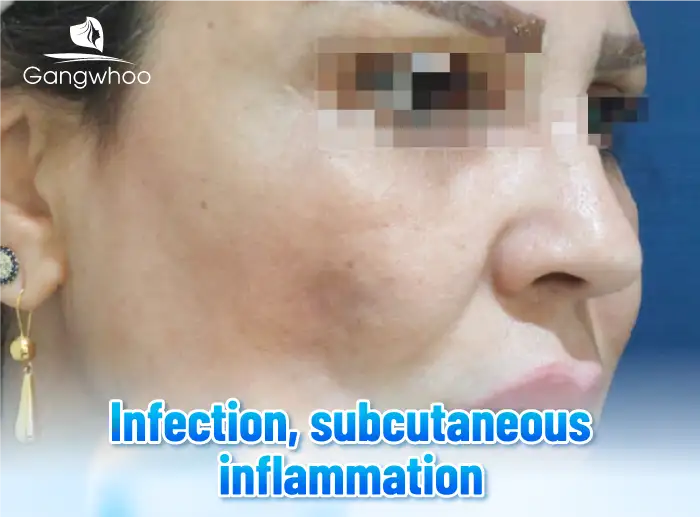
- Infection and subdermal inflammation: when instruments are not fully sterilized or post-procedure care is not performed properly.
- Prolonged pain, swelling, and significant bruising: commonly seen in sensitive individuals or when excessive force is applied during thread pulling.
- Facial nerve injury: although rare, it can occur if the physician lacks a thorough understanding of facial anatomy.
Causes of complications from thread facelift
I divide the causes of thread facelift complications into three main groups:
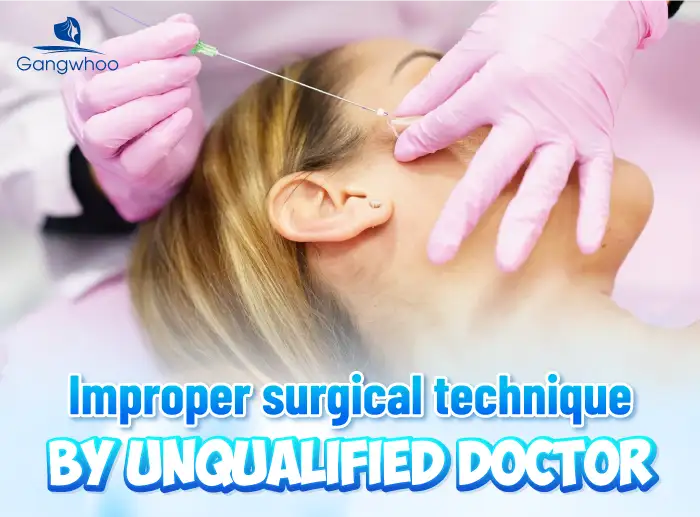
Causes related to technique:
- The physician places the threads in the wrong layer or does not follow the correct direction and tension, causing tissue damage or deformation.
- Using threads that are too long, too many threads, or applying uneven tension between the two sides of the face.
- Inability to control needle depth when inserting threads, leading to vascular or nerve injury.
Causes related to thread quality:
- Using non-authentic threads with unclear origin or without medical certification.
- Some low-cost threads contain metal cores or synthetic fibers with poor biocompatibility, leading to inflammation, pus, or foreign body reactions.
Causes related to post-procedure care:

- Failure to follow the physician’s instructions: touching, massaging, applying makeup too early, excessive facial muscle movement, etc.
- Environmental infection, especially within the first 3–5 days after the procedure.
- All of these causes can make the complications of thread facelift more serious, resulting in aesthetic deformities, pain, and even requiring corrective surgery.
How to manage complications from thread facelift
When complications occur after a thread facelift, the most important thing is not to self-treat at home but to visit a medical facility with a plastic surgery specialty for examination.
Depending on the condition, the physician will provide appropriate management:
- If there is mild swelling, pain, or bruising: the physician may prescribe pain relievers and anti-inflammatory medication and instruct proper cold compress application.
- If there are exposed or displaced threads: a minor procedure is required to remove the exposed threads and readjust the tissue; in some cases, all threads must be removed to prevent infection.
- If infection or abscess occurs: systemic antibiotics are required, along with wound cleansing and possibly debridement of inflamed tissue.
- If facial deformation occurs: re-evaluation of tissue structure is needed, and corrective surgery using SMAS 4K facelift or Deep Plane techniques may be required to restore natural facial muscle structure.
I strongly advise against squeezing pus, applying hot compresses, or injecting additional filler as a “quick fix,” as this can worsen the damage and lead to skin necrosis.
Safer and more effective alternative facelift methods
If you are concerned about whether thread facelift is dangerous, it is worth noting that aesthetic medicine has developed many safer rejuvenation technologies with more stable results.
At Gangwhoo Cosmetic Hospital, doctors apply multiple advanced techniques depending on each client’s degree of aging, including:
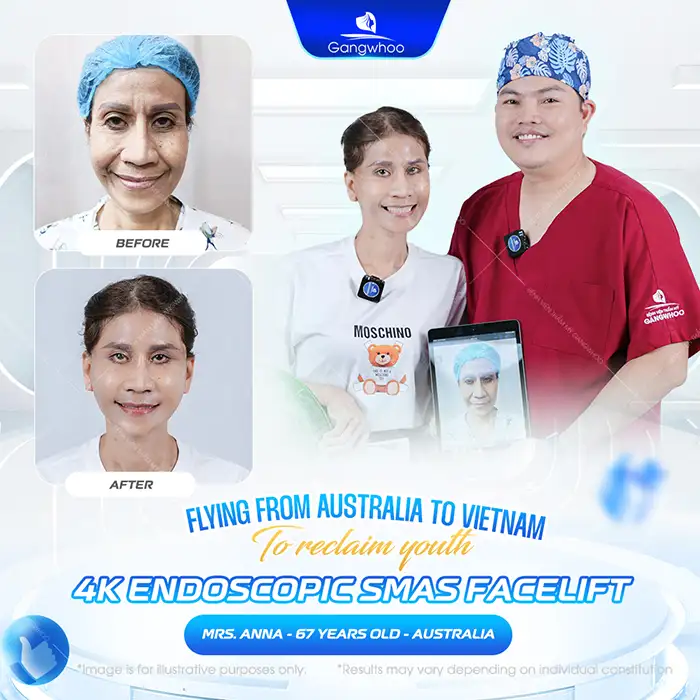
- SMAS 4K facelift: using 4K endoscopic technology combined with Plasma scalpel or Harmonic scalpel to precisely dissect the superficial musculoaponeurotic system (SMAS)—the layer that determines facial firmness. This method comprehensively corrects sagging skin from deep within, providing long-lasting rejuvenation results for 10–15 years.
- Deep Plane facelift: one of the most advanced techniques today, intervening deeply into the muscle fascia and connective tissue layers, delivering natural lifting effects without making the face look stiff. This is an ideal choice for those who have experienced complications from thread facelift or facial deformation after thread lifting.
Both techniques are performed by an experienced team of plastic surgeons, together with 4K microsurgical endoscopic systems and robotic-assisted arms, ensuring maximum safety and long-lasting, natural rejuvenation results.
If you have experienced complications from thread facelift or are hesitating about choosing the right rejuvenation method, Gangwhoo Cosmetic Hospital is ready to provide examination, consultation, and specialized treatment solutions to help you regain a youthful appearance and firm skin in the safest way possible.


