Does eyelid thread lifting require suture removal? When is suture removal necessary?
Bui Thuy Phuong
Asked: 13/02/2026
Doctor, I had eyelid thread lifting 5 days ago, but some people say that thread lifting also requires suture removal like blepharoplasty, while others say it does not. So may I ask whether eyelid thread lifting requires suture removal, and in which cases is suture removal mandatory?
Hello, eyelid thread lifting is one of the most popular eyelid crease formation methods because it is non-surgical, minimally invasive, and has a quick recovery time. However, many people after undergoing the procedure often wonder “does eyelid thread lifting require suture removal?” From a professional perspective, the doctor will clearly explain each case so you can understand accurately.
Does eyelid thread lifting require suture removal?
The doctor’s assessment is as follows: depending on the eyelid thread lifting technique applied, there are cases that require suture removal and cases that do not.
Currently, eyelid thread lifting is divided into two main techniques:
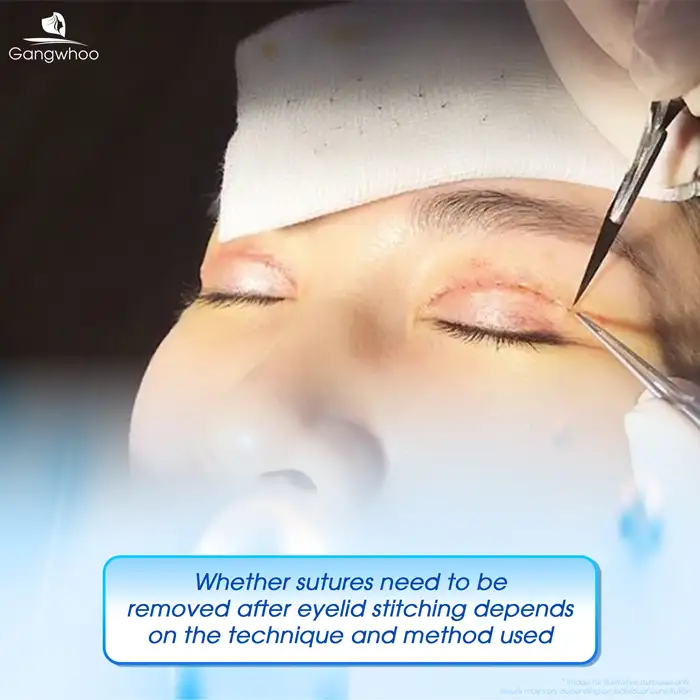
Whether eyelid thread lifting requires suture removal depends on the method and technique performed
Buried suture eyelid thread lifting: This method uses specialized aesthetic sutures threaded through the eyelid skin to create a connection between the eyelid skin and the levator muscle. After completion, the suture is tightly tied and hidden within the skin, no suture removal is required because the thread is completely inside the eyelid and permanently secured.
Eyelid thread lifting with suture removal (cosmetic stitching method): At some facilities using conventional suturing techniques, the doctor may place external stitches to more easily adjust the eyelid crease during the early stage. In this case, you will need suture removal after about 5–7 days, depending on the healing condition of the eyelid.
Therefore, the accurate answer to the question “does eyelid thread lifting require suture removal” is:
If you undergo the procedure using a modern eyelid thread lifting technique with buried internal sutures, then suture removal is not required.
If you have it done at a facility using traditional cosmetic suturing techniques, then suture removal may be required after one week.
The doctor advises you to clearly ask about the technique being applied before undergoing the procedure so you can proactively manage post-procedure care and monitoring.
Cases requiring suture removal after eyelid thread lifting
Although most eyelid thread lifting procedures today do not require suture removal, there are still some cases where the doctor will indicate suture removal to ensure safety and aesthetics for the eyelid area. Specifically:
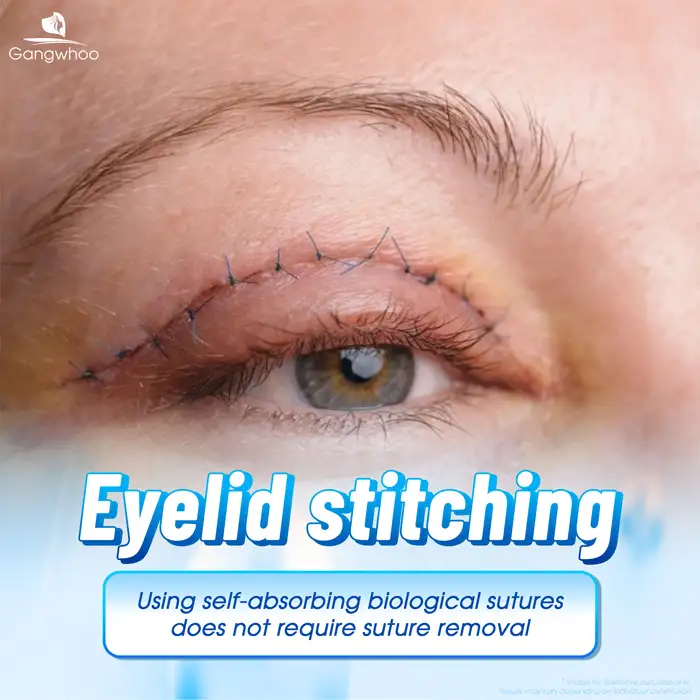
If bio-absorbable sutures are used in eyelid thread lifting, suture removal is not required
Uneven or asymmetrical eyelid creases: When the sutures are not threaded accurately, the eyelid creases may be uneven; at this point, the doctor will remove the old sutures and adjust a new crease.
Allergic constitution or irritation to aesthetic sutures: Common signs include swelling, redness, pain, or inflammation around the suture line.
Visible or palpable sutures under the skin: In some cases with thin eyelids, the suture may become exposed or create a small visible ridge.
Unsatisfactory results or no longer wishing to maintain the eyelid crease: When you want to redo the eyelids or return them to their original state, the doctor will proceed with suture removal.
Suture removal after eyelid thread lifting must be performed at a specialized cosmetic medical facility, ensuring sterility and carried out by a skilled doctor. Absolutely do not remove sutures at home, as this may cause tissue damage or infection.
Common types of sutures used in eyelid thread lifting
Currently, the aesthetic industry uses various specialized sutures for eyelid thread lifting techniques, among which the most common include:
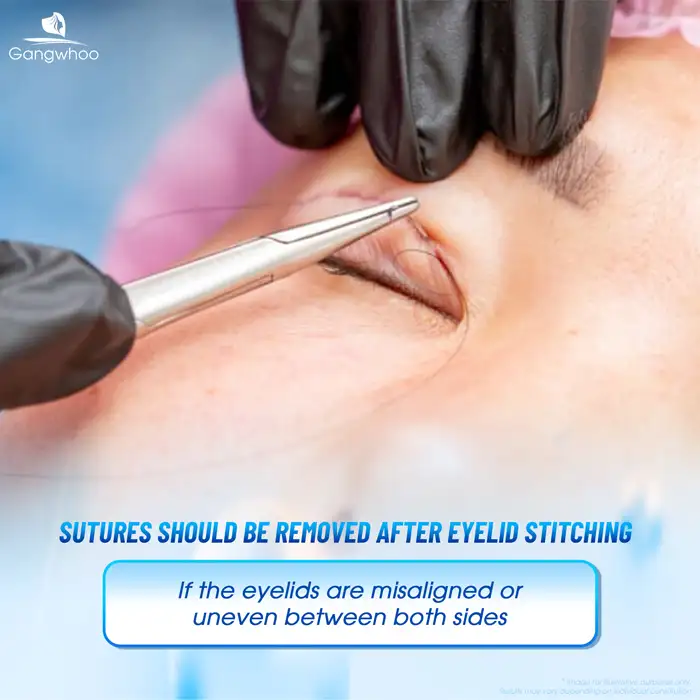
Suture removal is recommended after eyelid thread lifting if the creases are uneven or asymmetrical
Bio-absorbable sutures: High-grade sutures capable of self-absorption within 6–8 months, suitable for those who want natural eyelids without the need for suture removal.
Non-absorbable sutures (specialized medical sutures): Highly durable, helping maintain the eyelid crease long-term. This type of suture will be considered by the doctor depending on each individual’s eyelid characteristics.
Premium microsurgical sutures (used in Plasma eyelid thread lifting technology or endoscopic eyelid thread lifting): Extremely fine threads with high elasticity, non-inflammatory, providing a soft and even eyelid crease.
At Gangwhoo Cosmetic Hospital, eyelid thread lifting procedures are performed using exclusive Plasma scalpel-assisted endoscopic microsurgical eyelid thread lifting technology, utilizing ultra-fine, biocompatible sutures, helping stabilize the eyelid crease, eliminating the need for suture removal, leaving no scars, and maintaining long-lasting aesthetic results.
Gangwhoo Doctor’s Advice
If you are unsure whether eyelid thread lifting requires suture removal or experience swelling, pain, or exposed sutures after the procedure, it is best to visit Gangwhoo Cosmetic Hospital for examination and proper management by a specialist. Accurately determining the eyelid condition, the type of suture used, and the appropriate treatment method will help you quickly regain balanced, natural eyes with absolute safety.