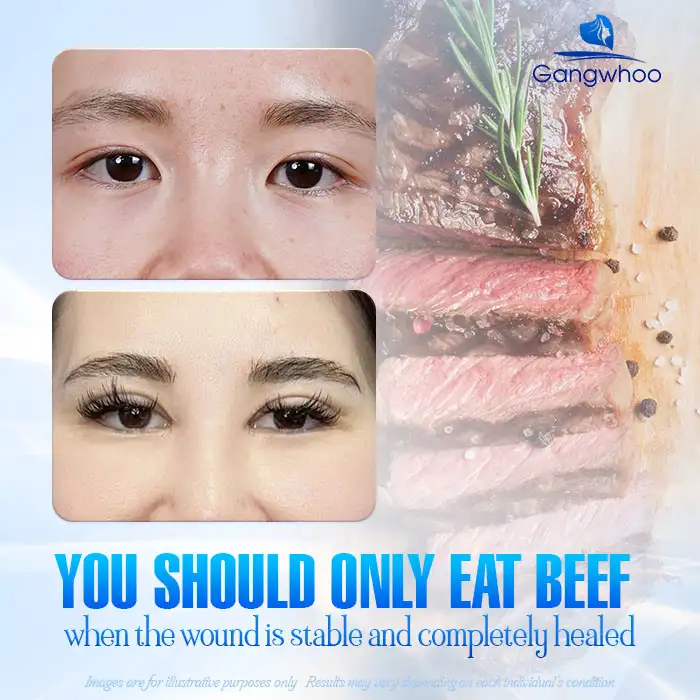
After eyelid surgery, how long should you avoid beef to prevent affecting the wound?
Thu Ha
Asked: 09/03/2026
Doctor, may I ask if it is necessary to avoid beef after eyelid surgery, and if so, how long should it be avoided for the best recovery? I heard that eating beef can easily cause the wound to become darkened and heal slowly, but I’m not sure if this applies to everyone.
Hello, after undergoing eyelid surgery, besides taking proper care of the wound, diet also plays an extremely important role in helping the eyelids heal quickly, limiting scarring, and maintaining the aesthetic result. One of the questions doctors often receive is “how long should you avoid beef after eyelid surgery?”. Below, the doctor will provide a detailed explanation from a professional perspective so you can better understand.
How long should you avoid beef after eyelid surgery?
In general, after eyelid surgery you should avoid beef for at least 3–4 weeks, or until the wound has completely healed and the new skin has fully stabilized. Beef is a protein-rich food that is very beneficial for overall health; however, it can easily cause the wound to darken and increase the risk of hyperpigmented or hypertrophic scars during the skin regeneration phase.
Eating beef immediately after upper eyelid excess skin removal surgery is not recommended
For some sensitive skin types, doctors recommend extending the period of avoiding beef to 5–6 weeks to ensure safety and achieve the most optimal aesthetic results.
If you are wondering “how long after eyelid surgery can you eat beef?”, the answer is when the wound has completely closed, with no swelling, redness, or scabbing — usually around after 1 month depending on each individual’s healing ability. At that time, you may eat beef again in moderate amounts to supplement iron and protein.
Why should you avoid beef after eyelid surgery?
The main reason doctors always advise patients to avoid beef after eyelid surgery is because the myoglobin and high protein content in this meat may stimulate melanin pigment activity, leading to the wound area becoming darker than the surrounding skin.
Avoiding beef after upper eyelid excess skin removal surgery helps limit dark pigmentation
In addition, some studies in clinical medicine indicate that protein from beef when the body has not fully recovered may increase inflammatory tissue reactions and prolong the cellular regeneration process, making the wound heal more slowly and potentially forming firm scars.
Therefore, avoiding beef is not a myth, but a medically grounded recommendation aimed at minimizing the risk of hyperpigmentation, dark scars, and helping the eyelid area maintain a natural and even skin tone after surgery.
What happens if you accidentally eat beef after eyelid surgery?
If you accidentally eat beef after eyelid surgery while the wound has not fully healed, it usually will not cause immediate complications, but it may still affect pigmentation and the healing process.
If you have only eaten a small amount (for example, a few pieces), doctors recommend that you do not need to worry too much, you just need to:
Eating a moderate amount of beef will not significantly affect the wound
Supplement vitamin C, zinc, and green vegetables to support tissue regeneration.
Drink plenty of water to help eliminate excess pigments and toxins.
Closely monitor the wound condition: if the eyelid area shows signs of darkening or firm scarring, visit Gangwhoo Cosmetic Hospital so the doctor can examine and provide timely treatment.
However, if you eat beef frequently while the wound has not healed, the risk of hyperpigmented or uneven eyelid scarring is quite high, especially for individuals prone to post-inflammatory pigmentation.
Besides beef, what other foods should be avoided after eyelid surgery?
In addition to wondering how long to avoid beef after eyelid surgery, you should also pay attention to several food groups that should be limited to avoid affecting the postoperative recovery process:
Several other food groups that should also be avoided
Chicken and seafood: May cause itching, rashes, or irritation of the wound.
Sticky rice, eggs, and water spinach: May cause swelling, delayed healing, or hypertrophic scarring.
Stimulants (alcohol, beer, coffee, tobacco): Slow down blood circulation and affect skin tissue regeneration.
Instead, you should prioritize foods that help the wound heal faster and reduce inflammation such as:
Increase the intake of vegetables rich in vitamins A and C after surgery
Green vegetables and fruits rich in vitamin C (oranges, grapefruit, guava).
Foods rich in zinc and collagen (salmon, eggs, soybeans, chia seeds).
Drink enough water and get sufficient sleep to support natural skin regeneration.
Doctor’s advice:
Nutrition is only one part of the recovery process after eyelid surgery, but it directly affects the final aesthetic result. Therefore, it is best to follow dietary restrictions for at least the first month and only eat beef again once the wound has completely stabilized.
If you want to shorten the recovery time, you may consider the endoscopic microsurgical eyelid surgery technology using the exclusive Plasma scalpel at Gangwhoo Cosmetic Hospital. This technology helps reduce swelling, limit tissue damage, and prevent hyperpigmented scars, allowing the healing process to occur faster and enabling you to return to a normal diet sooner.