Hello, the doctor understands that experiencing sudden swelling or mild pain one year after rhinoplasty can make you worried about whether this is a serious complication. This is an issue that many clients have encountered and sent inquiries to Gangwhoo Cosmetic Hospital. The doctor will clearly explain the causes, the level of risk, and the proper management so that you can feel more reassured.
Is swelling after 1 year of rhinoplasty dangerous?
In principle, after one year, the nasal tissues should be completely stable, and the cartilage and skin should have fully adapted. Therefore, swelling or inflammation at this stage is not a normal physiological response. If you notice significant swelling, redness, or pain, special attention is required, as these may be signs of infection or cartilage rejection.
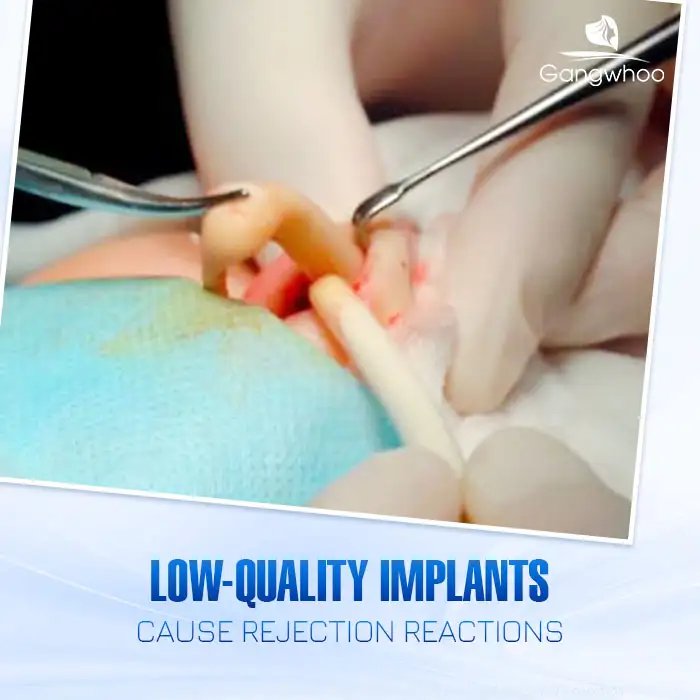
However, not all cases are serious. If the swelling is mild and not accompanied by pain or discharge, the cause may simply be minor trauma, weather changes, or transient soft-tissue inflammation. In such cases, the nose may recover on its own after a few days without intervention.
Conversely, if nasal swelling is accompanied by redness, burning pain, or discharge, you should see a board-certified plastic surgeon immediately for examination. In some cases, artificial cartilage (especially low-quality implants) may develop capsular contracture or tissue necrosis, leading to late postoperative complications.
At Gangwhoo Cosmetic Hospital, similar cases are typically evaluated using 4K microsurgical endoscopy, which helps accurately determine the extent of damage and provides a safe, minimally invasive treatment approach.
What causes swelling one year after rhinoplasty?
There are several reasons why swelling may still occur one year after rhinoplasty, which can generally be categorized into three main groups:
Cartilage rejection:
If low-quality artificial cartilage that is not biocompatible was used, the body may gradually reject it over time. Common symptoms include swelling, pain, redness, and sometimes fluid discharge.
Late-onset infection:
Although the wound may have healed well initially, bacteria can remain dormant within the nasal tissues. After 6 months to 1 year, under favorable conditions (such as weather changes or weakened immunity), bacteria may proliferate and cause recurrent inflammation.
External impact:
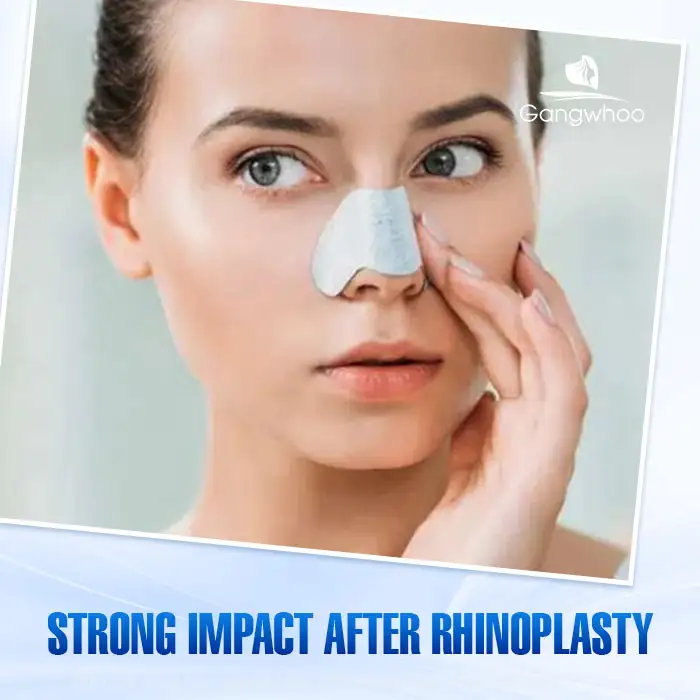
A strong impact, the habit of wearing heavy glasses, or frequently sleeping on one side can also cause swelling to reappear one year after rhinoplasty. Although not immediately dangerous, failure to seek early evaluation may affect the nasal structure.
In addition, the surgeon’s skill and surgical technique play a very important role. Rhinoplasty procedures performed with improper proportions, overly aggressive dissection, or incorrect implant placement can weaken the nasal tissues and make them more susceptible to later damage.
How to manage nasal swelling after 1 year
When you notice nasal swelling one year after rhinoplasty, you should absolutely not self-medicate with cold compresses, massage, or antibiotics without medical guidance, as improper handling may worsen the inflammation.
The appropriate management steps recommended by doctors include:
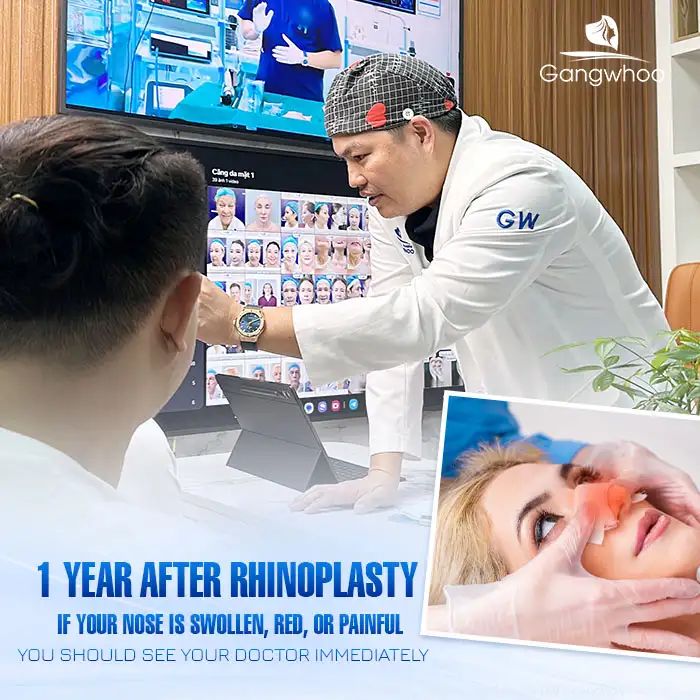
Visit a reputable medical facility for examination: The doctor will use endoscopic equipment to determine the cause—whether the swelling is due to soft-tissue inflammation, implant displacement, or cartilage rejection
Medical treatment (for mild cases): If the swelling is mild, the doctor may prescribe anti-inflammatory or antibiotic medications and monitor the condition for an additional 3–5 days.
Surgical intervention (for severe cases): In cases of capsular contracture or cartilage necrosis, the doctor may need to remove the old implant, thoroughly clean the infected area, and reconstruct the nasal structure.
At Gangwhoo Cosmetic Hospital, the management of nasal complications is performed using 4K microsurgical endoscopic techniques, allowing precise dissection and removal of inflamed tissue without affecting surrounding areas. The nose is then reconstructed with Surgiform or Nanoform cartilage—two premium implants with high biocompatibility that help reduce recurrence of inflammation and maintain long-lasting aesthetic results.
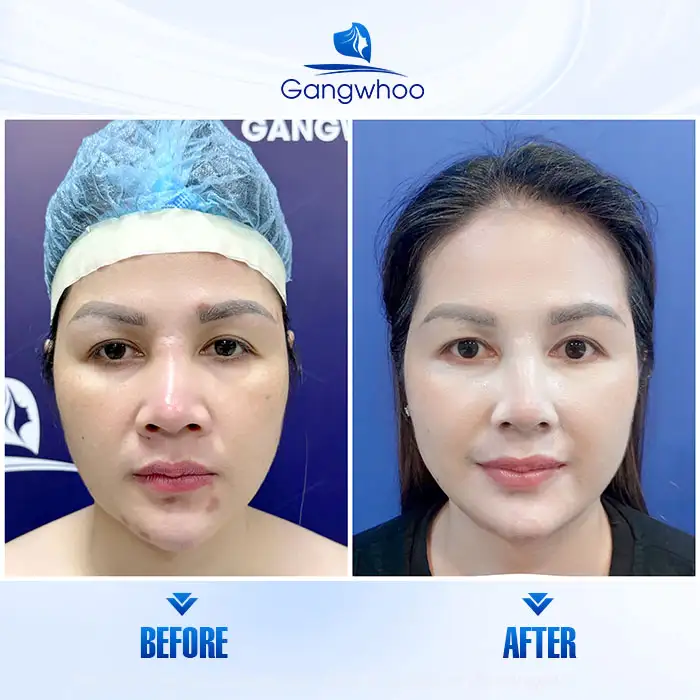
If you experience abnormalities one year after rhinoplasty, do not be complacent or endure them silently. Early examination helps identify the cause and allows timely treatment, preventing serious complications.
Gangwhoo Cosmetic Hospital is a specialized center for rhinoplasty and the management of complex nasal complications, with a team of plastic surgeons who have more than 15 years of experience. You can visit directly for examination using 4K microsurgical endoscopy, after which the doctor will recommend the most appropriate treatment plan to ensure safe recovery while preserving natural aesthetics.


