Hello, rhinoplasty is a cosmetic surgical procedure that requires high precision and proper postoperative care. However, many patients feel worried when their nose shows signs of deviation or asymmetry after surgery. I will clearly explain the signs of a crooked nose after rhinoplasty, the causes, as well as the appropriate management and preventive measures.
What Are the Signs of a Crooked Nose After Rhinoplasty?
Signs of a crooked nose after rhinoplasty are usually noticeable to the naked eye after the initial recovery period. Typical manifestations include:
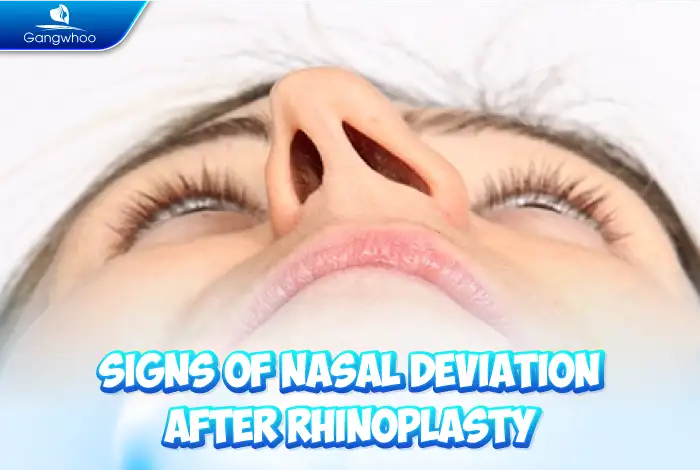
- The nasal bridge is not centered on the facial midline and tends to tilt to one side.
- When viewed from the front, the nasal bridge appears slanted, and the nasal tip is not aligned with the philtrum.
- In some cases, there may be sharp pain, prolonged abnormal tightness, or asymmetrical swelling that is more pronounced on one side than the other.
From a professional perspective, nasal deviation after rhinoplasty may result from the implant not being securely fixed to the nasal framework, improper dissection technique, or individual biological factors that cause implant movement during the healing process. Doctors also note that within the first 1–2 weeks, swelling may make the nose feel slightly crooked; however, if after one month the nasal bridge still appears uneven, this is a sign that requires thorough examination.
How to Correct a Crooked Nose After Rhinoplasty
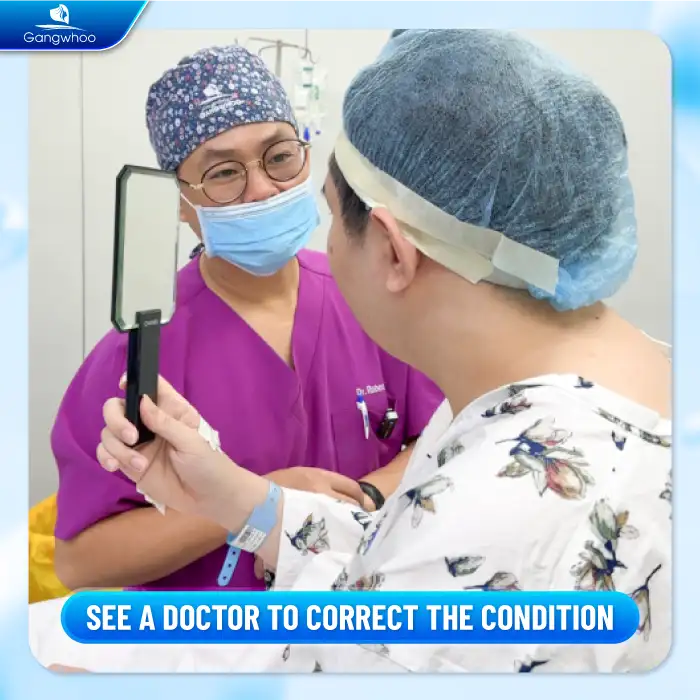
If the deviation is mild and detected early, the doctor may apply manual reshaping combined with splinting to stabilize the nasal shape. However, in cases of significant deviation or hardened scar tissue, correction usually requires revision surgery to remove, reposition, or replace the implant material.
It is important that you do not attempt to manually adjust or apply force to the nose yourself, as this may worsen the condition. The best approach is to visit a reputable cosmetic facility where the doctor can perform a clinical examination, imaging analysis, and propose an appropriate treatment plan.
Proper Post-Rhinoplasty Care to Prevent Nasal Deviation
To minimize the risk of nasal deviation after surgery, you should strictly follow postoperative care instructions:

- Avoid impact and do not wear heavy glasses for at least the first 4–6 weeks.
- Sleep on your back with your head elevated; avoid sleeping on your side and putting pressure on the nose.
- Attend follow-up appointments as scheduled so the doctor can monitor recovery.
- Avoid strenuous activities, bending forward, or high-intensity sports in the early period.
- Maintain nasal hygiene and take prescribed medications to prevent complications.
- Proper postoperative care combined with the surgeon’s precise technique will help maintain a stable and well-balanced nasal shape over the long term.
The doctor advises that if you notice persistent signs of nasal deviation after rhinoplasty or suspect complications, you should promptly visit a reputable medical facility for timely evaluation and treatment. At Gangwhoo Cosmetic Hospital, an experienced team of specialists and a modern equipment system will help correct nasal deviation safely and effectively.
If you need further consultation or a direct examination, you may contact Gangwhoo Cosmetic Hospital for the fastest and most accurate support.


