Hello, after rhinoplasty, diet plays a very important role in helping the nose heal faster, stabilize its shape, and reduce the risk of infection. One of the questions many clients often ask is, “Can you drink soft drinks after rhinoplasty?” It may sound simple, but without a clear understanding of the postoperative recovery process, you can easily and unintentionally affect wound healing. The doctor will explain each aspect in detail for you right below.
Can you drink soft drinks after rhinoplasty?
The doctor confirms that after rhinoplasty, you should not drink soft drinks, especially during the first 2–3 weeks after surgery.
From a medical perspective, carbonated soft drinks (such as Coca-Cola, Pepsi, 7Up, etc.) contain very high amounts of refined sugar and CO₂, which can have several negative effects on a body that is in the recovery phase. Specifically:
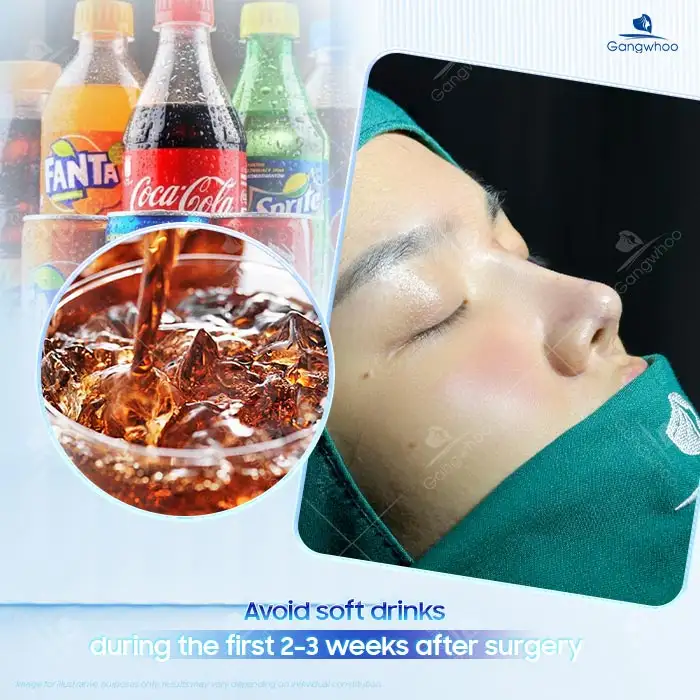
- High sugar content increases inflammatory responses and inhibits collagen production—an essential factor for rapid wound healing.
- CO₂ gas in soft drinks can cause bloating and abdominal distension, reducing nutrient absorption—while at this stage, the body needs sufficient energy to regenerate new tissue.
- Some soft drinks also contain artificial colorings, flavorings, and preservatives, which may affect liver and kidney function, indirectly slowing detoxification and postoperative tissue recovery.
Therefore, avoiding soft drinks after rhinoplasty is always recommended by doctors to ensure the wound does not become inflamed, swelling does not persist, and the nasal shape stabilizes more quickly. This is not merely a “folk” recommendation but a postoperative care principle based on clear medical evidence.
When can you drink soft drinks again?
Generally, if the recovery process goes well, after about 3–4 weeks you may drink soft drinks again, but only in very limited amounts (no more than one can per week).
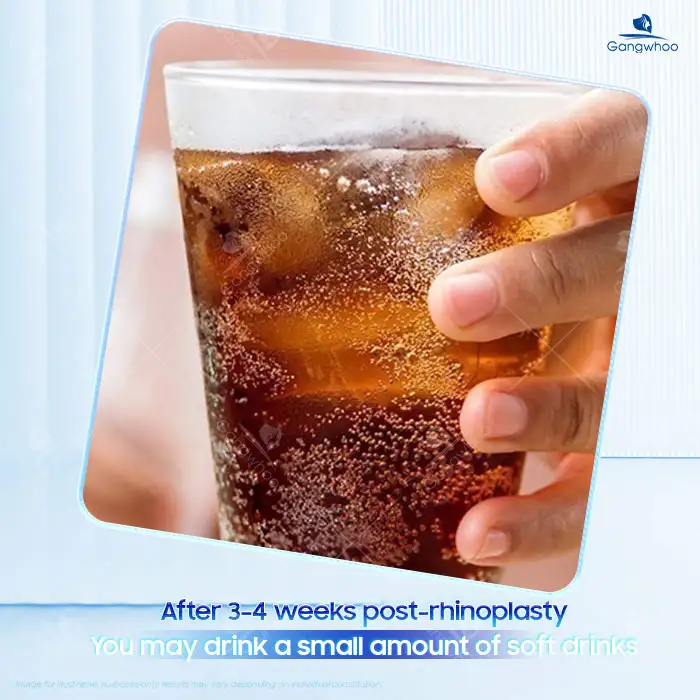
The timing also depends on individual healing capacity and physical constitution. For those who recover quickly and whose nasal tissues stabilize well, soft drinks may be reintroduced after about 3 weeks. However, if the nose is still swollen, mildly painful, or red at the nasal tip, you should continue to avoid them for at least another 1–2 weeks.
During follow-up visits, the doctor will assess the nasal structure and the condition of the cartilage and soft tissues. Once the nose is completely stable, with no signs of inflammation or swelling, drinking soft drinks becomes safer. Nevertheless, even when permitted, doctors still advise minimizing consumption because soft drinks have no nutritional value and may negatively affect skin health and connective tissues in the long term.
Beverages recommended instead of soft drinks
While avoiding soft drinks, you can still choose many beverages that are enjoyable and help the nose heal faster while effectively reducing swelling:

- Water: Drinking 2–2.5 liters per day helps the body eliminate toxins, reduce swelling, and improve blood circulation.
- Fresh fruit juices: Orange, pineapple, carrot, tomato, apple, etc., are rich in vitamins C and A, which boost immunity and support faster tissue regeneration.
- Coconut water: Helps replenish natural electrolytes, reduce inflammation, and soothe the nasal area.
- Herbal teas: Such as chamomile tea, ginger tea, or artichoke tea, which help relieve stress, support digestion, and provide antioxidant benefits.
- Low-sugar milk or plant-based milk: Supplies protein and nutrients to support faster tissue healing.
These beverages are not only safe but also help shorten recovery time after rhinoplasty while nourishing healthier skin.
Doctor’s note:
After rhinoplasty surgery, strictly following the recommended diet plays a major role in determining whether the nose achieves a beautiful and stable shape. Avoiding soft drinks and beverages containing caffeine or carbonation is part of a safe postoperative care protocol recommended by aesthetic specialists.
If you are unsure about what to eat or how to care for your nose to ensure faster recovery, you can visit Gangwhoo Cosmetic Hospital for direct consultation with a nasal surgery specialist.


