Hello, after undergoing rhinoplasty, choosing appropriate foods is extremely important to help the wound heal faster, minimize swelling and inflammation, and ensure nasal shape stability. One of the questions many clients often ask is, “Can you eat straw mushrooms after rhinoplasty?” The doctor will help you clearly understand this issue from a professional perspective so you can feel more reassured during the recovery period.
Can you eat straw mushrooms after rhinoplasty?
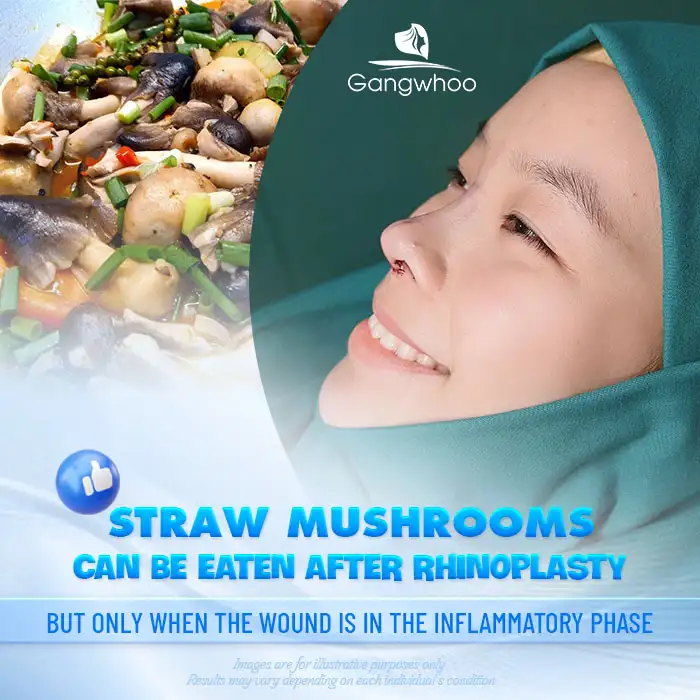
The doctor’s answer is that after rhinoplasty, you can absolutely eat straw mushrooms, provided that the wound has passed the acute swelling and inflammation stage (usually after about the first 5–7 days).
Straw mushrooms are a mild, safe food and do not contain components that cause irritation or negatively affect tissue regeneration after surgery. On the contrary, straw mushrooms contain a high amount of protein, B vitamins (B1, B2, B3), fiber, and minerals such as potassium, iron, zinc, and copper—all essential nutrients that help promote cell proliferation and support faster wound healing.
However, the timing and preparation of straw mushrooms are important points to note:
- You should not eat straw mushrooms while the nose is still swollen, oozing fluid, or before stitches are removed, because the body is still weak and the digestive system is not yet stable.
- Only consume thoroughly cooked straw mushrooms; avoid eating undercooked mushrooms or mushrooms kept overnight.
- If you have a mushroom allergy, you should temporarily avoid them during the first 2–3 weeks to prevent inflammatory reactions or tissue irritation.
Therefore, eating straw mushrooms after rhinoplasty is completely acceptable, but it should be based on the postoperative stage and each individual’s recovery condition to ensure safety.
Benefits of straw mushrooms for rhinoplasty patients
From a nutritional medicine perspective, straw mushrooms are a food source that helps promote tissue regeneration and reduce mild inflammation—very beneficial for people after cosmetic surgery in general, including rhinoplasty.
Some notable benefits include:
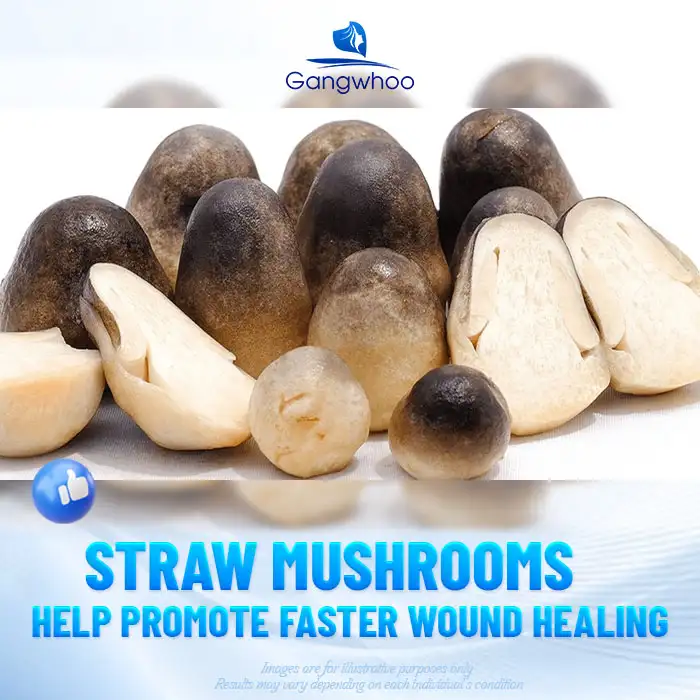
- Faster wound healing: The plant-based protein and essential amino acids in straw mushrooms help the body regenerate new tissue more quickly, supporting healing of nasal sutures.
- Natural reduction of swelling and inflammation: Straw mushrooms contain β-glucan and ergothioneine—two powerful antioxidants that help reduce inflammatory responses and enhance immunity after surgery.
- Improved blood circulation: Rich in potassium and iron, straw mushrooms support better blood circulation, helping the nasal area receive sufficient oxygen and nutrients, thereby reducing bruising.
- Fat- and cholesterol-free: This helps control body weight and avoid subcutaneous fat accumulation—factors that may affect nasal shape during recovery.
Therefore, once you enter a stable postoperative phase, adding straw mushrooms to your meals 2–3 times per week is entirely reasonable and beneficial for nasal recovery.
Mushrooms recommended after rhinoplasty
In addition to straw mushrooms, there are many other types of mushrooms that are beneficial for health after rhinoplasty surgery and are recommended by doctors, including:
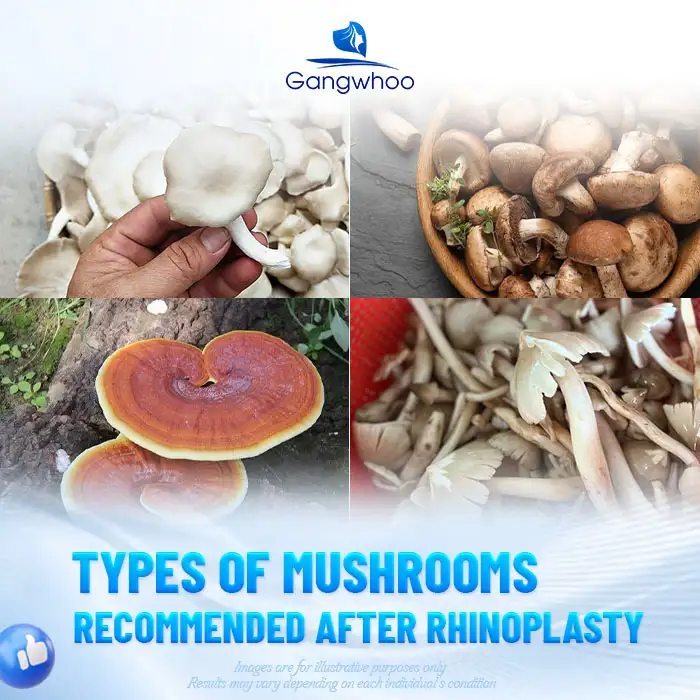
- Shiitake mushrooms: Rich in vitamin D and polysaccharides, helping boost immunity and reduce swelling more quickly.
- Termite mushrooms or enoki mushrooms: Provide abundant plant protein, helping enhance collagen synthesis—an important factor in tissue regeneration.
- Lingzhi (reishi) mushroom (small doses, in liquid or powder form): Supports blood circulation, reduces fatigue, and enhances immunity.
- Oyster mushrooms: Contain high levels of zinc and selenium, helping repair damaged tissue and limit poor scar formation.
However, the doctor advises prioritizing fresh, clean mushrooms prepared simply with minimal oil. You should absolutely avoid dried mushrooms soaked for long periods or canned mushrooms with preservatives, as they may cause tissue inflammation or mild allergic reactions.
Doctor’s advice
Nutrition plays an equally important role as surgical technique in determining whether the nasal shape will be stable and natural. In addition to eating straw mushrooms and other mild mushrooms, you should combine them with foods rich in vitamins C and A, zinc, and natural collagen to optimally support wound healing.
At Gangwhoo Cosmetic Hospital, after each structural rhinoplasty, cartilage-wrapped rhinoplasty, or ear cartilage rhinoplasty, doctors provide detailed guidance on diet, rest, and postoperative care for each client. This helps ensure fast wound recovery, a naturally beautiful nasal shape, and the prevention of complications.
If you are still wondering whether you can eat straw mushrooms after rhinoplasty or would like advice on an appropriate post-rhinoplasty diet, you can visit Gangwhoo Cosmetic Hospital directly to be examined and receive detailed guidance from the doctor.


