Hello, doctor understands that after undergoing rhinoplasty, dietary restrictions can be a concern, especially when it comes to favorite foods like durian. This is a question many clients at Gangwhoo Cosmetic Hospital often ask: “Can I eat durian after rhinoplasty?” Today, the doctor will explain this issue from a medical perspective so you can take proper and safe care of your nose after surgery.
Can you eat durian after rhinoplasty?
The doctor advises that after rhinoplasty, you should not eat durian during the early recovery period.

The reason is that durian is a fruit with a high “heaty” nature, containing a large amount of sugar and fat. While the body is in the process of tissue regeneration, foods with a heating property like durian can increase the risk of inflammation, acne, and even prolong the wound-healing process. In addition, the high sugar content in durian may affect the absorption of antibiotics and anti-inflammatory medications, causing the wound to heal more slowly than usual.
However, if you ask, “Can I eat durian after rhinoplasty at all?” the answer is yes, but at the right time. Once the nose has completely healed and the tissue structure has stabilized, you can eat durian again normally without affecting the rhinoplasty results.
How long after rhinoplasty can you eat durian?
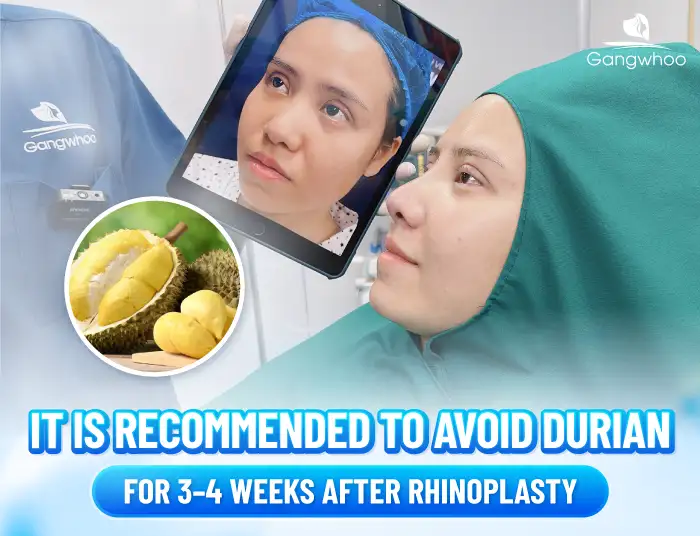
Generally, doctors advise avoiding durian for at least 3–4 weeks after rhinoplasty. This is when the nasal tissues, skin, and cartilage begin to stabilize, the wound closes, and signs of inflammation subside.
However, depending on individual constitution, this period may vary. For those with sensitive skin, acne-prone skin, or a tendency to develop hypertrophic scars, doctors usually recommend waiting about 5–6 weeks before eating durian again to ensure maximum safety.
When you start eating durian again, you should begin with a small amount and observe your body’s reaction during the first 1–2 days. If there are no abnormal signs such as burning sensation, swelling, pain, or rashes around the nose area, you can gradually increase the amount afterward.
Fruits you should and should not eat after rhinoplasty
To help the nose heal quickly and maintain a stable and beautiful shape, diet after rhinoplasty plays a very important role. Below is the doctor’s advice on fruits you should and should not eat after rhinoplasty:
Fruits that are recommended:
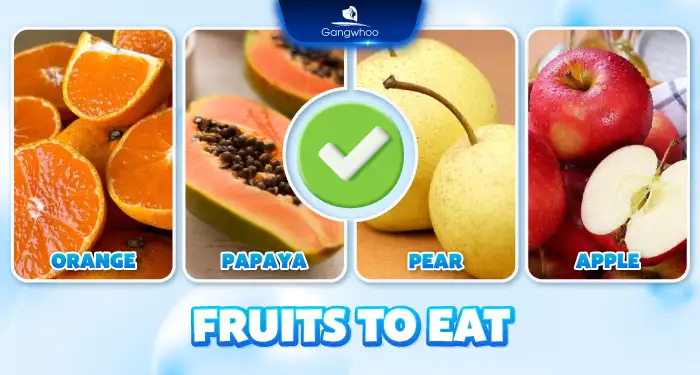
- Oranges, lemons, grapefruits, kiwis: rich in vitamin C, helping collagen regeneration, boosting immunity, and supporting faster wound healing.
- Papaya and pineapple: contain natural enzymes that help reduce swelling and support inflammation control effectively.
- Apples, pears, watermelon: help hydrate the body, support detoxification, and reduce internal heat.
Fruits to limit or temporarily avoid:
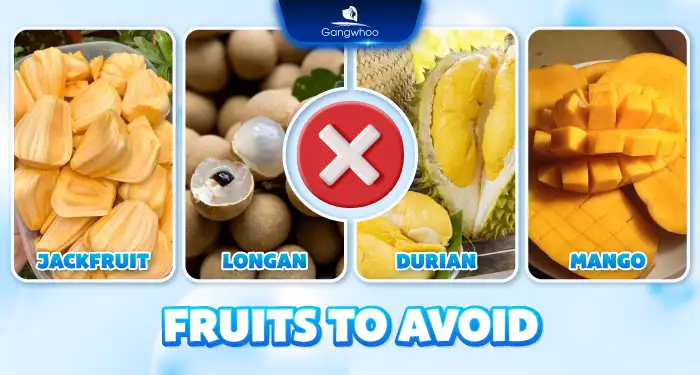
- Durian, jackfruit, longan: have a heating property, easily causing inflammation or acne and prolonging the recovery process.
- Overly ripe, very sweet mangoes: high in sugar, which can increase inflammatory responses during the early recovery stage.
In summary, to most clearly answer the question “Can you eat durian after rhinoplasty?”—the doctor confirms that you should not eat it immediately after surgery. You should wait at least 3–4 weeks for the nasal tissues to stabilize before consuming durian again.
If you are still concerned or experience prolonged swelling, redness, or inflammation after eating durian or any other food, you should go directly to Gangwhoo Cosmetic Hospital for examination and appropriate care guidance from a specialist.
At Gangwhoo, a team of highly qualified doctors with many years of experience in rhinoplasty will help you maintain a beautiful, safe, and long-lasting nasal result over time.


