Hello, after rhinoplasty, diet plays a very important role in the recovery process and in stabilizing the nasal shape. Many people wonder whether they should eat certain types of meat, especially duck meat, due to concerns about its effects on wound healing. The doctor will provide a detailed explanation to answer the question, “Can you eat duck meat after rhinoplasty?” so that you can feel more at ease while caring for your nose after surgery.
Can you eat duck meat after rhinoplasty?
Regarding the question “Can you eat duck meat after rhinoplasty?”, the doctor confirms that you should not eat duck meat during the early period after rhinoplasty. The reason is that duck meat belongs to the group of foods with cooling properties, which can slow wound healing and may even increase the risk of suppuration or leave dark scars.
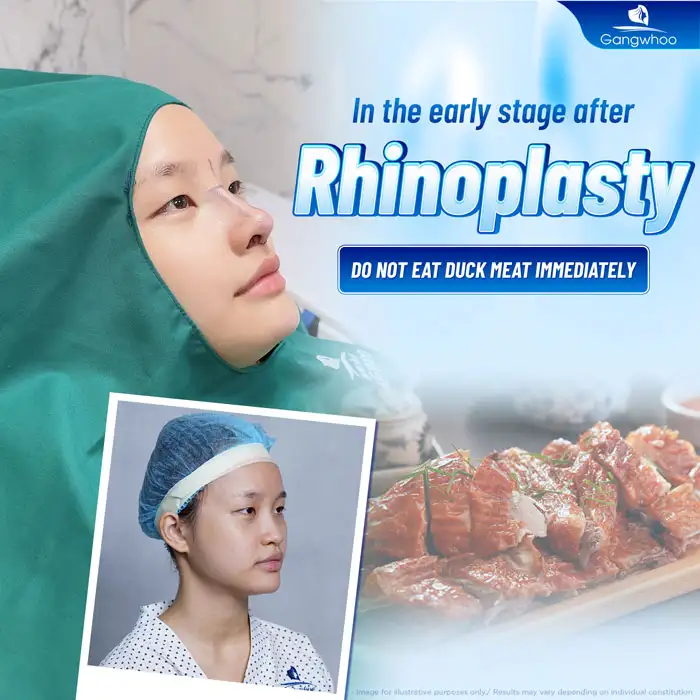
In addition, duck meat contains a high amount of fat and cholesterol. For a body that is in the recovery phase after surgery, these nutrients do not support tissue regeneration and may instead increase the risk of inflammation or prolong the scar-healing process. Therefore, to ensure the safety and stability of the nasal shape, you should strictly avoid this food for at least the first few weeks.
How long after rhinoplasty can you eat duck meat?
Generally, after rhinoplasty, the body needs a certain amount of time for soft tissues to recover, for the incision to close, and for the nasal shape to begin stabilizing. This process usually lasts about 4–6 weeks.
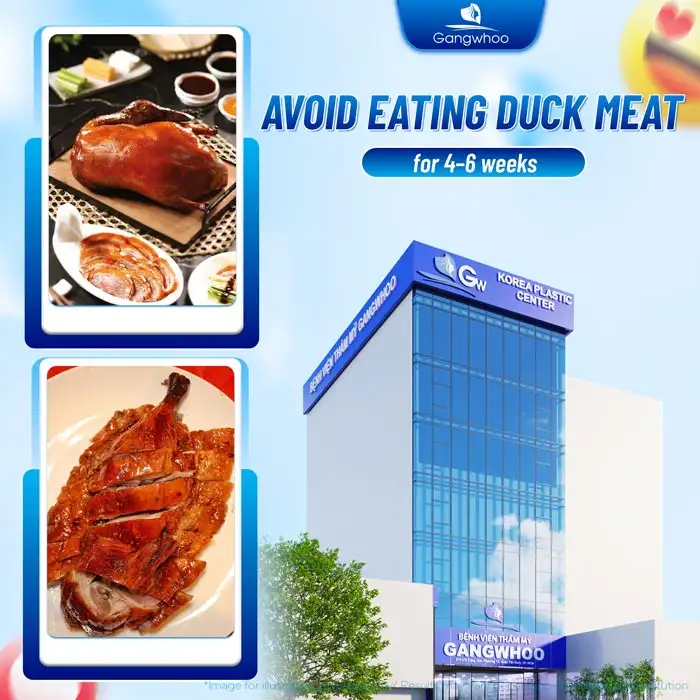
Therefore, after approximately 1–2 months, when the wound has completely healed and there are no longer signs of swelling or redness, you may eat duck meat again. However, when reintroducing it, you should consume it in moderation and avoid eating too much at once. Ideally, before adding this food back into your diet, you should consult the doctor who directly followed your surgery to ensure absolute safety.
What other foods should be avoided after rhinoplasty besides duck meat?
In addition to duck meat, to avoid affecting wound healing and to minimize the risk of unfavorable scarring, you should also avoid the following foods:
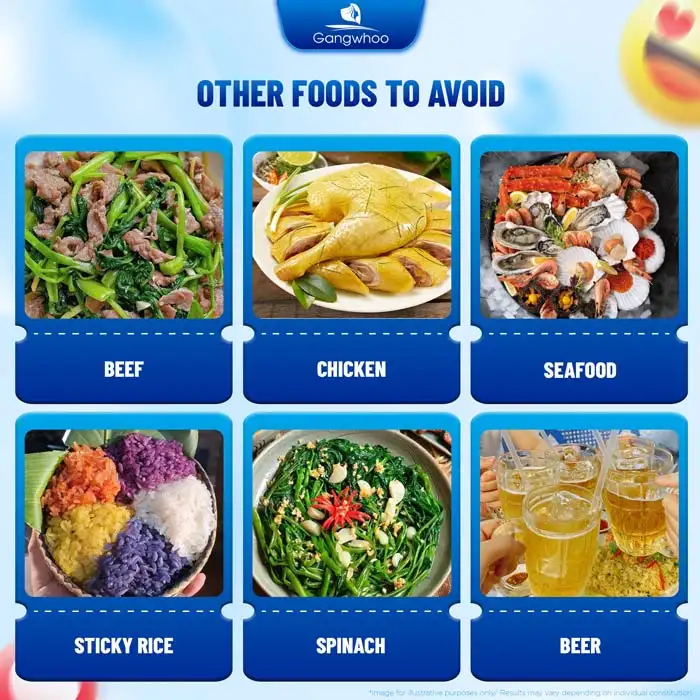
- Chicken: Has warming properties, which may cause itching and delayed wound healing.
- Seafood (shrimp, crab, marine fish, squid, etc.): May cause allergies and itching at the incision site.
- Beef: May increase the risk of dark scars and uneven skin tone at the incision.
- Water spinach: Stimulates excessive collagen production, which can lead to hypertrophic scars.
- Sticky rice and glutinous foods: Have warming properties and may cause wound suppuration.
- Alcoholic beverages and stimulants (alcohol, beer, coffee, cigarettes): Directly affect blood clotting and soft tissue recovery.
During this period, you should prioritize foods rich in vitamins A, C, E, zinc, and lean protein (such as salmon, lean pork, eggs, milk, fresh vegetables, and fruits) to promote tissue regeneration, help the nose heal faster, and achieve a naturally refined shape.
Above is the doctor’s detailed answer to the question “Can you eat duck meat after rhinoplasty?”, as well as information on the avoidance period and foods that should be avoided after rhinoplasty. If you still have concerns about nutrition or need postoperative nasal follow-up, please visit Gangwhoo Cosmetic Hospital to be examined and receive specific care instructions from a doctor.


