Hello, after rhinoplasty surgery, diet plays an extremely important role in helping the body recover quickly, minimizing complications, and ensuring a stable, natural nasal shape. Many patients after rhinoplasty often wonder, “Can you eat field crab after rhinoplasty?” because this is a familiar and common dish in daily meals. The doctor will provide a detailed explanation for you below.
Can you eat field crab after rhinoplasty?
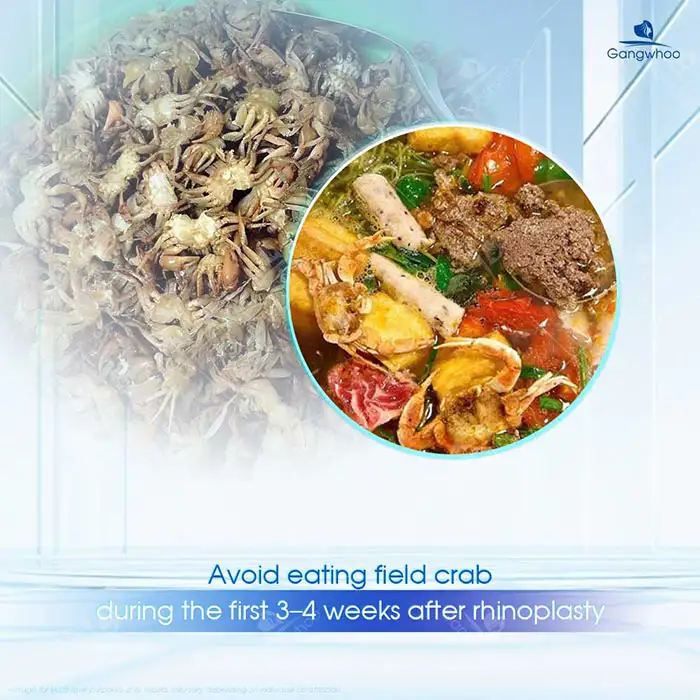
After rhinoplasty, you should not eat field crab for at least the first 3–4 weeks.
Field crab is a food rich in protein, calcium, and minerals that are beneficial to health. However, for people who have just undergone cosmetic surgery—especially rhinoplasty—the “hot” protein content in field crab can stimulate inflammatory reactions, causing prolonged redness and swelling of the wound, delayed healing, and may even lead to itching, discharge, or the formation of hypertrophic scars around the nose.
According to medical mechanisms, after rhinoplasty, the soft tissues and skin in the nasal area are in the process of regenerating and reconnecting. Consuming foods high in complex proteins such as field crab can increase immune activity, causing the body to misidentify them and trigger mild inflammatory responses. This is not seriously dangerous, but it can slow down the recovery process and directly affect the aesthetic outcome of the nose once healed.
In addition, field crab may contain parasites or bacteria if not thoroughly cooked. For a body that is weakened and whose immune system has not yet stabilized after surgery, this increases the risk of infection, especially in newly sutured tissue areas. Therefore, it is best to completely avoid field crab until the doctor confirms that the wound has fully healed.
How to handle allergic reactions after eating field crab following rhinoplasty
If you accidentally eat field crab too early and experience symptoms such as itching, red rashes, warmth and swelling in the nasal area, burning pain, or mild discharge, prompt management is necessary to prevent more serious complications.
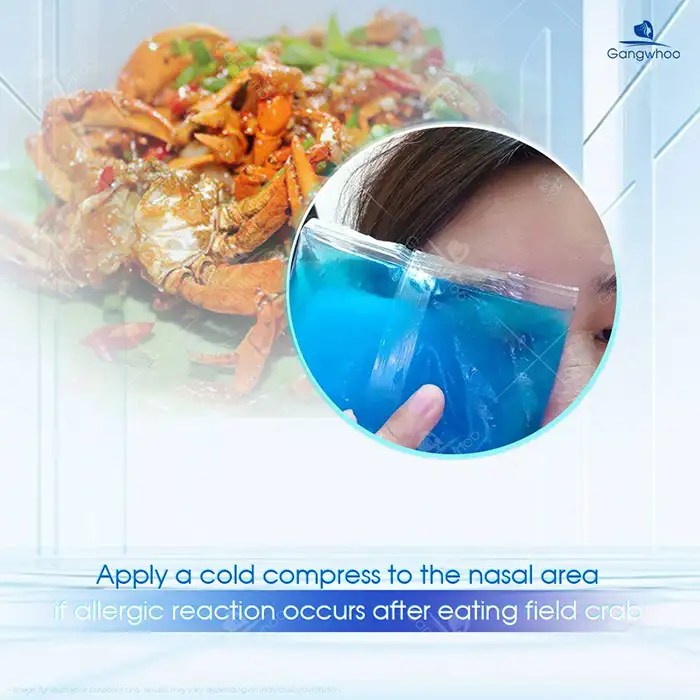
- First, immediately stop eating field crab or any other seafood.
- Next, you may apply gentle cold compresses to the nose to reduce swelling, and avoid touching or manipulating the newly operated nose.
- Do not self-medicate with anti-inflammatory drugs, antibiotics, or topical medications without medical instruction.
- Quickly return for a follow-up at a cosmetic facility or see a specialist doctor for examination and appropriate treatment.
If the allergic reaction is mild, the doctor may prescribe antihistamines. However, if there are signs of infection (such as pus, severe pain, or mild fever), medical intervention will be required to prevent the nasal cartilage from being affected.
Notes on food selection after rhinoplasty
In addition to the question of whether you can eat field crab after rhinoplasty, you should pay special attention to choosing mild foods that support tissue recovery during the postoperative period:
- Increase intake of foods rich in vitamins C, A, and E (oranges, pomelos, carrots, pumpkin, green vegetables) to help reduce inflammation and speed up skin healing.
- Supplement easily digestible proteins such as chicken, salmon, eggs, tofu, and low-fat fresh milk to regenerate tissue cells and collagen for the nasal area.
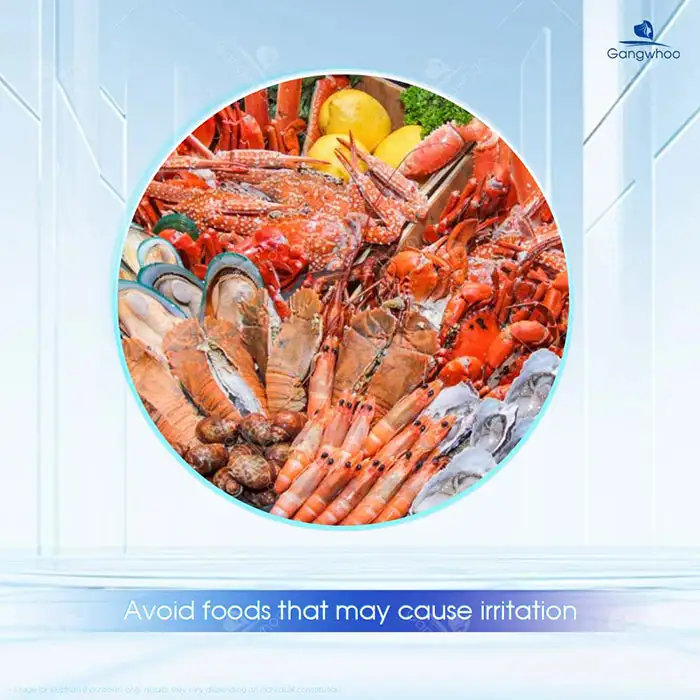
- Completely avoid foods that may cause irritation such as seafood, beef, water spinach, sticky rice, spicy foods, and alcoholic beverages for at least 1 month after surgery.
- Drink plenty of filtered water (2–2.5 liters per day) to detoxify the body, reduce swelling, and help the skin recover faster.
Hopefully, through this sharing, you now understand clearly whether you can eat field crab after rhinoplasty and why it should be avoided during the early postoperative period. Proper dietary restrictions and adherence to your doctor’s instructions not only help wounds heal faster and minimize poor scarring, but also ensure that the nose achieves a beautiful, balanced, and natural shape.
If you are concerned about your diet after rhinoplasty or experience abnormal conditions after consuming unsuitable foods, you can visit Gangwhoo Cosmetic Hospital to be directly examined and thoroughly advised by a rhinoplasty specialist, ensuring absolute safety throughout the recovery process.


