Hello, after undergoing rhinoplasty, nutrition plays a very important role in recovery and ensuring a stable, natural nose shape. One of the questions many clients are concerned about is “Can I eat tofu after rhinoplasty?”. I will provide a detailed answer for you below.
Can I eat tofu after rhinoplasty?
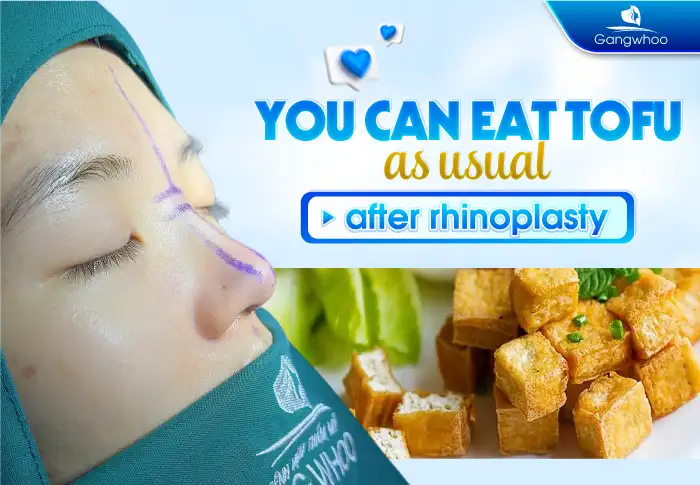
After rhinoplasty, you can absolutely eat tofu because it is a benign, highly nutritious food that does not negatively affect the wound healing process.
Medically, tofu contains high levels of plant-based protein, calcium, iron, and essential amino acids – components that help the body regenerate new tissue and recover soft tissue areas post-surgery. Additionally, tofu does not contain inflammatory or irritating compounds like those found in beef, seafood, or water spinach – foods recommended to be avoided after rhinoplasty.
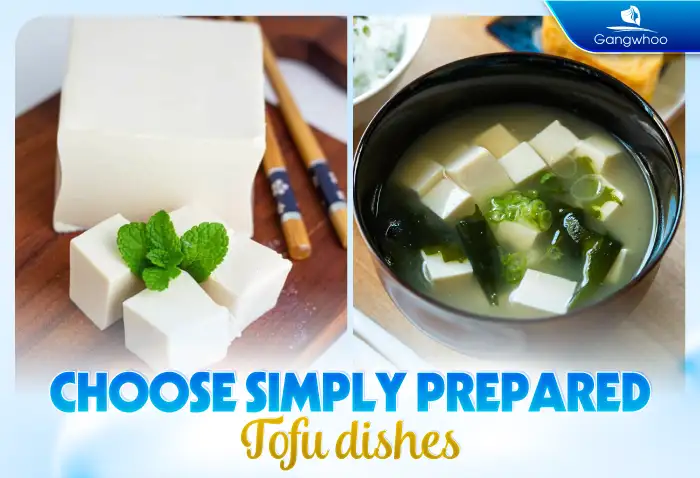
A point to note is that you should choose simply prepared tofu, such as boiled, steamed, or in soup, and limit fried tofu as grease can easily slow down the healing process and may cause prolonged swelling. Particularly, for cases with sensitive constitutions or during the first 3–5 days post-surgery, doctors recommend eating soft, easy-to-digest foods and avoiding excessively hot or spicy foods to reduce the risk of bleeding and edema.
In summary, to the question of whether you can eat tofu after rhinoplasty – the answer is yes, and it is even an encouraged food in the recovery diet as it helps supplement energy while remaining gentle on the digestive system.
What other food options are available besides tofu?
Besides tofu, you can supplement with many other foods that help the body recover quickly after rhinoplasty:
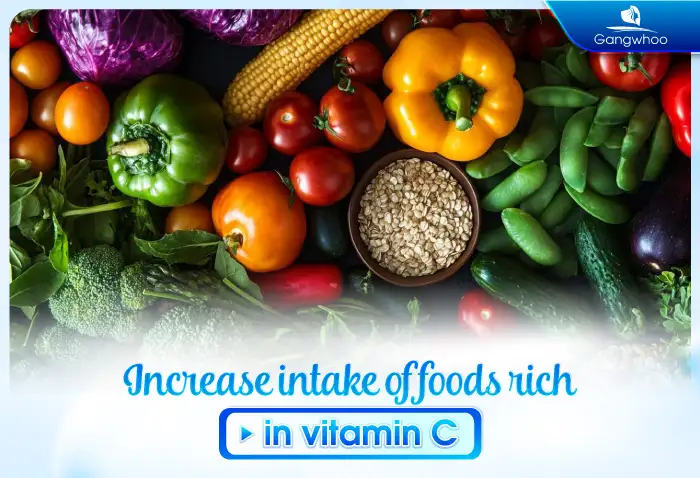
- Vitamin C-rich group: such as oranges, grapefruits, strawberries, and guavas, which help increase resistance and stimulate collagen production for faster skin tissue regeneration.
- Zinc and protein-rich group: such as salmon, eggs, and lean chicken, which help promote tissue regeneration and reduce inflammation and swelling.
- Fiber-rich food group: greens, pumpkin, carrots, and sweet potatoes, which help the digestive system function well and prevent constipation – a cause of bodily tension that can affect the newly operated nose area.
- Drink enough water: especially warm water and fresh fruit juices to help the body detoxify, improve blood circulation, and support rapid tissue recovery.
During the care process, you should completely abstain from alcohol, tobacco, coffee, and spicy foods as they can dilate blood vessels, making the nose area prone to prolonged swelling and redness.
Each individual constitution has a different recovery rate, so adhering to the diet and the doctor’s care instructions is extremely important. If during the recovery process you notice prolonged swelling, redness, or any abnormal signs in the nose area, you should return to Gangwhoo Cosmetic Hospital for a check-up and timely treatment by a doctor.
If you need more detailed advice on the care regimen or choosing a suitable rhinoplasty method, you can contact us directly for support from doctors at Gangwhoo.


