Hello, after rhinoplasty, many people often wonder when they can return to physical activities, especially gentle exercises such as yoga. This is a very good question, because although yoga is not a high-intensity sport, it involves movements such as bending forward, folding the body, or placing pressure on the face—factors that can directly affect the nasal recovery process. So how long after rhinoplasty can you practice yoga, and what should you pay attention to when resuming training? The doctor will explain in detail right below.
How long after rhinoplasty can you practice yoga?
Generally, you can return to practicing yoga after about 4–6 weeks following rhinoplasty, depending on the surgical method and each individual’s recovery speed.
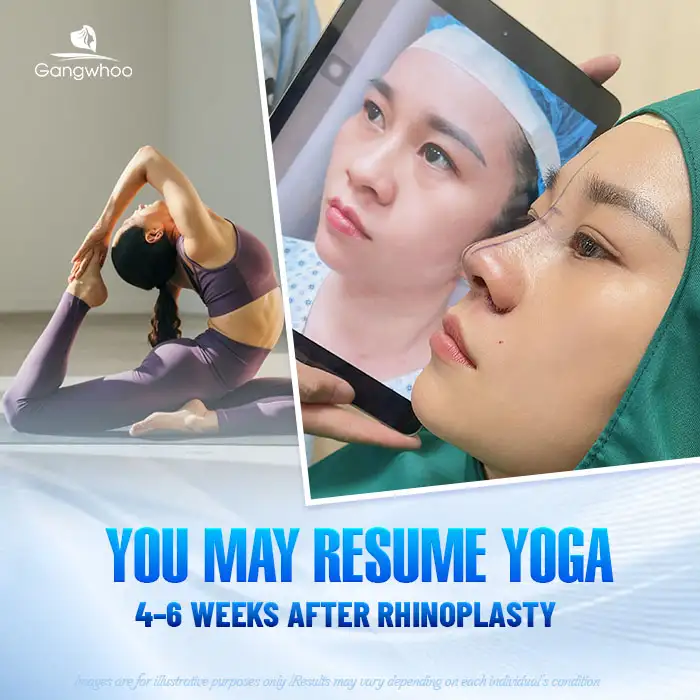
During the first 2 weeks after surgery, the nose is still in the phase of stabilizing the cartilage and soft tissues, and the sutures have not fully healed. If you practice yoga too early, especially poses involving bending the head down or inverting the body (such as headstands, downward-facing dog, camel pose, etc.), the increased blood pressure to the facial area may cause nasal swelling, bleeding, or even lead to deviation of the nasal bridge or fluid accumulation at the surgical site.
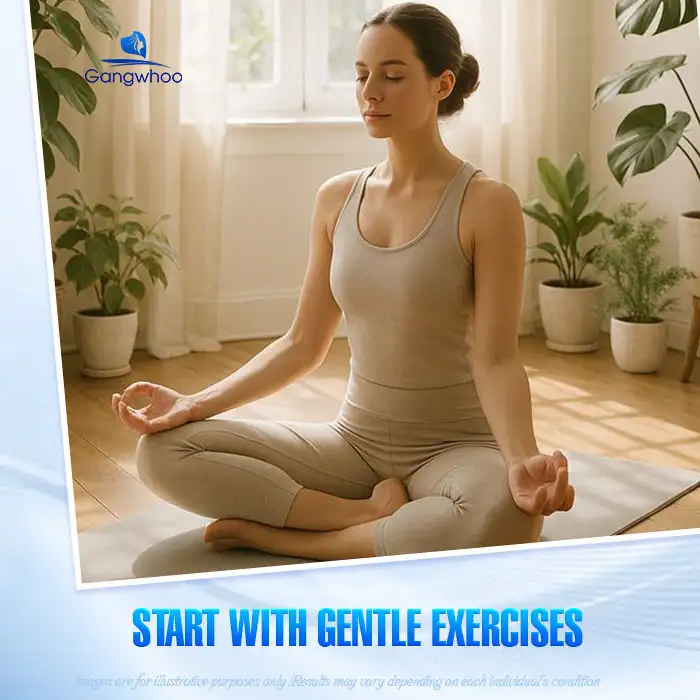
From weeks 3–4, the body begins to recover better and the cartilage becomes relatively stable; however, doctors still recommend only gentle yoga exercises such as breathing practices, stretching, meditation, or poses that do not involve deep forward bends. From around week 6 onward, if the nasal shape has stabilized, there is no more swelling or pain, and you have been approved by your doctor, you may return to normal yoga practice.
However, this timeline may vary depending on the method chosen:
- With cartilage-wrapped rhinoplasty, recovery is usually faster, and light practice may be possible after 4 weeks.
- With structural rhinoplasty, due to deeper intervention, doctors recommend waiting at least 6–8 weeks before resuming exercise.
It is best to attend follow-up appointments and consult your surgeon before returning to yoga to ensure absolute safety.
Important notes when practicing yoga after rhinoplasty
When resuming practice, even after the recovery period, doctors advise that you follow several precautions to avoid affecting the nasal shape:

- Avoid deep forward bends or inverted poses: Poses such as downward-facing dog, headstands, or handstands cause blood pressure to rush to the face, increasing the risk of swelling or nasal deviation.
- Do not touch or apply pressure to the nose area: During practice, maintain a safe distance and avoid sweat or hands directly contacting the nose.
- Start with gentle exercises: Such as deep breathing exercises (Pranayama), meditation, and neck and shoulder stretching. These movements improve circulation and reduce stress while remaining safe for the nasal shape.
- Pay attention to hygiene after practice: After exercising, sweat may allow bacteria to easily enter the nasal area if it has not fully healed. You should gently wash your face with saline solution and dry it with a clean towel.
- Monitor your body’s response: If you notice swelling, redness, or pain in the nose returning, stop exercising immediately and contact your doctor for evaluation.
Following these precautions helps you maintain your health while protecting the nasal form after surgery.
Which sports should be avoided after rhinoplasty?
In addition to yoga, several other physical activities should be completely avoided during at least the first 6–8 weeks after rhinoplasty, including:
- High-impact sports: Football, basketball, martial arts, boxing, etc., due to a high risk of direct trauma to the nose.
- Activities that place significant strain on the body: Heavy gym workouts, CrossFit, high-intensity running, long-distance cycling—all of which may increase blood pressure and cause swelling or hematoma at the surgical site.
- Swimming: Pool water contains chlorine and bacteria that may cause wound infection if the nose has not fully healed.
After the nose has completely stabilized (around 2–3 months), you may return to these activities, but you should wear nasal protection if participating in contact-risk sports.
Advice from the doctor:
Yoga is an excellent way to balance both body and mind, but after rhinoplasty, the most important priority is ensuring that the nasal form is well fixed and not subjected to pressure during the early recovery period. If you are still uncertain about how long after rhinoplasty you can practice yoga, the doctor recommends attending a follow-up examination for an assessment based on your actual nasal condition.
At Gangwhoo Cosmetic Hospital, after every structural rhinoplasty, cartilage-wrapped rhinoplasty, or auricular cartilage rhinoplasty procedure, clients receive detailed guidance on daily activities, exercise, and diet to ensure the most stable and natural nasal outcome. If you need further consultation or wish to have your postoperative nasal shape checked, please visit Gangwhoo for in-depth support from our doctors.


