Home > Aesthetic Q&A > Rhinoplasty > How long does it take for the nose to settle and become stable after structural rhinoplasty? How should it be cared for?
How long does it take for the nose to settle and become stable after structural rhinoplasty? How should it be cared for?
Thuy Duong
Rhinoplasty
Asked: 01/01/2026
Doctor, may I ask how long it usually takes for the nose to settle, stabilize, and look naturally beautiful after structural rhinoplasty? During the recovery period, how should I take care of it and what should I avoid so that the nose settles quickly, without excessive swelling or deviation?
Hello, many patients who have just undergone structural rhinoplasty are often quite worried about how long it takes for the nose to settle and stabilize. This is a very reasonable concern, as understanding the recovery process will help you feel more at ease during postoperative care and minimize unnecessary anxiety. The doctor will address each of your questions in detail as follows:
How long does it take for the nose to settle and stabilize after structural rhinoplasty?
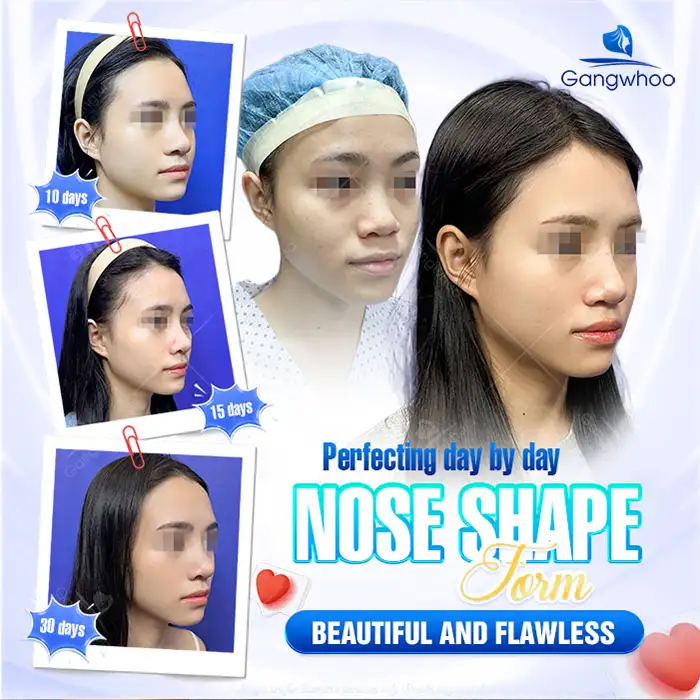
Regarding the question “How long does it take for the nose to settle after structural rhinoplasty?”, the doctor explains as follows: Typically, after structural rhinoplasty surgery, the nose goes through recovery in stages. During the first 7–10 days, the nose will still be swollen, and the nasal skin as well as the area around the eyes may show mild bruising. By weeks 2–3, swelling and bruising gradually subside, and the nasal shape begins to appear more defined.
About 1–3 months after surgery, the soft tissue structures, cartilage, and nasal skin gradually adapt; this is when the nose begins the “settling” phase. Depending on individual physiology and healing speed, this timeframe may be earlier or later. Generally, after approximately 3–6 months, the nose becomes stable and settles into its most natural and refined shape.
Therefore, to accurately answer the questions “How long does it take for the nose to settle after rhinoplasty?” or “How long after structural rhinoplasty does the nose settle?”, the doctor confirms that this process usually ranges from 3–6 months. This is the necessary period for the cartilage structures to bond firmly, for the nasal skin to adapt to the augmentation, and for the nose shape to stabilize naturally.
How to care for the nose so it heals faster
To help the nose settle quickly and recover according to the proper timeline, postoperative care plays a very important role. The doctor advises you to note the following:
Proper wound hygiene: Use saline solution to clean the incision and prevent infection.
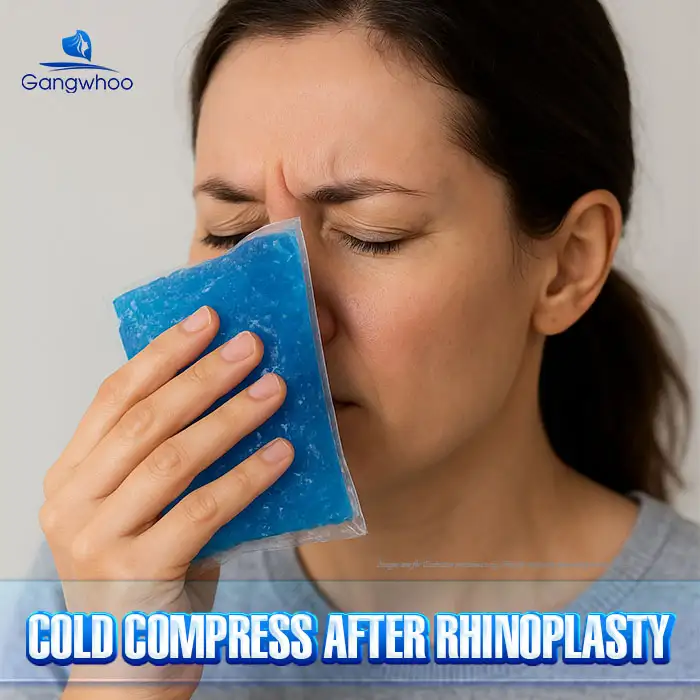
Appropriate cold and warm compresses: Apply cold compresses during the first 48 hours to reduce swelling, then switch to warm compresses to help bruising subside.
Correct sleeping position: Sleep on your back with your head elevated; avoid sleeping on your side or face down to prevent pressure on the nasal bridge.
Scientific nutrition: Supplement with protein, vitamins A and C, and zinc to support wound healing. Avoid seafood, beef, water spinach, and glutinous rice, as they may cause hypertrophic scarring or delayed healing.
Take medication and attend follow-up visits as scheduled: Strictly follow the doctor’s instructions and do not stop medications or take additional drugs without medical advice.
Proper care will help shorten recovery time and support the nose-settling process more effectively.
Important care notes to prevent complications after rhinoplasty
To avoid risks such as infection, implant deviation, or nasal tip contracture, you should remember the following important points:
Do not apply strong force to the nose: Avoid impacts, massage, or wearing glasses during the early period.
Avoid stimulants: Alcohol and tobacco slow down recovery and increase the risk of inflammation.
Avoid strenuous activity: For at least the first month, avoid high-intensity exercise or excessive bending.
Monitor abnormal signs: If you experience severe pain, pus discharge, or prolonged redness and swelling, you should visit a medical facility immediately for evaluation.
Choose a reputable cosmetic facility: This is a key factor in minimizing complications from the outset. A medically standardized structural rhinoplasty performed by an experienced doctor will help you feel more secure throughout the recovery process.
Above is the doctor’s detailed explanation regarding the question “How long does it take for the nose to settle after structural rhinoplasty?”, as well as guidance on postoperative care to ensure faster healing and natural stabilization. If you need further consultation or notice any abnormal signs after rhinoplasty, please visit Gangwhoo Cosmetic Hospital directly for timely examination and treatment.
Hello Doctor, I am considering rhinoplasty to improve the shape of my nose because my nose is quite low and the tip is slightly wide, making my overall facial features look less harmonious. However, after researching, I found that there are many cosmetic hospitals and spas advertising rhinoplasty services, so I am quite confused about […]
I’ve heard that nowadays there are Nano breast implants without identification chips, which are different from implants with embedded chips. Doctor, could you explain exactly what Nano implants without chips are, what their advantages and disadvantages are, and whether I should choose this type? I’m a bit concerned about having a “chip” inside my body, […]
Doctor, after my rhinoplasty, I noticed that the tip of my nose feels a bit hard compared to normal, and it feels quite uncomfortable. I don’t know what causes this or whether it is a normal condition or an abnormal sign that requires a medical check-up. If this is a normal condition, what should I […]
I am interested in endoscopic breast augmentation because I’ve heard it is gentler than traditional methods. However, I am still a bit afraid of pain and concerned about risks after surgery. Doctor, could you tell me whether endoscopic breast augmentation is painful, what the procedure involves, and what should be noted after surgery to recover […]
Hello Doctor, I just underwent a rhinoplasty and am very concerned about post-operative care. Could you please advise me on the correct and scientific way to care for my nose after surgery so that it recovers quickly, reduces swelling and pain, and avoids complications? Additionally, I would like to know any important precautions during the […]
I am learning about nasal surgery and have seen many people share that rhinoplasty not only enhances beauty but also helps the face look more refined and boosts confidence. So, doctor, could you please share the practical benefits of rhinoplasty, and whether it is worth considering if my nose is slightly low but still balanced?