How long does silicone rhinoplasty last? Is it permanent?
Gia Bao
Rhinoplasty
Asked: 07/01/2026
I wonder how long silicone rhinoplasty usually lasts. Is it permanent? If there are limitations, what should I keep in mind when choosing this type of material?
Hello, the doctor understands that many clients, after undergoing rhinoplasty or while researching aesthetic procedures, often wonder how long silicone rhinoplasty lasts and whether it can be maintained permanently. This is a very important question because the rhinoplasty material directly affects the aesthetic outcome, safety, and longevity of the nasal shape. The doctor will explain this in detail so that you can clearly understand.
How long does silicone rhinoplasty last?
First of all, the doctor would like to clarify that there are currently two different cases when mentioning silicone rhinoplasty:
First, rhinoplasty using solid silicone implants (surgical) – meaning silicone material is implanted into the nasal bridge.
Second, rhinoplasty using silicone injections – liquid silicone is injected directly into the soft tissue.
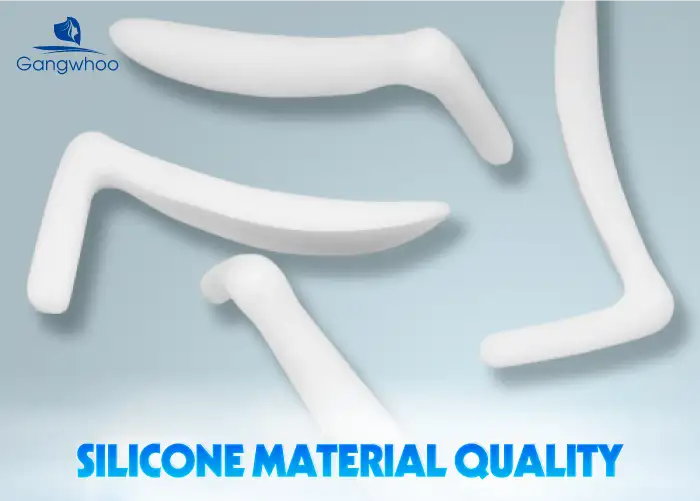
For surgical silicone implant rhinoplasty, the average maintenance time is about 8–10 years, depending on individual physiology and postoperative care. After this period, the implant may develop capsular contracture, slight displacement, or affect the nasal tissue structure, causing the nasal shape to no longer look as natural as it initially did.
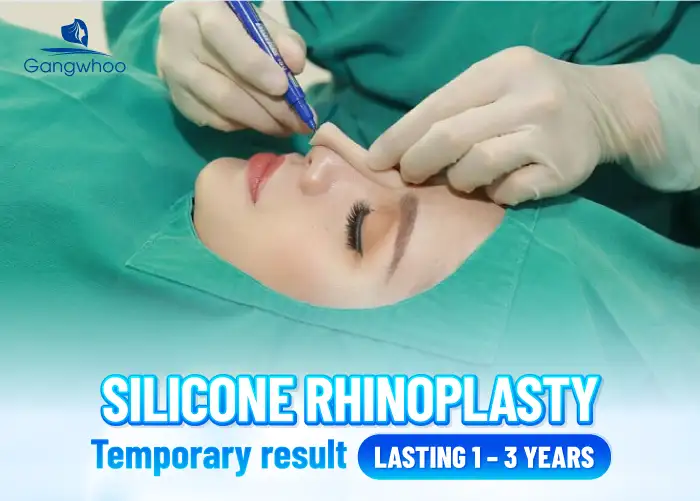
As for silicone injection rhinoplasty, it is actually not recommended in modern aesthetic medicine. Liquid silicone cannot self-fixate, easily migrates under the skin, and can cause inflammation, necrosis, or even nasal deformity after a few years. Therefore, regarding the question “how long does silicone injection rhinoplasty last,” the doctor can say that it only provides temporary results for about 1–3 years, but the risk of complications is very high and it is completely unsafe.
Thus, how many years silicone rhinoplasty lasts depends on the type of silicone used and the surgical technique. However, the doctor advises you to carefully consider this option, as this material has gradually been replaced by more advanced, safer, and more durable materials.
Is silicone rhinoplasty permanent?
The answer is no. Silicone, whether in solid or liquid form, is not a biological material that can permanently integrate with the body. Over time, silicone may:
Cause capsular contracture (the nose becomes hard and deformed).
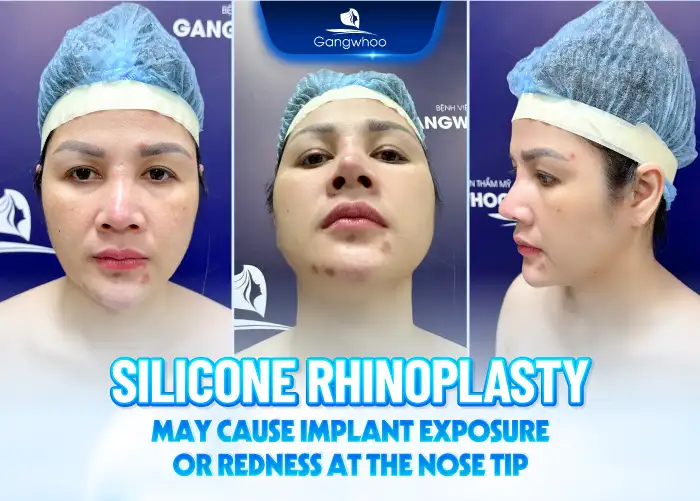
Lead to implant visibility, redness, or shine at the nasal tip due to thinning of the nasal skin.
In the case of silicone injections, it may also migrate to the cheeks or lips or cause inflammation, making subsequent treatment much more difficult.
Therefore, doctors nowadays almost no longer encourage the use of silicone in rhinoplasty. Instead, modern technology offers Surgiform and Nanoform cartilage with high biocompatible microstructures that adhere firmly to nasal tissue, do not cause capsular contracture, and can maintain results nearly for a lifetime if performed with proper technique.
Factors affecting the longevity of silicone rhinoplasty
If you are still researching how long silicone rhinoplasty lasts, the doctor will point out the main influencing factors as follows:
Quality of the silicone material: Poor-quality silicone is prone to oxidation, hardening, or deformation after only a few years.
Surgical technique and the surgeon’s expertise: Incorrect placement or inadequate fixation of silicone can easily cause implant deviation, affecting the durability of the nasal shape.
Individual physiology and bodily response: Some people have sensitive constitutions and are prone to early capsular formation or nasal inflammation.
Postoperative care regimen: Improper hygiene, strong impacts, or early overuse of cosmetics can also cause the nose to be damaged more quickly.
All of these factors combined determine how many years silicone rhinoplasty lasts and whether it is safe.
Other effective rhinoplasty methods with long-lasting results
Currently, aesthetic experts recommend choosing rhinoplasty using premium cartilage such as Surgiform or Nanoform instead of silicone. These materials have high biocompatibility, do not cause allergies, do not undergo capsular contracture, and provide a soft, natural-looking nasal shape.
In particular, Gangwhoo Cosmetic Hospital is applying 4K microsurgical endoscopic rhinoplasty techniques, which allow doctors to precisely control every step, minimize invasiveness, and leave no scars. With this technique, the nasal shape is reconstructed according to ideal facial proportions and can maintain long-term results for 15–20 years or even longer.
If you are unsure whether to choose silicone rhinoplasty or opt for a safer alternative, visit Gangwhoo Cosmetic Hospital directly for examination using 3D technology and personalized nasal shape consultation. The doctor will help you clearly understand the advantages and disadvantages of each type of cartilage, thereby providing the most optimal solution to achieve a naturally beautiful, high nasal shape with long-lasting durability and absolute safety.
Hello Doctor, I am considering rhinoplasty to improve the shape of my nose because my nose is quite low and the tip is slightly wide, making my overall facial features look less harmonious. However, after researching, I found that there are many cosmetic hospitals and spas advertising rhinoplasty services, so I am quite confused about […]
I’ve heard that nowadays there are Nano breast implants without identification chips, which are different from implants with embedded chips. Doctor, could you explain exactly what Nano implants without chips are, what their advantages and disadvantages are, and whether I should choose this type? I’m a bit concerned about having a “chip” inside my body, […]
Doctor, after my rhinoplasty, I noticed that the tip of my nose feels a bit hard compared to normal, and it feels quite uncomfortable. I don’t know what causes this or whether it is a normal condition or an abnormal sign that requires a medical check-up. If this is a normal condition, what should I […]
I am interested in endoscopic breast augmentation because I’ve heard it is gentler than traditional methods. However, I am still a bit afraid of pain and concerned about risks after surgery. Doctor, could you tell me whether endoscopic breast augmentation is painful, what the procedure involves, and what should be noted after surgery to recover […]
Hello Doctor, I just underwent a rhinoplasty and am very concerned about post-operative care. Could you please advise me on the correct and scientific way to care for my nose after surgery so that it recovers quickly, reduces swelling and pain, and avoids complications? Additionally, I would like to know any important precautions during the […]
I am learning about nasal surgery and have seen many people share that rhinoplasty not only enhances beauty but also helps the face look more refined and boosts confidence. So, doctor, could you please share the practical benefits of rhinoplasty, and whether it is worth considering if my nose is slightly low but still balanced?