After rhinoplasty, can you eat rice vermicelli? Will it affect the wound?
Bao Yen
Rhinoplasty
Asked: 30/01/2026
I had rhinoplasty 4 days ago and am currently still eating porridge and soup for easier swallowing. However, I really crave rice vermicelli, especially crab vermicelli soup or chicken vermicelli soup. I would like to ask the doctor whether it is okay to eat rice vermicelli after rhinoplasty, or if I need to avoid it for a longer time to prevent any impact on the wound.
Hello, after rhinoplasty, many people often wonder whether they can eat familiar daily foods such as rice vermicelli, pho, or noodles. The doctor understands this concern, as diet during the postoperative period plays an important role in helping the wound heal faster, reducing swelling, and stabilizing the nasal shape. Below is the doctor’s detailed explanation regarding whether you can eat rice vermicelli after rhinoplasty and important nutritional notes you should keep in mind.
Can you eat rice vermicelli after rhinoplasty?
Yes, after rhinoplasty you can still eat rice vermicelli, because rice vermicelli itself is a soft, easy-to-digest food that does not directly affect the surgical area or alter the nasal structure. However, what matters most is which ingredients are used to prepare the vermicelli.
The doctor explains specifically:
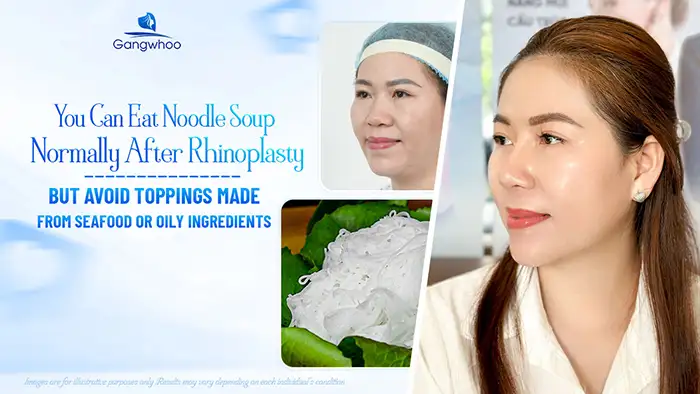
After rhinoplasty, you can eat rice vermicelli normally, but avoid toppings made from seafood or dishes high in oil
If it is rice vermicelli with broth made from lean meat, vegetables, or mild freshwater fish, you can consume it as usual.
However, if it is seafood vermicelli (such as shrimp, squid, or snail vermicelli) or beef vermicelli or crab vermicelli with a lot of oil, you should avoid it during the first 2–3 weeks. Seafood and fishy foods may increase the risk of wound itching, hypertrophic scarring or delay tissue healing due to the body’s histamine response.
In addition, spicy, sour vermicelli dishes or those containing strong spices may irritate the nasal mucosa, cause congestion, and prolong the recovery process.
In summary, if you ask “can you eat rice vermicelli after rhinoplasty”, the doctor confirms that you can, but choose light, low-fat vermicelli dishes, without seafood and not spicy for at least the first 2 weeks after surgery.
Notes when eating rice vermicelli after rhinoplasty
To ensure safety and help your nose recover quickly, the doctor advises you to keep in mind the following points when eating rice vermicelli after rhinoplasty:
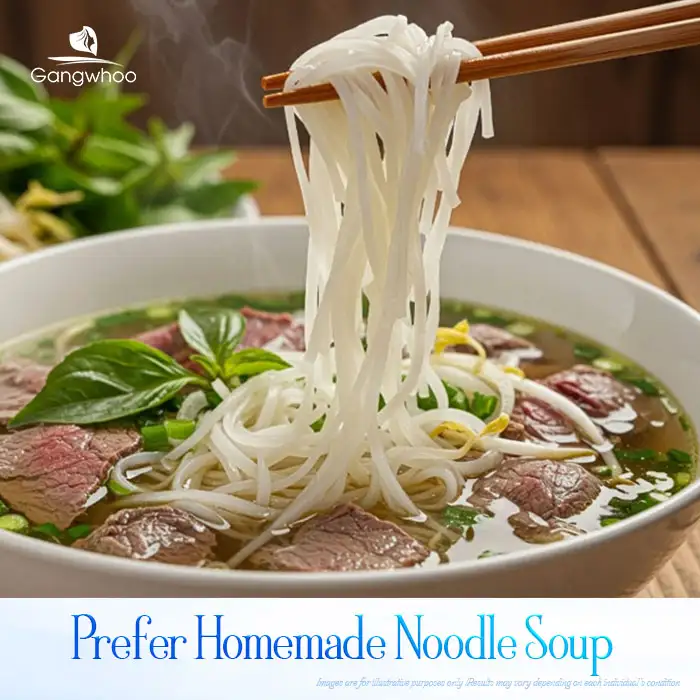
It is best to prioritize rice vermicelli dishes prepared at home
Prioritize homemade vermicelli dishes, and avoid eating out because broths at restaurants often contain a lot of oil, chili, and flavor enhancers.
Do not eat vermicelli when it is too hot, as rising heat can dilate blood vessels in the nasal area and prolong swelling.
Avoid letting chopsticks touch or accidentally hit the nose while eating, especially during the first 5–7 days.
Combine with adequate water intake and increased green vegetables to help detoxify the body and reduce inflammation more quickly.
A proper diet combined with correct postoperative care will help the wound heal faster, limit scarring, and maintain a stable nasal shape.
Foods to choose after rhinoplasty
After rhinoplasty, supplementing the right food groups to help the body regenerate tissue and recover faster is very important. The doctor suggests that you prioritize the following food groups:
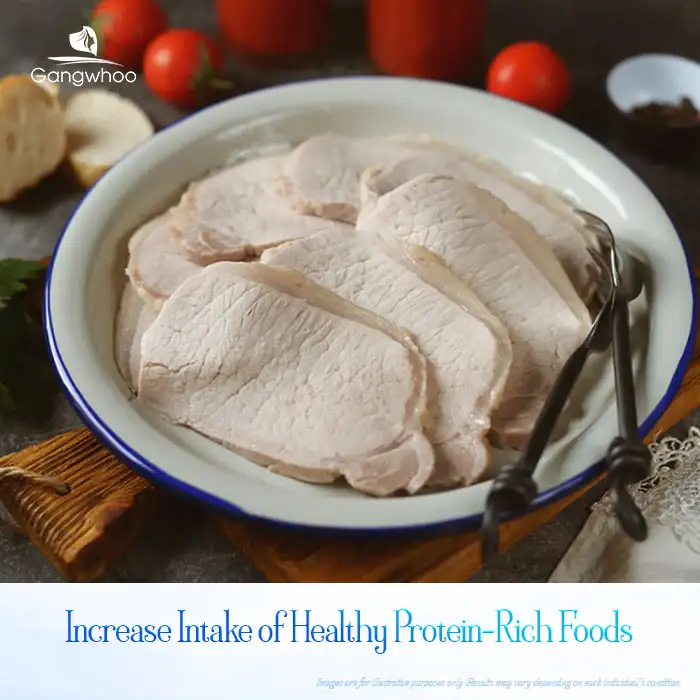
Increase the intake of healthy protein-rich foods
Healthy protein-rich foods: skinless chicken, white fish, eggs, tofu, which help tissue regeneration and faster wound healing.
Vegetables rich in vitamins C and A: such as carrots, oranges, pomelos, and green leafy vegetables, which help reduce swelling and inflammation and boost immunity.
Foods containing natural collagen: bone broth, salmon, eggs, etc., which help the nasal skin become firm and smooth more quickly.
Drink plenty of water, coconut water, or fresh fruit juices to help detoxify the body and effectively reduce swelling.
In addition, you should avoid foods that easily cause hypertrophic scars such as sticky rice, water spinach, beef, and seafood for at least the first 3–4 weeks to allow the nose to fully recover.
Doctors at Gangwhoo Cosmetic Hospital always emphasize the importance of nutrition after surgery, as it directly affects aesthetic outcomes. Here, rhinoplasty is performed using 4K microsurgical endoscopic technology, combined with the use of high-end biological cartilage such as Nanoform and Surgiform to help create a firm, natural nasal shape and minimize complications.
If you need further consultation about diet, postoperative care, or nasal shape check-ups after rhinoplasty, you can visit Gangwhoo Cosmetic Hospital directly to receive support and detailed guidance from specialist doctors. “`
I’ve heard that nowadays there are Nano breast implants without identification chips, which are different from implants with embedded chips. Doctor, could you explain exactly what Nano implants without chips are, what their advantages and disadvantages are, and whether I should choose this type? I’m a bit concerned about having a “chip” inside my body, […]
Doctor, after my rhinoplasty, I noticed that the tip of my nose feels a bit hard compared to normal, and it feels quite uncomfortable. I don’t know what causes this or whether it is a normal condition or an abnormal sign that requires a medical check-up. If this is a normal condition, what should I […]
I am interested in endoscopic breast augmentation because I’ve heard it is gentler than traditional methods. However, I am still a bit afraid of pain and concerned about risks after surgery. Doctor, could you tell me whether endoscopic breast augmentation is painful, what the procedure involves, and what should be noted after surgery to recover […]
Hello Doctor, I just underwent a rhinoplasty and am very concerned about post-operative care. Could you please advise me on the correct and scientific way to care for my nose after surgery so that it recovers quickly, reduces swelling and pain, and avoids complications? Additionally, I would like to know any important precautions during the […]
I am learning about nasal surgery and have seen many people share that rhinoplasty not only enhances beauty but also helps the face look more refined and boosts confidence. So, doctor, could you please share the practical benefits of rhinoplasty, and whether it is worth considering if my nose is slightly low but still balanced?
Doctor, my mother is 50 years old this year. She feels very self-conscious because her nasal bridge is low and slightly wide. I would like to ask whether older adults should undergo rhinoplasty, whether the surgery affects health, and at this age, which method would be the safest?