Home  >  Aesthetic Q&A  >  Rhinoplasty  >  Why Does the Nose Become Oily After Rhinoplasty? How Should It Be Managed?

Why Does the Nose Become Oily After Rhinoplasty? How Should It Be Managed?

Minh Hoang
Minh Hoang
Rhinoplasty
Asked: 24/12/2025

Doctor, I have noticed that the skin on my nose and T-zone has become much oilier about one week after rhinoplasty. Normally my skin is already somewhat oily, but now it looks extremely shiny. I’m wondering why the skin becomes so oily after rhinoplasty—is this a side effect or a normal reaction? And is there any way to improve this condition?

Hello, after undergoing rhinoplasty, many people experience increased oil secretion on the facial skin, especially in the nasal area. This phenomenon causes concern for many patients who worry that it may affect their post-surgical results. The doctor will help you understand clearly why excessive oiliness occurs after rhinoplasty and guide you on proper management so that your skin can stabilize quickly and your nasal shape can remain beautiful in the long term.

Why does excessive oiliness occur after rhinoplasty?

From a medical perspective, excessive oiliness after rhinoplasty is usually not a complication but a natural reaction of the body during the recovery phase. After surgery, the sebaceous glands in the nasal area may become more active due to the following factors:
Lưu nháp tự động

  • Skin response after intervention: When the nose is surgically manipulated (incisions, tissue dissection, cartilage insertion), the body activates its self-protective mechanism by increasing oil production to retain moisture and protect the skin from dryness and inflammation.
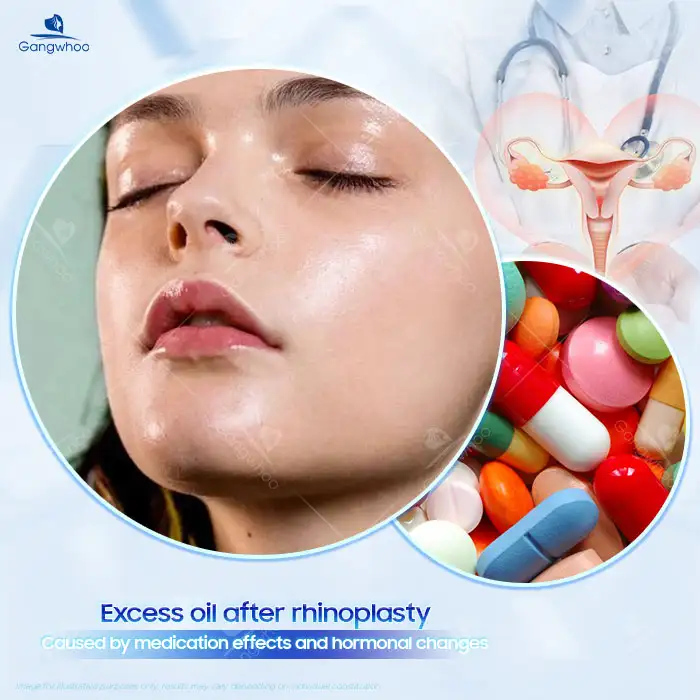
  • Effects of medication and hormonal changes: In the early days after rhinoplasty, patients are often prescribed antibiotics, pain relievers, and anti-inflammatory drugs. Some medications may affect hormonal balance, stimulating increased activity of the sebaceous glands.
  • Pre-existing oily skin type: If you already had oily skin before surgery, this condition may become more pronounced afterward because the skin is in a sensitive phase and has not yet regained its natural moisture balance.
  • Improper skincare: Using pore-clogging cosmetics, not cleansing properly, or washing the face too frequently can all cause the skin to produce more oil to compensate for lost moisture.

This condition usually lasts only about 2–4 weeks after surgery. Once the skin stabilizes and the nose fully recovers, sebaceous gland activity will gradually return to normal and will not affect the aesthetic outcome.

How to manage excessive oiliness after rhinoplasty

To control excessive oil secretion after rhinoplasty, you should follow your doctor’s postoperative care instructions, while also adjusting your lifestyle and skincare routine appropriately:
Lưu nháp tự động

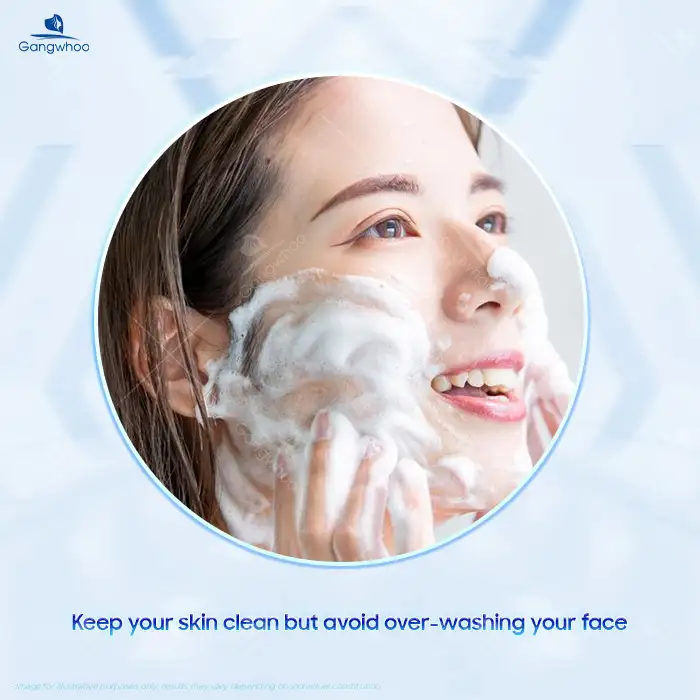
  • Keep the skin clean without over-washing: Wash your face only twice a day using saline solution or a gentle facial cleanser. Washing too frequently can strip moisture from the skin, causing the sebaceous glands to produce even more oil.
  • Avoid touching or squeezing pimples around the nose: This area is very sensitive after surgery; touching it may cause infection and interfere with the healing process.
  • Stay hydrated and maintain a healthy diet: Drink enough water, limit greasy and spicy foods, and increase your intake of green vegetables to help balance oil production.
  • Use specialized oil-absorbing blotting papers: If the nasal area becomes excessively oily, you may gently blot with oil-absorbing paper, avoiding harsh rubbing that could injure the surgical site.

Lưu nháp tự động

  • Attend follow-up appointments as scheduled: The doctor will monitor your recovery progress. If oil secretion appears unusually excessive, you may be prescribed medication or safe products to help regulate sebum production.

Advice from the doctor:

If excessive oiliness persists and is accompanied by abnormal signs such as swelling, redness, itching, or inflamed acne around the nose, you should seek direct examination at a reputable cosmetic facility.

If you are experiencing excessive oiliness after rhinoplasty, do not worry—this is a manageable condition. You can visit Gangwhoo Cosmetic Hospital for a direct examination and receive proper care guidance from a specialist to help your skin recover and maintain a naturally beautiful nasal shape over the long term.


TS Bác Sĩ Trương Hoàng Minh

Doctor of Philosophy - Physician

PhD, MD. Truong Hoang Minh

1. Introduction to PhD, MD. Truong Hoang Minh PhD, MD. Truong Hoang Minh is one of Vietnam’s leading experts in...
Ths Bác Sĩ Phạm Thị Lương

Master's Degree - Doctor

MSc., MD. Pham Thi Luong

1. Introduction to MSc., MD. Pham Thi Luong MSc., MD. Pham Thi Luong, Head of the Department of Anesthesiology and...
Bác Sĩ Thái Như Ngọc

Specialist Doctor Level I

Dr. Thai Nhu Ngoc

1. Introduction to Dr. Thai Nhu Ngoc Dr. Thai Nhu Ngoc is a dermatologist and specialist in non-surgical aesthetic medicine,...
Bác Sĩ Vi Văn Cường

Specialist Doctor Level I

Dr. Vi Van Cuong

1. Introduction to Dr. Vi Van Cuong – Specialist in Abdominal, Breast & Gluteal Body Contouring With outstanding skills, extensive...
Bác Sĩ Dương Văn Thọ

Specialist Doctor Level I

Dr. Duong Van Tho

1. Dr. Duong Van Tho, Specialist Level I – Head of Aesthetic Plastic Surgery Department 1.1. General Introduction Dr. Duong...
Bác Sĩ Nguyễn Tấn Phong

Docter

Dr. Nguyen Tan Phong

1. Dr. Nguyen Tan Phong – Anesthesiology & Critical Care Specialist Dr. Nguyen Tan Phong is a highly experienced specialist...
Bác sĩ Phạm Thế Tuyền

Specialist Doctor Level I

Dr. Pham The Tuyen

1. Dr. Pham The Tuyen, Specialist Level I – Anesthesiology & Critical Care Physician Dr. Pham The Tuyen, Specialist Level...
Bác Sĩ Nguyễn Anh Tuấn

Doctor

Dr. Nguyen Anh Tuan

1. Dr. Nguyen Anh Tuan – Rhinoplasty Plastic Surgeon 1.1. Professional Qualifications Dr. Nguyen Anh Tuan is a plastic and...
Bác Sĩ Nguyễn Thị Thanh Vi

Doctor

Dr. Nguyen Thi Thanh Vi

1. Dr. Nguyen Thi Thanh Vi – Eye and Intimate Area Aesthetic Specialist 1.1. Professional Qualifications Dr. Nguyen Thi Thanh...
Bác Sĩ Đặng Thị Niệm

Master's Degree - Doctor

Dr. Dang Thi Niem

1. MSc., MD. Dang Thi Niem – Head of Emergency & Internal Medicine Department 1.1. Professional Qualifications Master of Science...
Bác Sĩ Dư Phương Thụy Vy

Specialist Doctor Level I

Dr. Du Phuong Thuy Vy

1. Dr. Du Phuong Thuy Vy – Eye Aesthetic and Intimate Area Plastic Surgery Specialist 1.1. Professional Qualifications Specialist Level...
Ths Bác Sĩ Huỳnh Văn Trung Hiếu

Master's Degree - Doctor

Dr. Huynh Van Trung Hieu

1. MSc., MD. Huynh Van Trung Hieu – Head of Laboratory Department at Gangwhoo Aesthetic Hospital 1.1. Professional Qualifications Master...
Bác Sĩ Nguyễn Phi Phú

Specialist Doctor Level I

Dr. Nguyen Phi Phu

1. Dr. Nguyen Phi Phu – Rhinoplasty Specialist at Gangwhoo Aesthetic Hospital 1.1. Professional Qualifications Specialist Level I Physician, with...
Bác sĩ Phú Quốc An

Specialist Doctor Level I

Dr. Phu Quoc An

1. Dr. Phu Quoc An – Male Aesthetic Plastic Surgery Specialist at Gangwhoo Aesthetic Hospital 1.1. Professional Qualifications Specialist Level...
Bác Sĩ Phùng Mạnh Cường

Specialist Doctor Level 1

Dr. Phung Manh Cuong

1. Introduction to Dr. Phung Manh Cuong Dr. Phung Manh Cuong is a leading expert in plastic and aesthetic surgery...
Bác Sĩ Trần Kim Thạch

Specialist Level I Doctor

Dr. Tran Kim Thach

Dr. Trần Kim Thạch is an aesthetic specialist physician at Gangwhoo Aesthetic Hospital. He has actively participated in numerous advanced...
Bác Sĩ Lê Ngọc Tuấn Anh

Doctor

Dr Le Ngoc Tuan Anh

Dr. Lê Ngọc Tuấn Anh is a dedicated and highly respected expert in aesthetic medicine, known for his professional integrity,...

Leave a Reply

Your email address will not be published. Required fields are marked *