Is nasal twitching after rhinoplasty a complication? What are the causes?
Bao Vy
Rhinoplasty
Asked: 30/01/2026
I had my rhinoplasty almost 3 months ago, but occasionally I feel a slight twitching in my nose, like muscle contractions around the nasal bridge. I’m not sure whether this condition is a complication after rhinoplasty or just a normal bodily reaction. I’m a bit worried, so I hope the doctor can explain it to me.
Hello,after rhinoplasty, some people may experience mild twitching in the nasal area, especially during the early recovery stage. This situation makes many clients worry about whether it is a complication. The doctor will help you clearly understand the causes of nasal twitching after rhinoplasty, its level of risk, and proper care methods to avoid postoperative risks.
Is nasal twitching after rhinoplasty a complication?
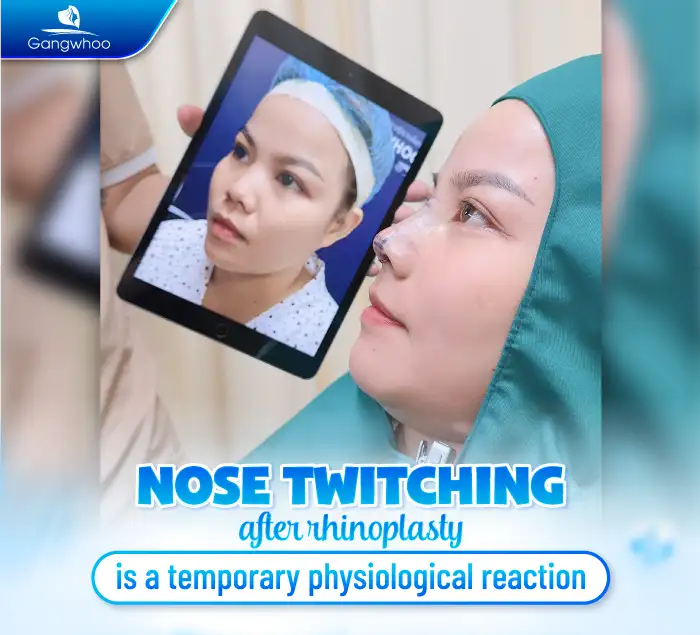
From a professional perspective, nasal twitching after rhinoplastyis not always a complication. In most cases, this phenomenon is merely a temporary physiological response of the body after surgical intervention. When the surgeon inserts cartilage or implant material into the nasal area, the nerve endings around the nose may be mildly stimulated, leading to muscle twitching or irregular movement sensations. This usually appears within the first few days to weeks and gradually subsides as tissues and nerves stabilize.
Nasal twitching after rhinoplasty is a temporary physiological reaction and usually not a cause for concern
However, if nasal twitching after rhinoplasty persists for more than 2–3 weeks and is accompanied by abnormal signs such as pain, redness, nasal bridge deformity, or tip deviation, it may be a sign of complications. Possible causes include:
Excessive reaction of nasal muscles or soft tissues to implant materials.
Inflammation or infection of subcutaneous tissues after surgery.
Doctors recommend not relying solely on subjective sensations. A direct examination at a reputable aesthetic facility such as Gangwhoo Cosmetic Hospital will help accurately determine the cause and provide timely treatment to prevent worsening complications.
Causes of nasal twitching after rhinoplasty
Nasal twitching after rhinoplasty may result from various factors, including normal physiological responses or abnormal conditions requiring medical intervention. Common causes include:
Nasal nerve irritation:
Nasal nerve irritation can be one of the causes of nasal twitching
After surgery, the nasal area is affected by surgical instruments and sutures. Small nerves may be temporarily stimulated, causing mild twitching similar to muscle reflexes.
Overactivity of nasal muscles:
Some individuals have strong facial expressions or frequently smile and talk during recovery. Continuous activity of nasal muscles may cause twitching or slight movement sensations.
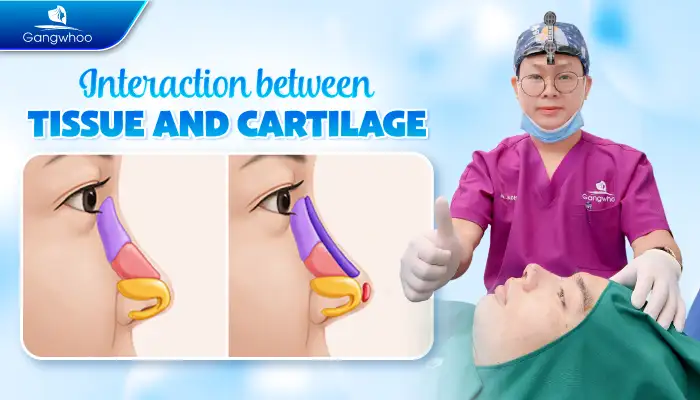
Interaction between tissue and cartilage:
Interaction between tissue and cartilage may also cause nasal twitching after surgery
If implant materials (such as synthetic or autologous cartilage) have not fully adapted to nasal tissues, the body may respond mildly to adjust—this is a natural immune response.
Postoperative complications:
In some cases, nasal twitching after rhinoplasty may indicate improperly positioned cartilage, nerve compression, or soft tissue inflammation. These cases require specialist examination and diagnostic imaging (such as CT scans or soft-tissue ultrasound) to determine the exact cause.
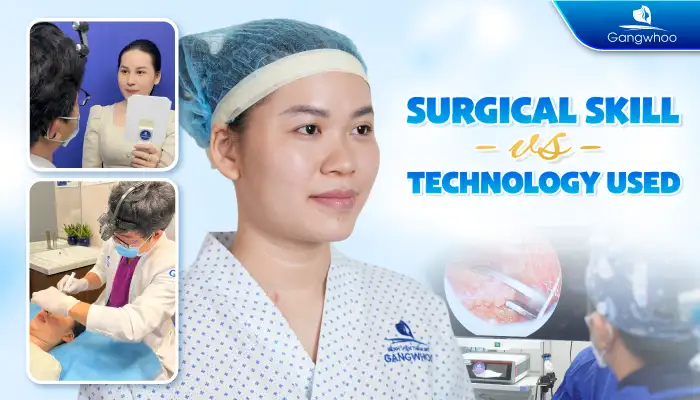
Surgical skill and technology used:
Surgical expertise and technology are also contributing factors to nasal twitching
In practice, the incidence of nasal twitching is significantly lower when surgery is performed using advanced microsurgical techniques, highly biocompatible cartilage, and standardized medical protocols. This is why many clients choose Gangwhoo Cosmetic Hospital, which applies advanced rhinoplasty technologies to minimize nerve damage and ensure long-term nasal stability.
Proper post-rhinoplasty care to prevent complications
To prevent complications and reduce nasal twitching after rhinoplasty, it is essential to strictly follow postoperative care instructions. Important notes include:
Keep the nasal area stable and avoid impact:
Do not touch, massage, or apply pressure to the nose for at least the first 2 weeks. When sleeping, lie on your back and avoid side sleeping to prevent nasal deviation.
Take medication and attend follow-up visits as scheduled:
Taking medication and attending follow-up appointments on schedule helps manage nasal twitching
Doctors usually prescribe antibiotics, anti-inflammatory drugs, and mild nerve-supporting supplements to stabilize muscle–nerve activity around the nose. Take medications as directed and attend follow-up visits for recovery monitoring.
Limit strong facial expressions:
During the first 2–3 weeks, avoid excessive smiling, opening the mouth too wide, or frequently wrinkling the nose to allow nasal muscles to relax.
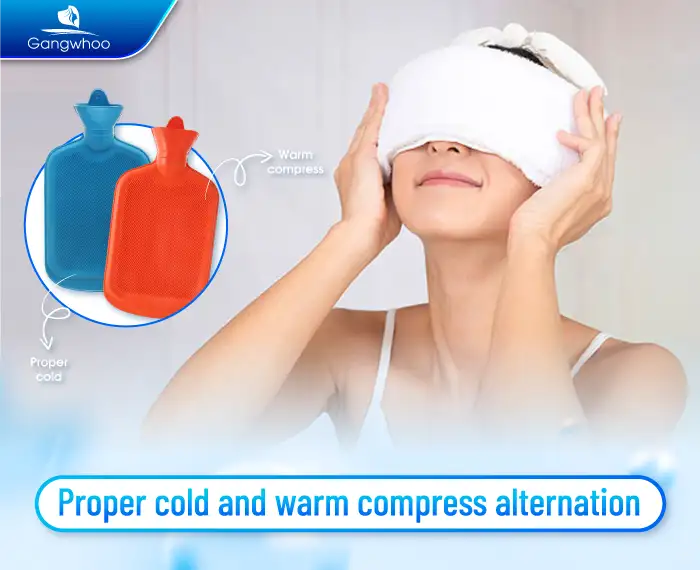
Apply cold and warm compresses appropriately:
Cold and warm compresses help reduce complications such as nasal twitching
Apply cold compresses during the first 1–2 days to reduce swelling, then switch to gentle warm compresses to improve circulation and reduce numbness or twitching.
Maintain a proper diet:
Consume foods rich in vitamins C and E to support tissue healing and reduce inflammation. Avoid foods that may cause hypertrophic scarring such as beef, seafood, and water spinach during the first month.
If you continue to experience nasal twitching after rhinoplasty or abnormal sensations such as numbness, pain, swelling, or nasal tip deformation, visit Gangwhoo Cosmetic Hospital immediately for specialist examination and timely treatment. At Gangwhoo, procedures such as structural rhinoplasty, rib cartilage rhinoplasty, and revision rhinoplasty are performed using advanced technologies to minimize nerve damage and ensure a stable, natural, and safe nasal outcome.
Hello Doctor, I am considering rhinoplasty to improve the shape of my nose because my nose is quite low and the tip is slightly wide, making my overall facial features look less harmonious. However, after researching, I found that there are many cosmetic hospitals and spas advertising rhinoplasty services, so I am quite confused about […]
I’ve heard that nowadays there are Nano breast implants without identification chips, which are different from implants with embedded chips. Doctor, could you explain exactly what Nano implants without chips are, what their advantages and disadvantages are, and whether I should choose this type? I’m a bit concerned about having a “chip” inside my body, […]
Doctor, after my rhinoplasty, I noticed that the tip of my nose feels a bit hard compared to normal, and it feels quite uncomfortable. I don’t know what causes this or whether it is a normal condition or an abnormal sign that requires a medical check-up. If this is a normal condition, what should I […]
I am interested in endoscopic breast augmentation because I’ve heard it is gentler than traditional methods. However, I am still a bit afraid of pain and concerned about risks after surgery. Doctor, could you tell me whether endoscopic breast augmentation is painful, what the procedure involves, and what should be noted after surgery to recover […]
Hello Doctor, I just underwent a rhinoplasty and am very concerned about post-operative care. Could you please advise me on the correct and scientific way to care for my nose after surgery so that it recovers quickly, reduces swelling and pain, and avoids complications? Additionally, I would like to know any important precautions during the […]
I am learning about nasal surgery and have seen many people share that rhinoplasty not only enhances beauty but also helps the face look more refined and boosts confidence. So, doctor, could you please share the practical benefits of rhinoplasty, and whether it is worth considering if my nose is slightly low but still balanced?