Hello, I understand that after rhinoplasty, pain or swelling is something most people worry about. Pain control not only helps you feel more comfortable but also plays an important role in helping the wound heal faster, minimizing complications, and achieving the best aesthetic results. Below, I will share detailed and safe pain relief methods in rhinoplasty to help you recover more comfortably after surgery.
Follow the doctor’s prescribed medication
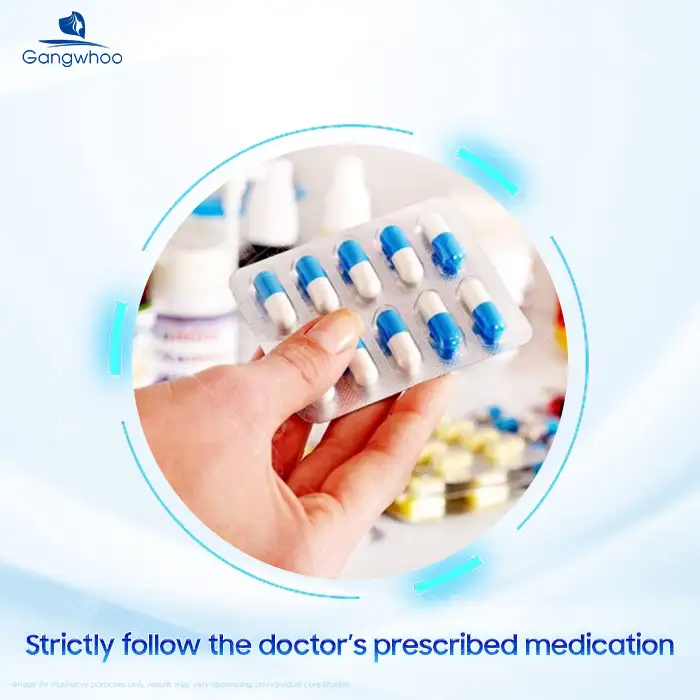
This is the most important and mandatory pain relief method after rhinoplasty. After surgery, the doctor will prescribe appropriate pain relievers, anti-inflammatory drugs, and antibiotics based on each person’s condition. Taking the medication at the right dosage and time helps control pain, reduce swelling, and prevent infections — factors that can affect rhinoplasty results.
Some people tend to buy additional pain medication or stop taking prescribed medication early when they feel better, but this can backfire, causing prolonged pain or increasing the risk of inflammation. Therefore, you must strictly follow the specialist’s instructions. At Gangwhoo Cosmetic Hospital, after rhinoplasty, clients receive a personalized prescription depending on their body condition, the type of cartilage used (such as Surgiform, Nanoform), and the surgical technique (such as 4K endoscopic micro-rhinoplasty). This ensures effective pain control while maintaining maximum safety.
Cold compress after the first postoperative day
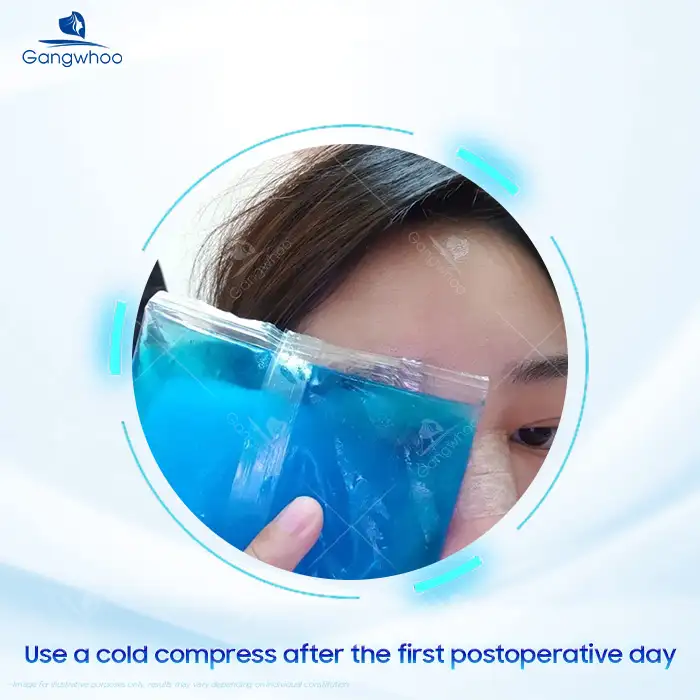
Within the first 24–48 hours after surgery, proper cold compressing is extremely effective for reducing pain and swelling. Cold temperature helps constrict blood vessels, limit bruising, and reduce discomfort in the nose and facial area. However, do not apply the compress directly on the newly operated nose; instead, wrap the cold pack in a soft towel and place it on the cheeks or forehead—avoiding the nasal bridge.
After two days, you may switch to warm compressing to stimulate blood circulation and help soft tissues recover faster. This is one of the pain-relief methods recommended by Gangwhoo doctors to optimize natural healing alongside prescribed medication.
Proper nasal hygiene
Keeping the wound clean is crucial for reducing pain and preventing infection after rhinoplasty. When the nose is dirty or fluid accumulates, bacteria can enter easily, causing swelling and persistent dull pain. You should use soft gauze soaked in saline to gently clean the nose, avoiding touching stitches or picking scabs.
If the nose produces discharge or the wound becomes red and more painful than usual, inform your doctor immediately for timely treatment. Maintaining a clean and dry nose helps reduce pain effectively and stabilizes the nasal structure faster after surgery.
Elevating your head while sleeping
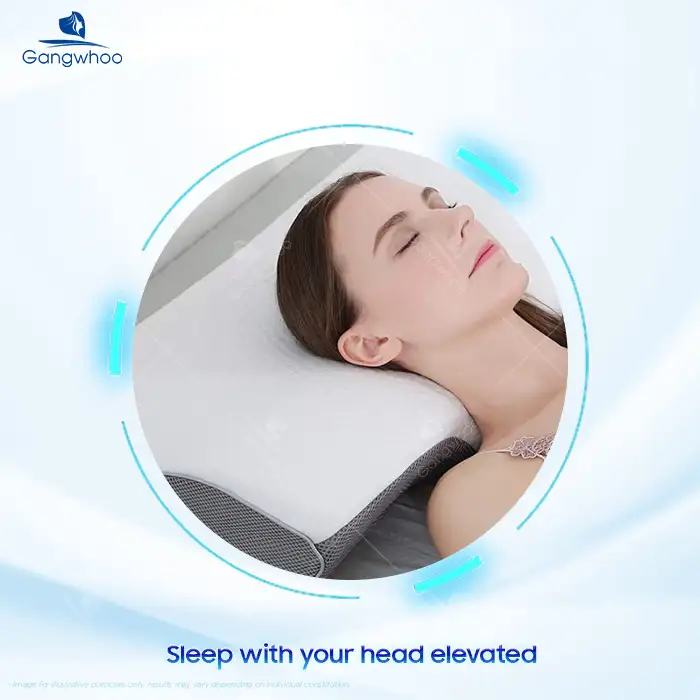
This may sound simple, but sleeping posture is one of the pain relief methods many people overlook. After rhinoplasty, you should lie on your back with your head elevated about 30 degrees using one or two pillows. This posture reduces blood flow to the facial area, decreases swelling, and consequently reduces pressure and discomfort on the nose.
Avoid sleeping on your side, lying face-down, or placing hard objects near your nose during the first 1–2 weeks. If you have difficulty controlling your sleeping posture, you can use a U-shaped pillow for better head support.
Nutrient-rich diet
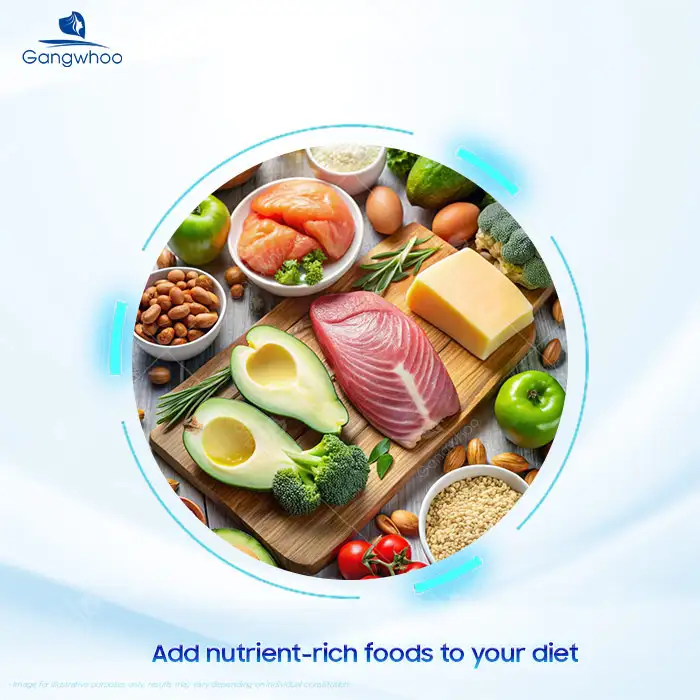
A proper diet is also a natural and safe way to reduce pain after rhinoplasty. When your body receives enough vitamins, minerals, and protein, the tissue regeneration and wound healing process becomes faster, reducing pain and swelling.
You should prioritize foods such as lean meat, salmon, eggs, green vegetables, and fruits rich in vitamin C (oranges, grapefruit, kiwi), and drink enough water daily. At the same time, avoid spicy food, alcohol, coffee, and foods that may cause inflammation, such as chicken, sticky rice, or seafood.
Pain relief after rhinoplasty must be done correctly and monitored closely by your doctor to ensure safety and long-lasting aesthetic results. If you are looking for a reputable, safe, and low-pain rhinoplasty facility, Gangwhoo Cosmetic Hospital is a reliable choice. With advanced 4K endoscopic micro-rhinoplasty techniques and premium implant materials such as Surgiform and Nanoform, Gangwhoo delivers natural, harmonious, and fast-healing nasal shapes without complications.
If you need more detailed consultation about pain relief after rhinoplasty or postoperative care solutions, feel free to contact Gangwhoo Cosmetic Hospital for the safest and most specific guidance.


