Hello, after rhinoplasty, in addition to following proper rest and nutrition, correct massage also plays an important role in helping the nose stabilize more quickly and achieve a more natural shape. Many patients research how to massage the nose after rhinoplasty but perform the technique incorrectly, which can lead to nasal deviation or affect cosmetic outcomes. I will guide you step by step and explain the important points to keep in mind.
Guidelines for proper nose massage after rhinoplasty
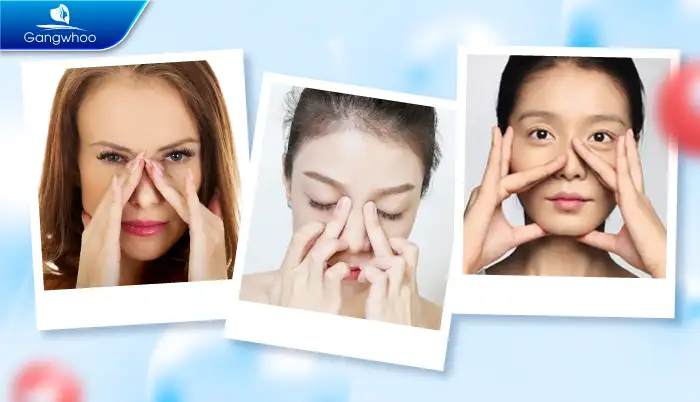
Post-rhinoplasty massage is usually applied when the nasal shape enters a stable recovery phase. It helps soft tissues adapt to the implanted cartilage, reduces swelling, and supports nasal bridge shaping. You can follow these standard medical steps:
Step 1: Wait for the initial recovery period (1–2 weeks)
In the early period after surgery, the nose is still swollen and the soft tissues are not yet stable. Therefore, you should absolutely not massage on your own immediately; you must wait until the doctor examines you and gives permission. Typically, after 7–14 days, when the wound is dry and the cartilage begins to fixate, the doctor will instruct you on an appropriate post-rhinoplasty massage technique.

Step 2: Gently massage around the nasal area
Use clean fingers to gently apply pressure along both sides of the nasal bridge, starting from the nasal root and moving downward. Each session lasts about 1–2 minutes, repeated regularly 2–3 times per day. The purpose is to improve blood circulation and soften the tissues surrounding the cartilage.
Step 3: Gently massage the nasal tip and nasal bridge
Use the index finger and thumb on the nasal tip, gently massaging in small circular motions. For the nasal bridge, you can use two fingers to gently press from both sides to help keep the implanted cartilage straight and prevent deviation.
Step 4: Massage upward and outward
This maneuver helps support a higher and more streamlined nasal shape. Place your thumb under the nasal tip, gently pushing upward and slightly outward. Repeat 5–10 times, holding each movement for about 3–5 seconds.
By understanding and applying proper medical-standard nose massage techniques after rhinoplasty, you can not only reduce swelling but also enhance the softness of the nasal shape and limit the risk of deviation after surgery.
Important notes when massaging after rhinoplasty
Not everyone can apply the same massage steps, as this depends on the nasal condition, the type of cartilage used, and the surgical technique. Please keep the following in mind:
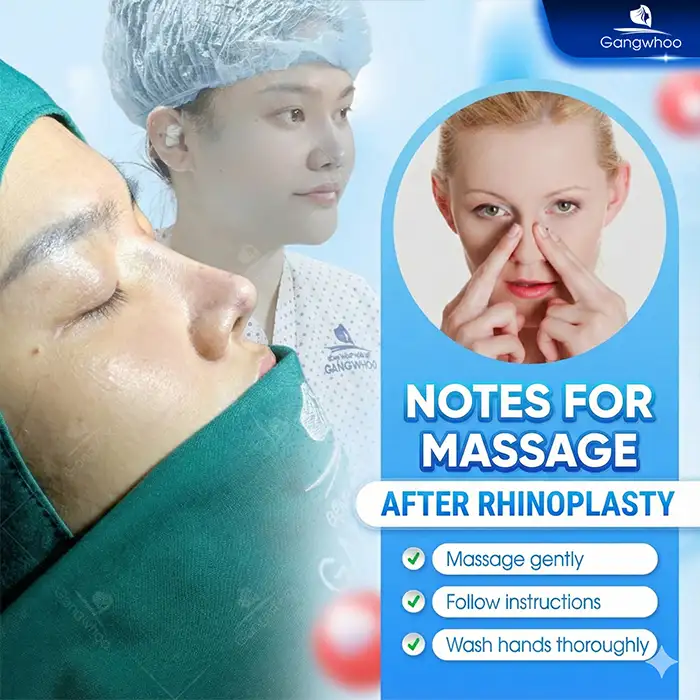
- Do not massage too forcefully: Excessive pressure can cause hematoma, fluid leakage, or displacement of the implant. Massage should be gentle—enough to affect soft tissue without causing pain.
- Follow your doctor’s instructions: Each rhinoplasty case is unique, so massage should only be performed when advised and specifically guided by the treating doctor.
- Avoid touching wounds or sutures: Before complete healing, direct contact with the wound can cause infection or suture disruption.
- Ensure proper hand hygiene before massage: Wash your hands with antibacterial soap or disinfectant solution to prevent introducing bacteria to the nasal area.
- Do not apply unverified online tips: Some incorrect guidance can cause nasal deformity or even harm soft tissue health.
In summary, post-rhinoplasty massage is an important supportive step, but it must be performed correctly and under the direction of a specialist.
In conclusion, performing nose massage after rhinoplasty properly and safely helps the nasal shape stabilize faster, become naturally softer, and reduce the risk of bridge deviation. If you are unsure about the technique or notice any abnormal signs, please visit a reputable facility for examination as soon as possible.
At Gangwhoo Cosmetic Hospital, the team of doctors will directly examine you, guide you on proper massage techniques, and accompany you throughout the recovery process, ensuring safety and long-lasting aesthetic results.


