Hello, the doctor understands that after rhinoplasty, the body can exhibit various responses during the recovery period. One of the symptoms that concerns many patients is a runny nose after rhinoplasty. This is a common issue but is not always dangerous. Below is a detailed explanation to help you understand it correctly and know how to manage it.
What Causes a Runny Nose After Rhinoplasty?
A runny nose after rhinoplasty is mainly related to changes in nasal structure and the physiological response of the nasal mucosa following surgery. There are three main causes:
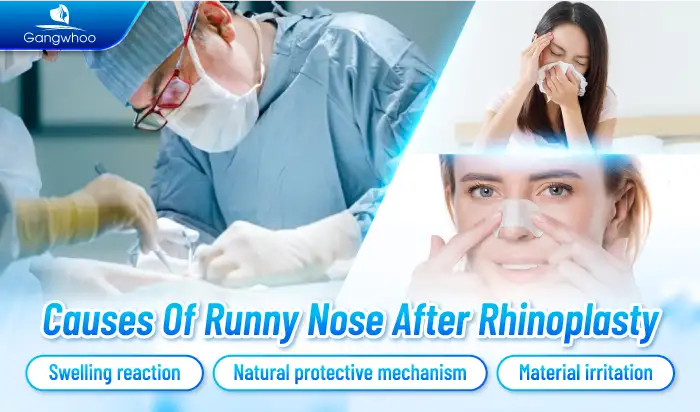
- Edema and mucosal irritation: After surgery, nasal tissues become swollen, and the nasal mucosa becomes more sensitive and prone to increased secretion. This is a completely normal physiological response, usually occurring within the first 1–2 weeks.
- Increased secretion due to the body’s natural defense mechanism: The nasal mucosa acts as a “filter system.” When surgical intervention occurs, the body increases nasal secretions to flush out dirt and bacteria, reducing the risk of infection.
- Irritation from implant materials or structural changes: When alloplastic cartilage or autologous cartilage is inserted into the nose, the body needs time to adapt. During the initial period, nasal discharge may be more noticeable than usual.
Thus, most cases of a runny nose after rhinoplasty are related to the natural healing process and physiological responses of the body, and are not necessarily early signs of complications.
Is a Runny Nose After Rhinoplasty a Dangerous Complication?
In most cases, a runny nose after rhinoplasty is only a physiological reaction and will gradually improve over time. However, you should be alert if you experience the following signs, as they may indicate a complication:

- Nasal discharge accompanied by yellow pus with a foul odor.
- Nasal discharge mixed with blood or thick green discharge that persists for several weeks without improvement.
- A runny nose accompanied by pain, fever, or abnormal redness and swelling around the nose.
- Persistent shortness of breath or nasal congestion that does not improve despite taking prescribed medication.
In such cases, the nose may be experiencing an infection, an allergic reaction to implant materials, or airway-related complications. You should not ignore these signs and should return for a follow-up visit promptly for appropriate treatment.
How to Manage a Runny Nose After Rhinoplasty
If the condition is mild, doctors usually recommend the following measures:

- Keep the nasal area clean: Rinse the nose with normal saline solution to remove debris and reduce mucosal irritation.
- Take medication as prescribed: Use antibiotics, anti-inflammatory drugs, or anti-edema medications exactly as directed; do not self-medicate.
- Avoid strong impact to the nose: Do not forcefully blow your nose, pick your nose, or allow any trauma to the surgical area.
- Improve nutrition and drink enough water: This helps the body recover faster and boosts immune resistance.
If a runny nose after rhinoplasty is accompanied by abnormal signs as described above, you should visit a reputable cosmetic facility or the hospital where the procedure was performed for a direct examination.
Warning Signs of Complications After Rhinoplasty You Should Know
In addition to a runny nose after rhinoplasty, there are other symptoms you should be cautious about, as they may indicate complications:
- Severe nasal pain and swelling that does not subside over time.
- Nasal deviation or bending to one side after splint removal.
- A shiny, reddened nasal tip, implant exposure, or signs of thinning, overstretched skin.
- Heavy bleeding accompanied by continuous purulent discharge.
If you experience any of these signs, you should go to the hospital or see your surgeon immediately for examination and timely intervention to avoid more serious complications.
In summary, a runny nose after rhinoplasty or nasal discharge following rhinoplasty may simply be a normal bodily response, but it can also be a warning sign of complications if accompanied by abnormal symptoms. To ensure safety, you should choose a reputable cosmetic facility and attend follow-up visits as scheduled by your doctor.
If you need further consultation or examination for abnormal nasal symptoms, you can visit Gangwhoo Cosmetic Hospital, where a team of highly specialized rhinoplasty doctors will ensure accurate diagnosis and proper management of all postoperative situations.


