Hello, after undergoing rhinoplasty surgery, choosing an appropriate diet plays a very important role in the recovery process. Many people wonder, “Should you eat peanuts after rhinoplasty?” because they worry that this food might affect the wound or cause irritation. The doctor will help you clearly understand this issue from a medical perspective, so you know whether to avoid it or how to consume it properly.
Should you eat peanuts after rhinoplasty?
After rhinoplasty, you should limit eating peanuts for at least the first 2–3 weeks. The reason is that peanuts contain a high amount of fat, have a warming property, and can easily cause allergic reactions in some people, especially when the body is in the postoperative recovery phase.
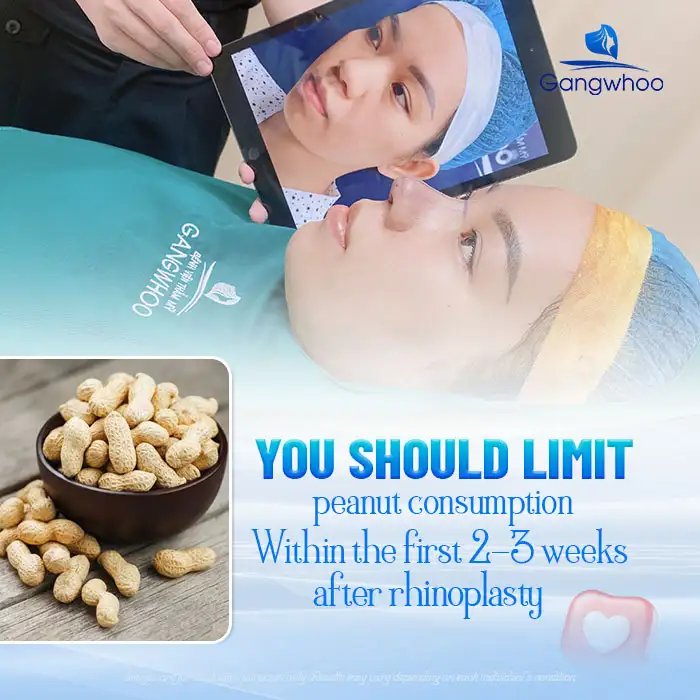
From a medical standpoint, peanuts contain high levels of plant protein and natural oils, which can stimulate sebaceous gland activity, thereby increasing the risk of inflammatory acne around the nasal area or the incision site. In addition, for people with sensitive constitutions, eating peanuts too soon after rhinoplasty may easily cause inflammatory reactions or itching sensations at the nose. This not only causes discomfort but can also affect the stabilization of the nasal shape.
However, after the wound has completely healed and the nasal shape has stabilized, peanuts can be reintroduced because they contain many beneficial nutrients such as vitamin E, magnesium, and healthy fatty acids that help nourish the skin and support tissue regeneration.
In summary, regarding whether you should eat peanuts after rhinoplasty, the answer is that you should avoid them during the early recovery period, but you may resume eating them once the nose has fully healed.
How long after rhinoplasty can you eat peanuts?
Typically, about 3–4 weeks after rhinoplasty, when the incision has closed, the soft tissues have gradually stabilized, and there are no longer signs of swelling or redness, you may start eating peanuts again in moderation. However, this timing also depends on each individual’s constitution and healing speed.
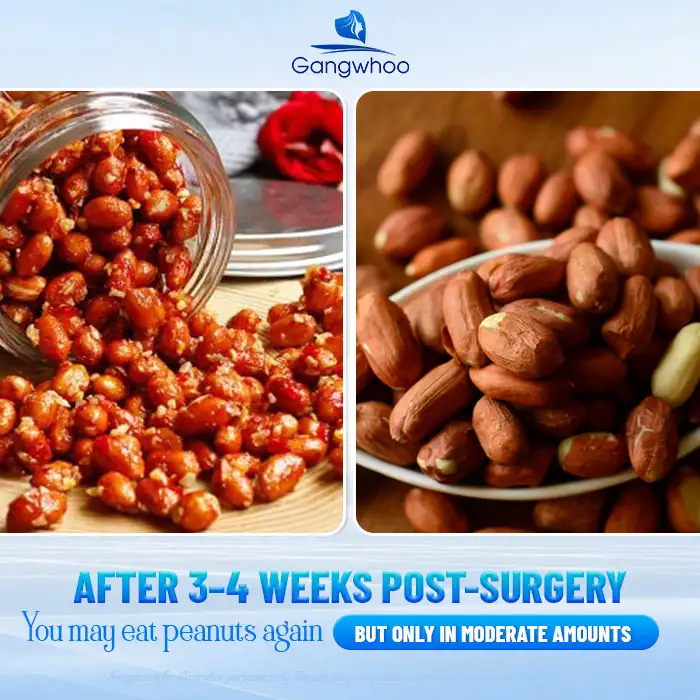
For cases of structural rhinoplasty or deep surgical intervention, the recovery period may be longer. Doctors often recommend waiting at least 1–1.5 months before reintroducing foods that are more likely to cause allergies, such as peanuts, seafood, or beef.
To ensure safety, you should attend follow-up appointments as scheduled and consult directly with your surgeon before changing your diet. If the nose is still swollen or shows mild signs of inflammation, consuming high-fat foods like peanuts may prolong tissue healing.
Foods to supplement after rhinoplasty
In addition to avoiding foods that may cause irritation such as peanuts, beef, seafood, and eggs, you should focus on supplementing food groups that help accelerate wound healing and reduce swelling:
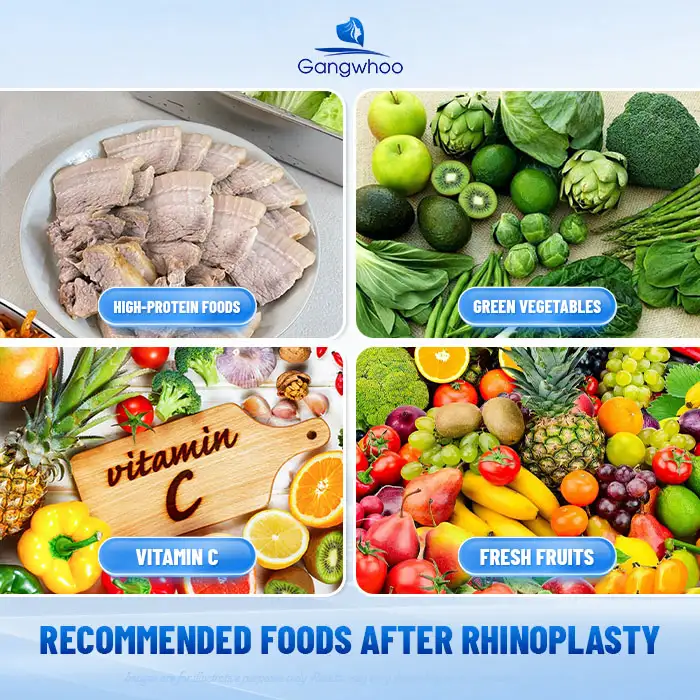
- Foods rich in vitamin C: found in oranges, grapefruits, and strawberries, which help boost immunity and promote collagen production—an important factor for faster healing of the skin and soft tissues.
- Foods rich in healthy protein: such as lean pork, salmon, soybeans, and eggs (after 2 weeks), which help effectively regenerate damaged tissues.
- Green vegetables and fresh fruits: rich in fiber, vitamins A and E, which help soothe the nasal skin and reduce the risk of dark scarring and infection.
- Adequate water intake: helps improve blood circulation and supports detoxification, making the skin smoother and the nose heal faster.
Maintaining a healthy diet after rhinoplasty not only helps the nose recover well but also helps maintain a beautiful and stable nasal shape over the long term.
If you have just undergone rhinoplasty or are in the recovery phase and are unsure about what to eat or avoid, you can visit Gangwhoo Cosmetic Hospital to receive direct examination and detailed guidance from the specialized rhinoplasty doctors. Gangwhoo is currently applying modern rhinoplasty technologies such as autologous cartilage structural techniques, Surgiform, and Nanoform, helping to create natural, durable nasal shapes while minimizing complications.
A scientific care regimen combined with medical-standard rhinoplasty technology at Gangwhoo will help you achieve a well-proportioned nasal shape that remains stable over time and ensures absolute safety.


