Signs of infection after rhinoplasty and effective treatment methods
Phuong Linh
Rhinoplasty
Asked: 29/01/2026
Doctor, may I ask: I’ve seen some people experience redness and swelling after rhinoplasty, with fluid discharge from the sutures, and I heard that this is an infection. I want to understand clearly to prevent it. So what are the signs of infection after rhinoplasty, and if it unfortunately occurs, what is the safest and most effective way to handle it?
Hello,rhinoplasty is a common minor surgical procedure; however, if it is performed at an unreliable facility or postoperative care is not done properly, infectious complications can still occur. Early recognition of the signs of infection after rhinoplasty and timely management are key factors in preventing serious consequences such as nasal skin necrosis or dorsal deviation. The doctor will help you identify the signs, understand the causes, and choose the safest management approach.
Signs of infection after rhinoplasty
Signs of infected rhinoplasty usually appear within 3–10 days after surgery, when the wound is in the tissue-healing phase. Typical manifestations include:
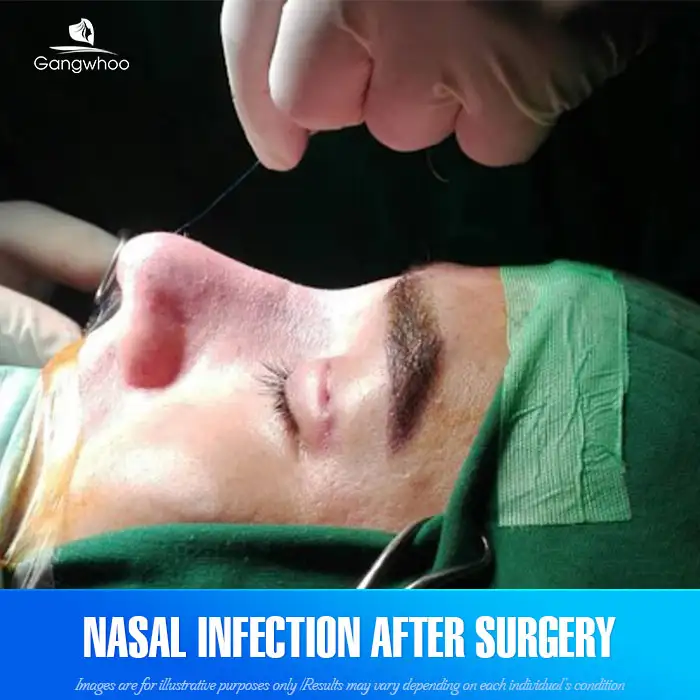
Signs indicating postoperative nasal infection
Persistent swelling, redness, and pain: Normally, mild swelling after rhinoplasty gradually subsides after 5–7 days. However, if the nose becomes increasingly swollen, intensely red, spreading to the cheeks or forehead, this is a sign of infection.
Discharge or pus: Yellow discharge, white pus, or a foul odor from the suture site indicates that bacteria have deeply invaded the tissue.
Low-grade fever or fatigue: This is a systemic response as the body fights infection.
Changes in nasal skin color: If the nasal tip turns purplish, darkened, or remains shiny red for a prolonged time, the skin tissue may be undergoing necrosis due to severe infection.
From a medical perspective, signs of infection after rhinoplasty can progress rapidly if not detected early. Therefore, close monitoring during the first week is essential, and you should visit the surgical facility or a reputable hospital immediately if any abnormal signs appear.
Causes of infection after rhinoplasty
The causes of infection may stem from various factors, but they are generally divided into three main groups:
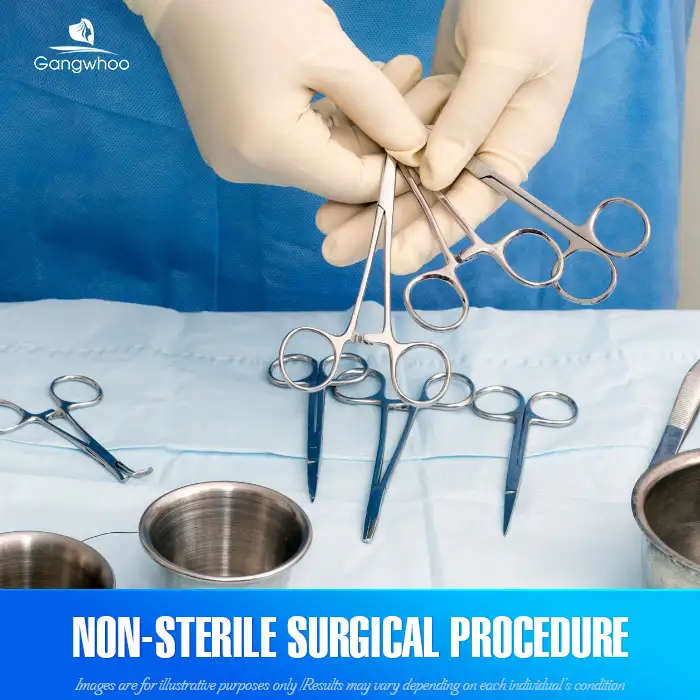
Non-sterile surgical procedures can easily cause postoperative nasal infection
Non-sterile surgical procedures: If the aesthetic facility does not meet operating room standards or instruments are not properly sterilized, bacteria can easily enter the surgical site and cause inflammation.
Improper postoperative care: Cleaning the wound with unclean hands, frequent touching of the nose, failure to change dressings as instructed, or not avoiding water exposure for the recommended time can all promote bacterial growth.
Individual physiology and weak immune system: Some individuals have oily skin, large pores, or a tendency toward inflammation and swelling; combined with poor nutrition, this increases the risk of infection.
At Gangwhoo Cosmetic Hospital, all rhinoplasty procedures are performed in sterile operating rooms that meet Ministry of Health standards, with strict infection control protocols. In addition, doctors provide thorough postoperative care instructions to minimize inflammation, swelling, and infection.
How to manage infected rhinoplasty
When there are signs of infected rhinoplasty, the first thing you should do is visit the surgical facility or a specialized hospital immediately for timely examination and treatment. Absolutely do not attempt to squeeze pus, apply medications, or take antibiotics on your own without medical instruction, as this may worsen inflammation or damage the nasal structure.
Medical management typically includes:
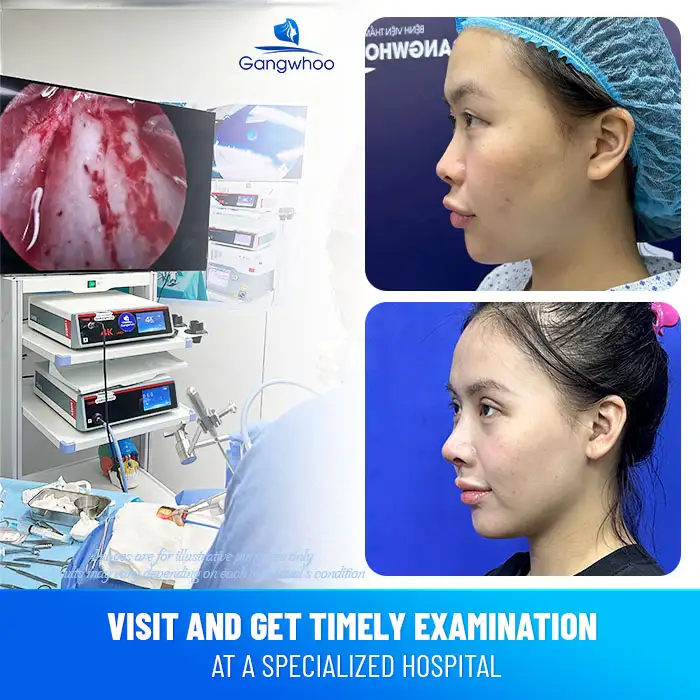
Timely examination and management at a specialized hospital
Antiseptic care and antibiotics: For mild infections, the doctor will clean the surgical site and prescribe oral or injectable antibiotics to control bacteria.
Temporary implant removal: In cases of severe implant infection or deep pus spread, the doctor may need to remove the artificial implant to thoroughly clean and treat the area before reoperation after 3–6 months.
Monitoring and home care: After treatment, you should clean the wound as instructed, maintain a healthy diet, and avoid pro-inflammatory foods such as spicy foods, seafood, alcohol, and beer.
Gangwhoo currently applies 4K endoscopic microsurgical rhinoplasty technology, enabling doctors to precisely visualize tissue and cartilage structures during the procedure, thereby reducing tissue trauma, minimizing infection risk, and shortening recovery time.
Infection after rhinoplasty is a rare but dangerous complication that can have long-term effects on aesthetic outcomes if not treated properly. Therefore, you should choose a reputable aesthetic facility with highly specialized doctors and medical-standard infrastructure.
If you are experiencing suspected infection or wish to have a follow-up examination, Gangwhoo Cosmetic Hospital has a team of plastic surgery specialists ready to provide safe and effective care—ensuring a naturally restored, stable, and long-lasting nasal outcome. “`
I am interested in endoscopic breast augmentation because I’ve heard it is gentler than traditional methods. However, I am still a bit afraid of pain and concerned about risks after surgery. Doctor, could you tell me whether endoscopic breast augmentation is painful, what the procedure involves, and what should be noted after surgery to recover […]
Hello Doctor, I just underwent a rhinoplasty and am very concerned about post-operative care. Could you please advise me on the correct and scientific way to care for my nose after surgery so that it recovers quickly, reduces swelling and pain, and avoids complications? Additionally, I would like to know any important precautions during the […]
I am learning about nasal surgery and have seen many people share that rhinoplasty not only enhances beauty but also helps the face look more refined and boosts confidence. So, doctor, could you please share the practical benefits of rhinoplasty, and whether it is worth considering if my nose is slightly low but still balanced?
Doctor, my mother is 50 years old this year. She feels very self-conscious because her nasal bridge is low and slightly wide. I would like to ask whether older adults should undergo rhinoplasty, whether the surgery affects health, and at this age, which method would be the safest?
I really enjoy spicy food, but I had rhinoplasty just one week ago. Many people say that spicy food should be completely avoided, but I’m not sure if that’s true. So is it harmful to eat spicy food after rhinoplasty, and if it is allowed, what level would be considered safe?
I’ve heard that the S-Line nose shape looks natural and soft, but some people experience complications after S-Line rhinoplasty such as deviation or redness and shininess. So in reality, what are the risks of this nose shape, and what should I pay attention to beforehand to avoid complications?